
5 DIY Entryway Storage Projects Under $50 for Budget-Conscious Apartment Renters
Discover five stylish, renter-friendly DIY entryway storage projects under $50. Transform your apartment foyer with these budget-conscious organization hacks.
Feb 1, 2026 - Written by: linda wise

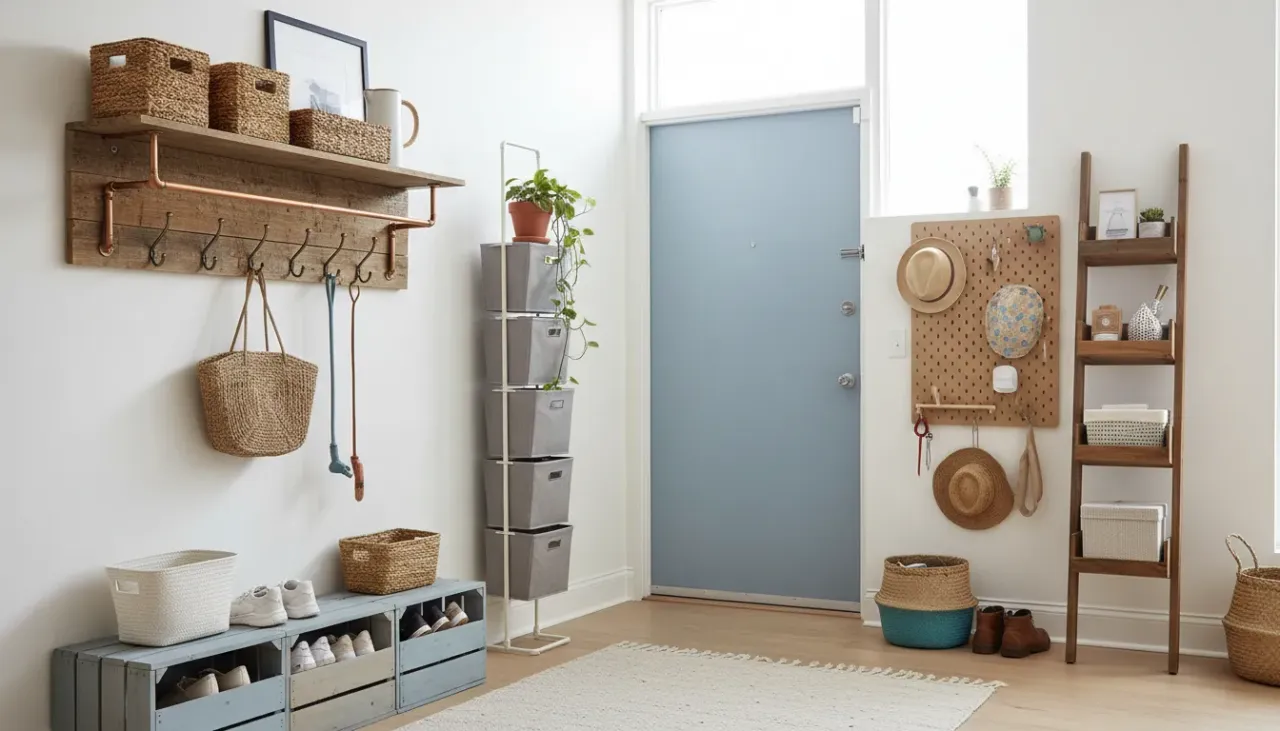
The entryway is the handshake of the home. It is the first space that greets you upon arrival and the last thing you see before departing into the world. For apartment renters, however, this critical transitional zone often presents a significant design challenge. Square footage is frequently limited, architectural quirks are common, and lease agreements strictly prohibit permanent alterations. When you add a tight budget to the equation, creating a functional and aesthetic “landing strip” can feel like an insurmountable task.
Yet, constraints often breed creativity. A limited budget does not necessitate a compromise on style or organization. With a bit of ingenuity and basic materials, you can construct sophisticated storage solutions that respect both your wallet and your security deposit. This guide explores five distinct do-it-yourself projects, each costing under $50, designed specifically for the renter who craves order without the permanence of built-ins.
The Psychology of the Entryway
Before diving into construction, it is essential to understand why this space matters. Clutter in the entryway creates immediate visual noise, which can spike cortisol levels the moment you walk through the door. A chaotic pile of shoes, a tangle of keys, and scattered mail prevent your home from being the sanctuary it should be.
By implementing maximizing vertical storage, you reclaim floor space and create a visual hierarchy that calms the mind. The following projects focus on verticality, multi-functionality, and damage-free installation methods, ensuring that your apartment remains pristine for the eventual move-out inspection.
1. The Modular Floating Crate System
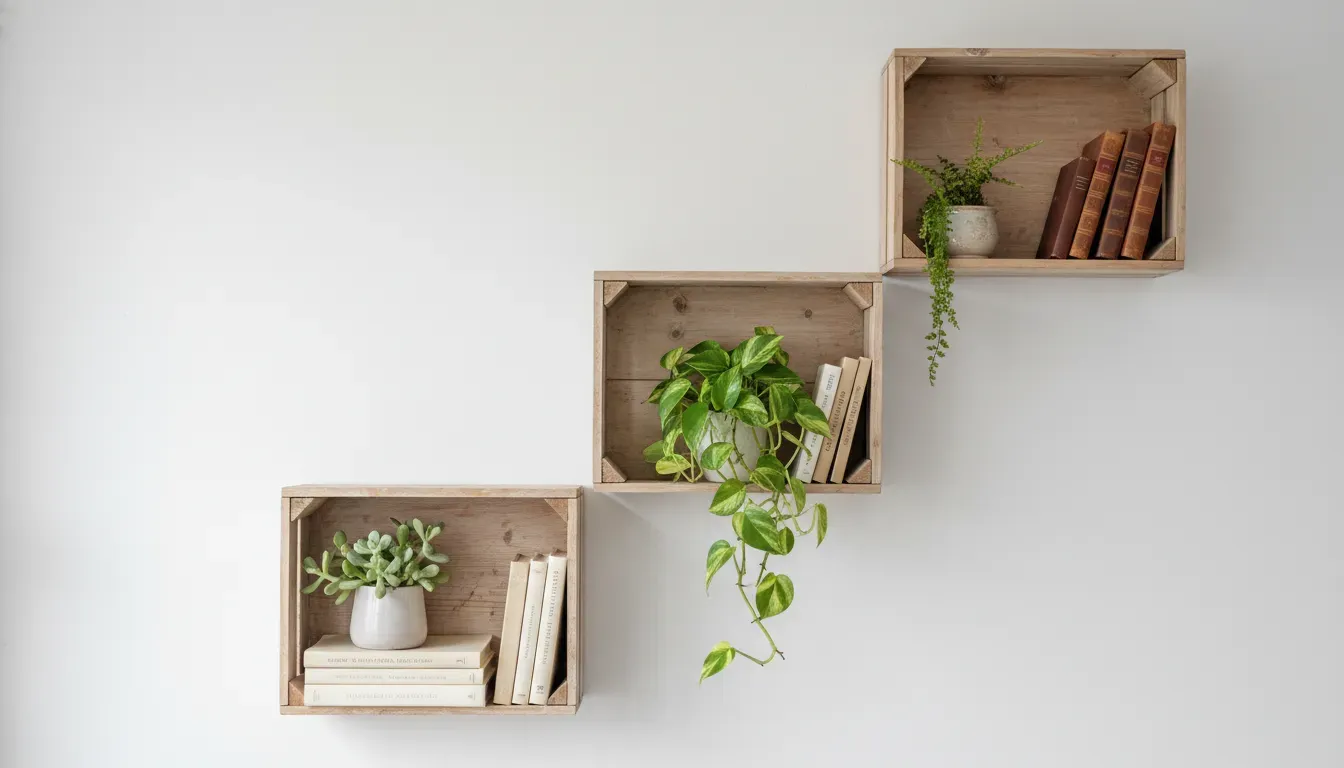
One of the most versatile and cost-effective materials available to DIY enthusiasts is the humble wooden crate. Often found at craft stores or hardware suppliers for under $15 each, these crates can be transformed into a sophisticated, modular shelving system that mimics high-end custom joinery.
Why It Works for Renters
This system is entirely modular. You can stack them, mount them individually, or arrange them in an asymmetrical pattern to create visual interest. Because they are lightweight, they can often be secured with heavy-duty adhesive strips or minimal drywall anchors, making patch work negligible when you move.
Materials Needed
- 3 Unfinished pine crates (approx. $10-$12 each)
- Sandpaper (medium and fine grit)
- Wood stain or acrylic paint (sample pots work well for small surface areas)
- Heavy-duty mounting strips or small L-brackets
The Process
Step 1: Surface Preparation Cheap crates often come with rough edges. Begin by sanding the wood thoroughly. Start with medium grit to remove splinters and finish with fine grit to ensure a smooth surface that will take stain evenly.
Step 2: Aesthetic Customization Apply a wood stain that complements your existing furniture. For a modern, Scandinavian look, a clear matte varnish on the raw wood creates a bright, airy feel. For a more industrial vibe, a dark walnut stain adds gravity. If you prefer a pop of color, paint the interior back panel of the crate while leaving the outside natural.
If you are looking for the perfect base for this project, you can find affordable options here: https://www.amazon.com/s?k=unfinished+wood+crates&tag=hats0f8-20
Step 3: Configuration and Installation Arrange the crates on the floor first to determine your layout. A stair-step pattern works well for storing items of different heights—boots in the bottom crate, bags in the middle, and decorative items or keys in the top crate. Secure them to the wall. If using L-brackets, place them inside the top corners of the crate where they will be hidden by the contents.
2. The Tension Rod Shoe Niche
Shoe storage is arguably the greatest plague of the narrow apartment hallway. Traditional racks are often bulky and occupy valuable floor space. If you have a recessed nook, a small closet, or even a deep doorframe that isn’t frequently used, tension rods are the secret weapon of the renter.
Why It Works for Renters
Tension rods require zero drilling. They rely on friction and spring tension to stay in place, meaning there are no holes to fill later. This project utilizes vertical space that otherwise goes to waste, lifting your footwear off the floor and making sweeping or vacuuming significantly easier.
Materials Needed
- 4-6 Heavy-duty tension rods (ensure they fit the width of your nook)
- Level tool (or a smartphone app)
The Process
Step 1: Measurement Measure the width of your intended space accurately. Purchase tension rods that extend slightly beyond this width to ensure maximum hold strength.
Step 2: The Two-Rod System For each tier of shoes, you will need two rods. Install the rear rod slightly higher than the front rod. This angle allows the heel of the shoe to catch on the rear rod while the sole rests on the front rod, displaying the shoes neatly and preventing them from sliding off.
Step 3: Spacing Position the lowest tier at least 6 inches off the ground to allow for boot storage underneath. Space subsequent tiers roughly 8 to 10 inches apart, depending on the types of shoes you own (sneakers require less height than high heels).
Step 4: Tightening Ensure the rods are perfectly level and tightened to their maximum capacity. The more tension, the more weight they can support. For a more polished look, you can spray paint white tension rods in gold, matte black, or copper to mimic metal piping.
3. The Pegboard Command Center
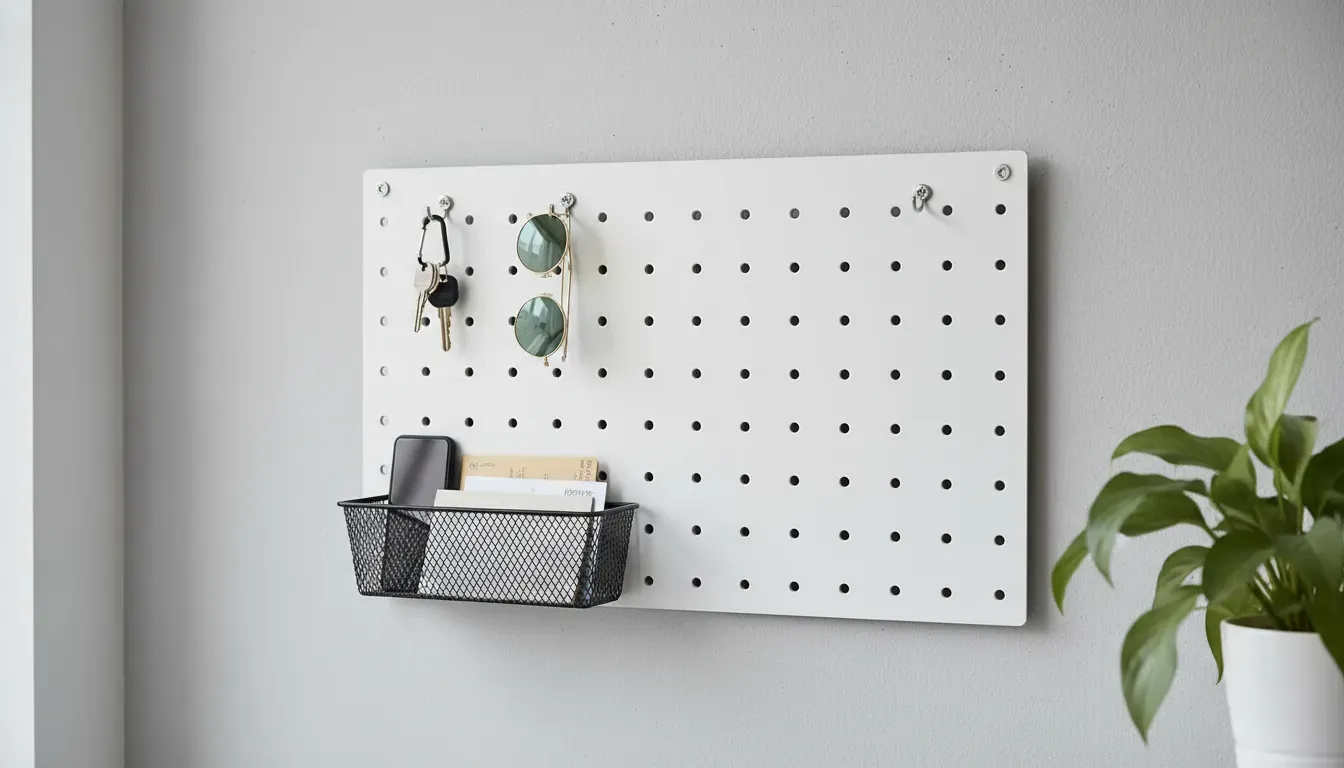
The “drop zone” is the area where keys, sunglasses, mail, and dog leashes tend to accumulate. A pegboard system consolidates these items into one vertical plane, keeping flat surfaces clear. While often associated with garages, a styled pegboard is a staple of modern interior design.
Why It Works for Renters
Pegboards are lightweight and can be cut to size. They provide infinite adjustability; as your needs change, you can rearrange the hooks and shelves without buying new furniture.
Materials Needed
- 1 Sheet of pegboard (usually 2x4 feet)
- 1x2 inch furring strips (to create space behind the board for hooks)
- Paint
- Assorted pegboard hooks and baskets
The Process
Step 1: Sizing and Framing Have your local hardware store cut the pegboard to your desired dimensions. To allow the hooks to function, the board must sit slightly off the wall. Glue the furring strips to the back perimeter of the pegboard using wood glue.
Step 2: Painting Raw brown pegboard looks unfinished. Paint it the same color as your wall for a “built-in” texture effect, or choose a bold accent color to frame the space. Using a small foam roller ensures the paint doesn’t clog the holes.
Step 3: Mounting Use heavy-duty adhesive strips on the back of the furring strips to mount the board to the wall. Since the board spans a large surface area, the weight is distributed well.
Step 4: Accessorizing This is where organization meets art. Use hooks for keys and bags. Install small wire baskets for mail. You can even add small shelves for succulents or framed photos.
To get started with the right hardware, look for a comprehensive kit: https://www.amazon.com/s?k=pegboard+organizer+kit&tag=hats0f8-20
4. The Upcycled Picture Frame Key Tray & Memo Board
For extremely small entryways where even a shelf is too intrusive, a wall-mounted tray system is the ideal solution. This project repurposes an old picture frame into a multi-functional organizer that handles keys, reminders, and outgoing mail.
Why It Works for Renters
It functions as art. By using a decorative frame, you are adding character to the wall rather than just utility. It is small, lightweight, and requires only a single nail or hook to install.
Materials Needed
- Large vintage picture frame (thrifted, ideally 16x20 inches or larger)
- Cork roll or sheet metal (cut to size)
- Fabric or wallpaper remnant
- Cup hooks (screw-in type)
- Small wooden box or basket (for mail)
The Process
Step 1: Disassembly and Prep Remove the glass and backing from the frame. Clean the frame and paint or gild it if the finish is damaged. If you want a magnetic board, cut a piece of sheet metal to fit the opening. For a pinboard, use cork.
Step 2: Aesthetic Backing Cover your cork or metal with a piece of high-quality fabric or a wallpaper sample. Linen provides a sophisticated, natural texture. Pull the fabric tight and secure it to the back of the insert with duct tape or spray adhesive.
Step 3: Adding Function Screw small cup hooks into the bottom edge of the wooden frame itself. These will serve as your key holders. Ensure you pre-drill tiny pilot holes to prevent the wood from splitting.
Step 4: The Mail Holder Attach a lightweight wooden box or wire basket to the lower portion of the board (through the cork/metal backing) using short screws or strong adhesive. This creates a dedicated pocket for letters.
Step 5: Assembly Reassemble the frame with your new backing and mount it at eye level. This creates a centralized hub for decluttering your front door area efficiently.
5. The “Faux-Built-In” Storage Bench
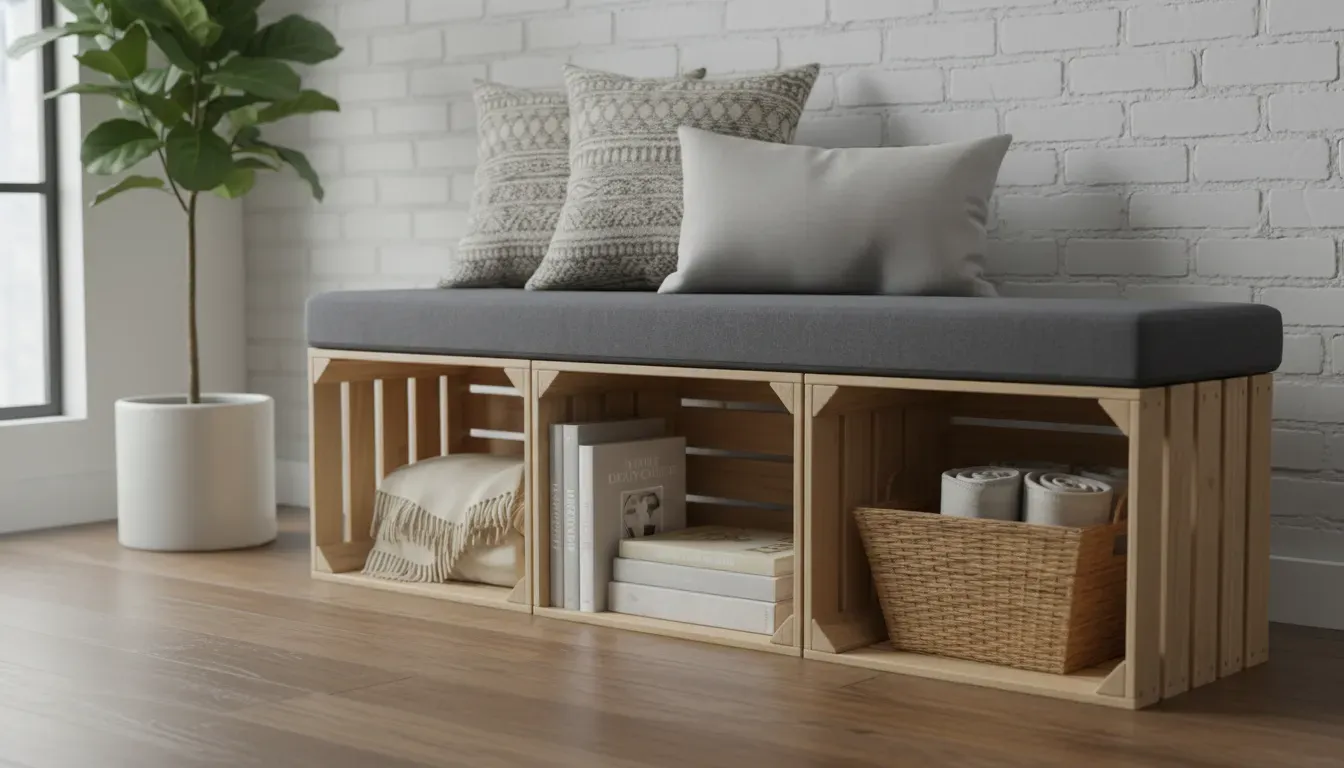
A place to sit while putting on shoes is a luxury often missing in apartments. While buying an upholstered storage bench can cost hundreds of dollars, making one from basic utility materials is surprisingly cheap and effective.
Why It Works for Renters
This piece is freestanding furniture. It provides hidden storage for unsightly items (like umbrellas, winter gear, or pet supplies) while offering a functional seat.
Materials Needed
- 2 Heavy-duty plastic milk crates or wooden crates (reinforced)
- Zip ties
- Plywood board (cut to the length of the two crates side-by-side)
- Upholstery foam (1-2 inches thick)
- Fabric (canvas drop cloth works beautifully and is very cheap)
- Staple gun
The Process
Step 1: The Base Structure Place your crates side-by-side. If they are plastic milk crates, use heavy-duty zip ties to bind them together tightly. If they are wooden, use short screws or bolts. This forms the base of your bench.
Step 2: The Lid Cut your plywood to match the dimensions of the crate top. This will be the seat. Cut your upholstery foam to the same size.
Step 3: Upholstery Lay your fabric face down on the floor. Place the foam on top, and the plywood on top of the foam. Pull the fabric up around the edges of the plywood, pulling it taut. Staple the fabric to the underside of the plywood, working from the center of each side outward to the corners. Fold the corners neatly (like wrapping a gift) and staple securely.
For a comfortable seat, ensure you choose the right density foam: https://www.amazon.com/s?k=upholstery+foam+pad&tag=hats0f8-20
Step 4: Assembly Place the upholstered lid on top of the crates. You can attach the lid with hinges for easy access, or simply let it rest on top if the fit is snug and the weight is sufficient to keep it in place.
Step 5: Styling To hide the crates (if they are plastic), you can drape a larger piece of fabric over the base before adding the lid, creating a skirted look. Alternatively, use attractive wooden crates that contribute to the decor.
Strategic Sourcing: Keeping Costs Low
To strictly adhere to the under $50 budget for these projects, strategic sourcing is required. You cannot rely solely on big-box retailers.
- Thrift Stores: Look for picture frames, baskets, and even fabric (in the form of curtains or tablecloths) at second-hand stores. The quality of older wooden frames often surpasses modern budget options.
- Hardware Store Scrap Bins: Many hardware stores have a “cull lumber” bin where they sell off-cuts of wood and plywood for pennies on the dollar. This is perfect for the shelving or bench seat projects.
- Dollar Stores: These are goldmines for organizational accessories. Wire baskets, S-hooks, and even basic mounting hardware can often be found here.
- Upcycling: Look around your current apartment. Do you have a crate used for moving that is currently empty? Do you have an old pillow that could provide the stuffing for the bench instead of buying new foam?
Renting and Liability: The “No-Trace” Policy
When undertaking any DIY project in a rental, the golden rule is “leave no trace.” While the projects listed above are designed to be low-impact, care must still be taken during installation and removal.
- Adhesive Strips: When removing Command strips or similar adhesives, never pull them away from the wall. Always pull the tab slowly parallel to the wall to stretch the adhesive and release the bond without stripping the paint.
- Small Holes: If you must use nails, stick to thin finishing nails. The holes they leave are tiny. Upon moving out, a dab of spackling paste (or even white toothpaste in a pinch for white walls) can make them invisible.
- Weight Limits: Be realistic about what your walls can hold. Drywall is brittle. If you are hanging heavy coats or bags, ensure you are anchoring into a stud or using toggle bolts if holes are permitted. If not, rely on floor-standing units like the bench or tension rod system.
Conclusion
Transforming a chaotic entryway into a streamlined, functional space does not require a renovation budget or a mortgage. It requires a shift in perspective. By viewing ordinary materials like crates, tension rods, and pegboards as the building blocks of design, you can craft a home that feels curated and intentional.
These five projects offer a starting point. They solve the fundamental problems of shoe storage, surface clutter, and “landing zone” organization without violating lease agreements. More importantly, they prove that a limited budget is not a barrier to a beautiful home; it is merely a parameter that invites smarter design solutions. Take control of your entryway this weekend—your future self, walking through that door after a long day, will thank you.