
Smart Entryway Storage Technology: Integrating Charging Stations and Digital Organization
Discover how to transform your foyer into a high-tech hub by integrating smart charging stations, digital command centers, and automated storage solutions.
Feb 2, 2026 - Written by: linda wise

The modern entryway is no longer merely a transitional space for shedding coats and discarding mail. As our lives become increasingly tethered to technology, the threshold of the home must evolve to accommodate a new set of necessities. The traditional “drop zone”—once a simple console table and a key bowl—is undergoing a radical transformation. It is becoming a sophisticated hub of connectivity, power management, and digital organization.
Integrating smart technology into entryway storage is not just about adopting the latest gadgets; it is about seamless lifestyle management. It involves creating a designated environment where devices recharge, schedules synchronize, and the chaos of the outside world is methodically organized before one steps fully into the sanctuary of the home. This comprehensive guide explores the intersection of carpentry and circuitry, detailing how to design an entryway that serves as both a high-tech command center and an elegant storage solution.
The Evolution of the Drop Zone
Historically, entryway furniture was passive. It held items but did nothing to maintain them. Today, our everyday carry items—smartphones, smartwatches, wireless earbuds, and tablets—require active maintenance in the form of electrical power. Consequently, the architecture of entryway storage must shift from passive holding to active charging and synchronization.
This evolution addresses a common pain point in modern interior design: the proliferation of cables. Nothing disrupts the visual serenity of a well-designed foyer faster than a tangle of white and black cords snaking across a console table. Smart entryway storage solves this by internalizing the clutter, embedding the technology directly into the furniture, and prioritizing the user experience. By merging minimalist design principles with functional technology, homeowners can reclaim their space from electronic clutter.
Wireless Charging Integration
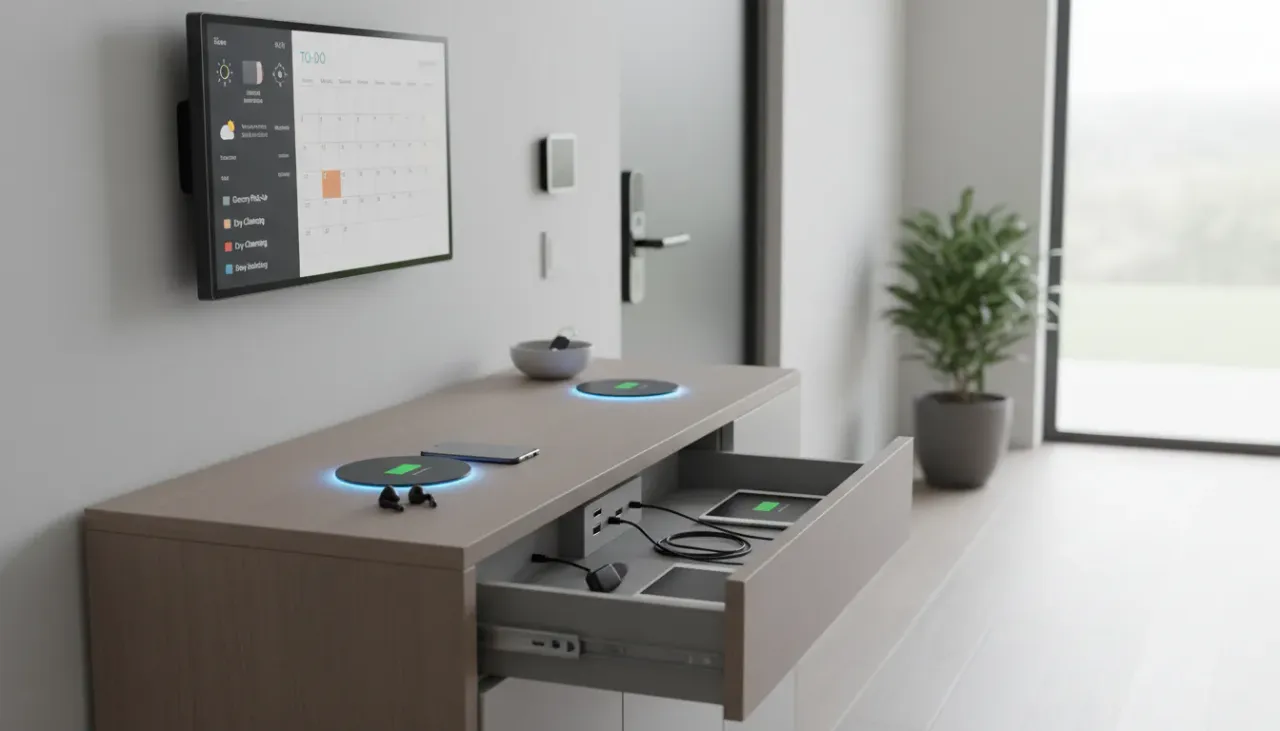
The cornerstone of the smart entryway is the wireless charging station. Inductive charging technology (Qi) has matured to the point where it can be invisibly integrated into various materials, allowing for a magical user experience where a device begins charging the moment it is set down.
Embedded Surface Technology
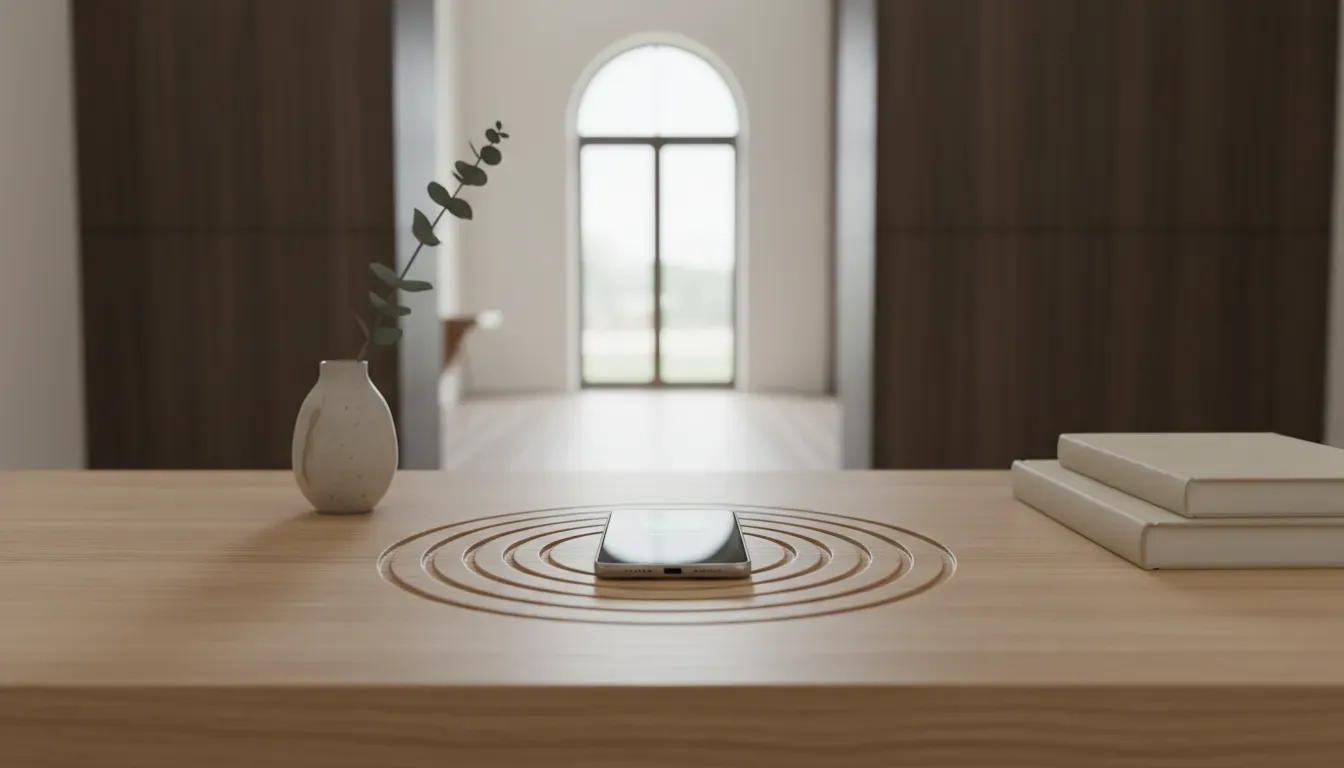
For a truly seamless look, charging coils can be routed into the underside of wood, stone, or glass surfaces. This “invisible” charging method eliminates the need for unsightly plastic pads sitting on top of your furniture. When designing a custom console or retrofitting an existing piece, the material thickness must be calibrated carefully to ensure the magnetic field reaches the device.
High-end furniture manufacturers are increasingly offering consoles with indicated “hot spots” for charging. However, for the DIY enthusiast or custom joinery project, routing a cavity underneath a solid wood top to within three millimeters of the surface allows for the installation of high-power charging pucks. The result is a clean surface that powers devices on contact, preserving the aesthetic integrity of the entryway.
The Multi-Device Valet
While invisible charging is aesthetically superior, the multi-device valet tray remains a highly functional alternative for organizing smaller items. Modern iterations of the valet tray are equipped with dedicated spots for phones, watches, and earbuds, often constructed from premium leather or felt to protect devices from scratches.
By designating a specific spot for charging, you create a behavioral habit loop. You enter the home, place your devices in the valet, and disconnect from the digital noise. This physical separation from technology upon entry can significantly improve mental well-being and presence within the home.
Managing Heat and Ventilation
Electronic charging generates heat. When integrating charging stations into drawers or enclosed cabinets, ventilation becomes a critical engineering consideration. A smart storage unit should incorporate passive ventilation channels or discreet cutouts to allow heat to dissipate. Overheating can degrade battery health over time, so ensure that any enclosed charging station allows for adequate airflow around the devices.
For those looking to upgrade their current setup without major construction, standalone charging organizers offer an excellent middle ground.
Shop Wireless Charging Valet Trays on Amazon
The Digital Command Center
Beyond power, the smart entryway serves as the information hub of the household. Integrating digital organization tools into the physical structure of the entryway bridges the gap between digital calendars and physical logistics.
Smart Displays and Family Dashboards
Replacing the traditional corkboard or dry-erase calendar is the smart display. These devices, when mounted flush against a wall or integrated into a cabinet door, act as a central nervous system for the family. They display shared calendars, weather forecasts, traffic updates for the morning commute, and reminders.
Strategically placing a smart display in the entryway ensures that critical information is consumed at the most pivotal moments: upon departure and arrival. Advanced setups can utilize facial recognition to display personalized information for the specific family member standing in front of it. For example, a parent might see a traffic alert for their route to work, while a child sees a reminder to grab their gym kit.
Voice Assistant Integration
Integrating voice assistants into entryway storage allows for hands-free control of the smart home ecosystem. As you walk through the door, a simple voice command can adjust the thermostat, turn on the living room lights, and play relaxing music.
To maintain a clean aesthetic, smart speakers can be hidden behind acoustically transparent fabric panels within cabinet doors or recessed into open shelving. This “ambient computing” approach ensures the technology is available when needed but visually recedes when not in use.
Cable Management and Infrastructure
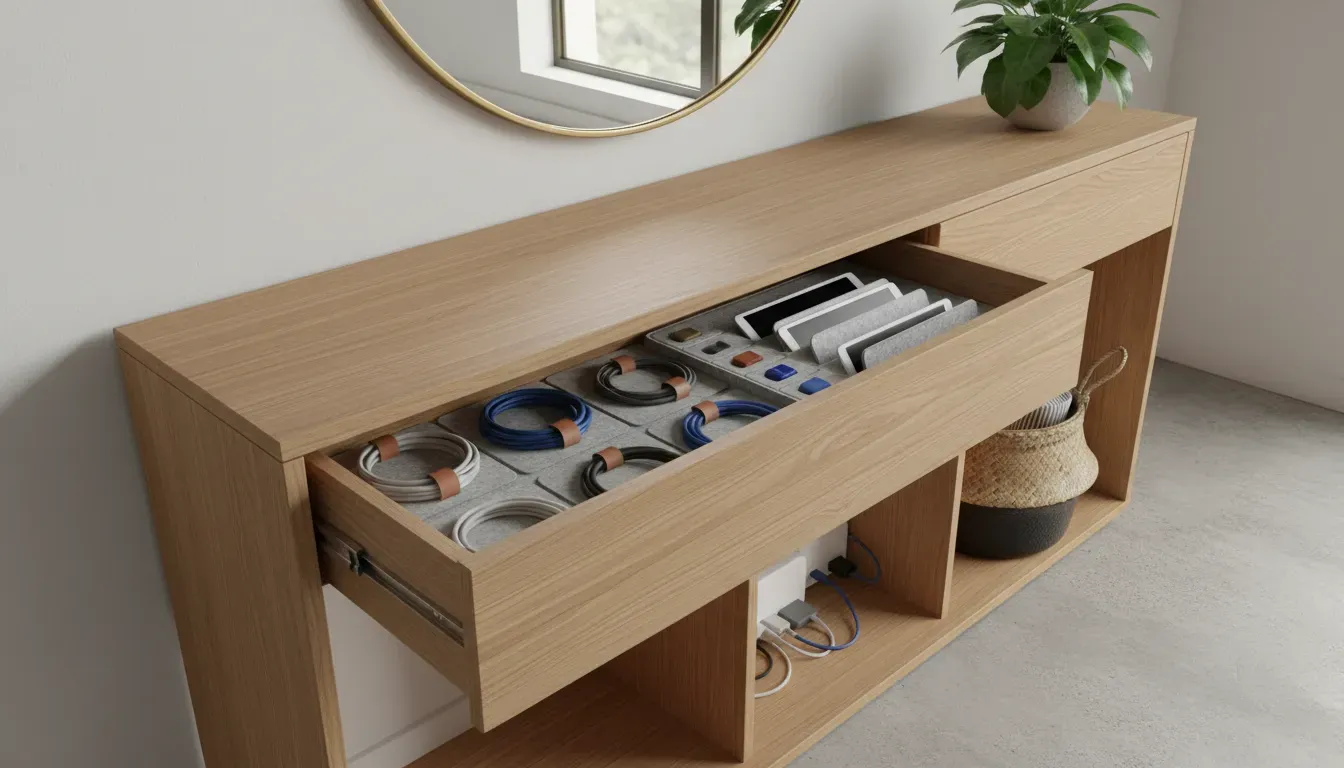
The success of any smart storage solution lies in its infrastructure. The difference between a messy tech pile and a sleek charging station is often entirely dependent on cable management.
The False Back Strategy
In deep cabinets or console tables, installing a false back panel is a professional technique for hiding the “spaghetti” of wires. This panel sits a few inches forward from the true back of the furniture, creating a hidden void. All power strips, transformers, and excess cabling reside in this void, accessible via removable panels, while the visible shelving remains pristine. Cables pass through precise grommets to the devices, exposing only the minimum length of wire necessary.
In-Drawer Powering
Powering the inside of a drawer adds a layer of complexity but offers the ultimate in clutter reduction. This requires the use of articulated cable management arms or specific “drawer chain” cable carriers usually found in server racks or industrial machinery. These mechanisms safely guide the power cable as the drawer opens and closes, preventing pinching or tangling.
By electrifying the drawer, you create a secure, dust-free environment for charging tablets, laptops, and power banks. It is effectively a “tech garage” that keeps expensive electronics out of sight and out of mind until they are needed.
Smart Security and Access Control
The entryway is the primary barrier between the public and private spheres. Therefore, smart storage must also address security and access.
Biometric Storage for Valuables
For homeowners who store keys, wallets, or sensitive documents in the entryway, standard joinery is often insufficient. Integrating biometric fingerprint scanners or RFID locks into drawers provides a layer of security without the hassle of physical keys.
These smart locks can be programmed to auto-lock after a set period, ensuring that even if you forget to close a drawer securely, your valuables remain protected. This is particularly useful in busy households with service providers, cleaners, or guests moving through the space.
Intelligent Package Management
With the rise of e-commerce, package theft has become a significant concern. Smart entryway benches or exterior storage boxes are now being designed with integrated electronic locks that can be controlled remotely. Delivery drivers can be given a one-time access code to deposit a package into a secure compartment, which then locks automatically.
Some advanced systems integrate UV-C lighting within these compartments to sanitize packages upon arrival, a feature that gained prominence in recent years. While this requires a power source, the peace of mind offered by a secure, sanitized drop-off zone is invaluable.
Shop Smart Secure Package Delivery Boxes on Amazon
Lighting and Automation
Lighting in the smart entryway serves two purposes: functional visibility and atmospheric transition.
Motion-Activated Illumination
Fumbling for a light switch with arms full of groceries is a relic of the past. Smart entryways utilize motion sensors to activate lighting zones automatically. However, rather than just lighting up the ceiling, smart storage furniture should have integrated LED lighting.
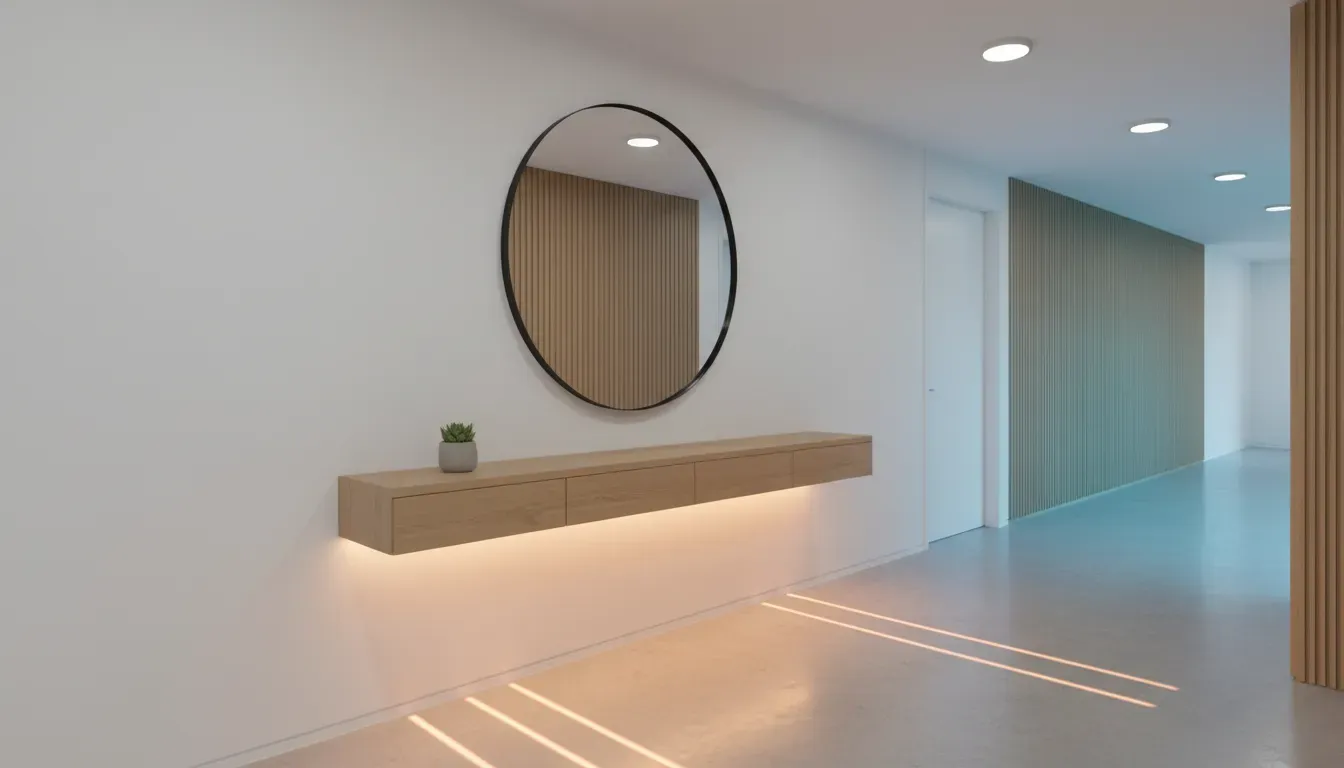
Low-voltage LED strips routed into the interior of cabinets or underneath floating consoles provide soft, ambient light that guides the way without being jarring. Sensors installed inside drawers or closets can trigger high-CRI (Color Rendering Index) task lighting immediately upon opening, making it easy to distinguish between navy and black coats or find specific keys.
Circadian Rhythm Adaptation
Advanced smart lighting systems can adjust the color temperature of the entryway lights based on the time of day. In the morning, the light can be cool and energizing to help wake you up as you leave. In the evening, the system shifts to warm, amber tones to facilitate relaxation the moment you step through the door. This subtle psychological cue reinforces the home as a place of rest.
Shop Motion Sensor Cabinet Lighting on Amazon
Material Selection for Tech-Integrated Furniture
When designing furniture that houses electronics, material selection goes beyond aesthetics. The physical properties of the materials can impact the performance of the technology.
Interference and Connectivity
Metal cabinets, while stylish and durable, can act as Faraday cages, blocking Wi-Fi and Bluetooth signals. If your smart hub or wireless router is concealed within the entryway storage, avoid solid metal enclosures. Instead, opt for wood, laminate, or composites. If metal is a design requirement, ensure the doors have mesh inserts or that the back is open to allow signal propagation.
Durability and Heat Resistance
Charging devices generate thermal energy. Surfaces used for charging stations should be heat resistant and non-porous. Engineered stone (quartz) or solid surface materials (like Corian) are excellent choices for the “tops” of charging consoles. They are durable, easy to clean, and handle thermal fluctuations better than solid wood, which may warp or crack over time if subjected to constant localized heat from a fast-charger.
Planning Your Smart Entryway: A Step-by-Step Guide
Implementing these technologies requires a methodical approach. A haphazard collection of gadgets will result in a cluttered, rather than smart, entryway.
1. Audit Your Tech Needs
Begin by taking inventory of what exactly needs to happen in your entryway.
- How many phones need charging?
- Do you have smartwatches or earbuds?
- Do you need a visual calendar?
- Is package security a concern?
- Do you need secure storage for physical keys?
2. Design the Power Infrastructure
Before buying furniture, look at the electrical outlets. You will likely need more outlets than are currently available. Consider hiring an electrician to install recessed outlets behind where the furniture will stand, or install USB-C enabled wall receptacles to eliminate bulky adapters.
3. Choose the Furniture “Host”
Decide if you are buying a pre-made smart console or customizing a piece. If customizing, look for pieces with solid construction that can withstand drilling for grommets and have enough internal depth (at least 14 inches) to house power strips and cable management.
4. Layer the Technology
Start with the essentials (charging and lighting) and then add the enhancements (voice assistants, digital displays). Test the wireless charging through your specific phone case and the furniture surface material before permanently gluing any chargers in place.
Future Trends in Entryway Technology
As we look toward the future, the integration of technology and home infrastructure will become even more seamless. We are moving toward “ambient intelligence,” where the home anticipates needs without direct commands.
NFC Tag Automation
Near Field Communication (NFC) tags embedded in entryway furniture will trigger complex automation routines. Simply tapping your phone on a specific spot on the console could switch the house to “Away Mode”—arming the security system, lowering the blinds, and turning off all lights.
Smart Mirrors
The mirror is a staple of entryway decor. Future iterations will function as “magic mirrors,” displaying health metrics, weather, and wardrobe suggestions through the glass surface, only to vanish into a standard reflection when not in use.
Sustainable Energy Integration
As battery technology improves, we may see entryway storage units with integrated battery banks that charge during off-peak hours and power your devices during peak times, contributing to overall home energy efficiency.
Conclusion
The smart entryway represents a shift in how we view our homes—not just as static shelters, but as dynamic machines for living. By integrating charging stations, digital organization, and intelligent lighting into our storage solutions, we reduce friction in our daily lives.
A well-designed smart entryway clears the mental clutter as effectively as it clears the physical clutter. It ensures that when you leave, you are fully charged and prepared, and when you return, you can seamlessly disconnect and relax. Investing in this technology is not merely an upgrade to your furniture; it is an upgrade to your daily ritual, streamlining the transition between the connected world and the comfort of home.