
Splurge or Save? Luxury Entryway Benches with Storage Worth the Investment
Discover whether to splurge or save on entryway storage benches. We analyze material quality, durability, and design to help you maximize your home's first impression.
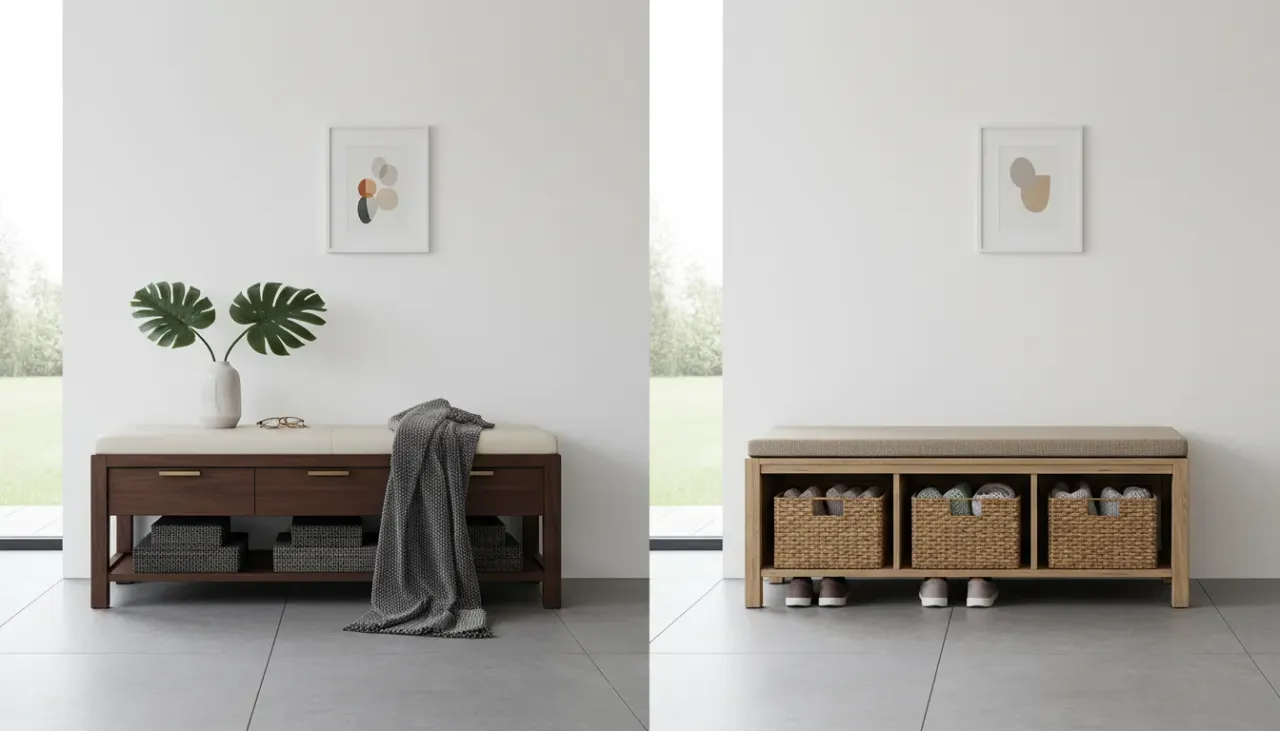
Feb 4, 2026 - Written by: linda wise

The entryway is the handshake of the home. It is the first physical point of contact for guests and the final threshold you cross before facing the world. Despite its significance, this transitional space is often relegated to an afterthought—a chaotic drop zone for mail, shoes, and keys. However, for the discerning homeowner, the foyer represents a unique opportunity to marry high-end aesthetics with pragmatic utility. Central to this union is the entryway bench with storage.
When curating a home that exudes intention and sophistication, one inevitably encounters a dilemma: should you invest in a luxury piece that promises heirloom quality, or is it wiser to opt for a budget-friendly alternative that achieves the visual objective without the financial commitment? The answer lies not just in the price tag, but in an understanding of materials, construction, and the long-term value of organization.
In this comprehensive guide, we will dissect the anatomy of the storage bench, evaluating where high investment yields high returns and where savvy savings can be made without sacrificing style. Whether you are outfitting a sprawling vestibule or optimizing a compact hallway, understanding the nuance between “splurge” and “save” is the key to a successful interior design strategy.
The Psychology of the Entryway: Why It Matters
Before delving into the technicalities of joinery and upholstery, it is essential to understand the psychological role of the entryway. In architectural theory, the entryway serves as a decompression zone. It creates a necessary pause between the public sphere—often characterized by noise, work, and social performance—and the private sanctuary of the home.
A cluttered, disorganized entryway can immediately spike cortisol levels upon arrival. Conversely, a curated, organized space signals the brain that it is time to rest. A storage bench is more than a seat; it is an organizational anchor. It provides a designated place for the physical artifacts of the outside world, allowing the rest of the home to remain unburdened.
Investing in this piece of furniture is, by extension, an investment in your daily mental transition. A luxury bench that functions smoothly—where drawers glide silently and hinges do not creak—maintains the serenity of this transition. A poorly constructed piece that wobbles or jams introduces micro-stresses that accumulate over time. Therefore, the decision to splurge or save is not merely financial; it is an ergonomic and psychological consideration.
Defining Luxury in Functional Furniture
The term “luxury” is frequently misappropriated in the furniture industry, often used to describe a look rather than a standard of quality. True luxury in the context of an entryway bench is defined by three pillars: material integrity, craftsmanship, and endurance.
Material Integrity
A true investment piece eschews particle board and medium-density fiberboard (MDF) in favor of kiln-dried hardwoods such as walnut, oak, or maple. Kiln drying removes moisture from the wood, preventing warping and cracking over decades of seasonal humidity changes. In upholstered benches, luxury is defined by high-performance fabrics—top-grain leathers that patina with age, or heavy-weight linens and velvets with high “double rub” counts, ensuring they can withstand the friction of daily use without thinning or pilling.
Craftsmanship and Joinery
Mass-market furniture typically relies on cam locks, dowels, and glue—fasteners that can degrade under the dynamic load of people sitting down to tie their shoes. High-end benches utilize traditional joinery techniques. Mortise and tenon or dovetail joints provide structural integrity that mechanical fasteners cannot replicate. Furthermore, the hardware in a luxury piece sets it apart: soft-close hydraulic hinges, heavy-gauge drawer slides, and solid brass accents rather than plated zinc.
Endurance and Patina
Perhaps the most significant differentiator is how the piece ages. A budget bench made of laminate over particle board will look its best the day it is unboxed; every subsequent scratch or dent reveals the synthetic interior, degrading its appearance. A solid wood luxury bench, conversely, can absorb the wear and tear of life. Scratches can be buffed or oiled, and wear patterns can add character rather than decrepitude.
The “Splurge” Case: When to Invest in High-End Storage Benches
There are specific scenarios where allocating a larger portion of your budget to an entryway bench is the mathematically and aesthetically superior choice. If your entryway is a high-traffic zone—perhaps with children, pets, or frequent guests—the durability of the piece becomes paramount.
The Investment in Hardwoods
Consider the “cost per use” metric. A $1,500 bench made of solid white oak that lasts for thirty years costs roughly $50 per year. A $300 particle board bench that begins to wobble and peel after three years costs $100 per year. In this light, the splurge is actually the frugal choice. Solid wood benches offer a weight capacity that budget models cannot match, often supporting 400-500 pounds with ease, ensuring that two adults can sit simultaneously without compromising the structure.
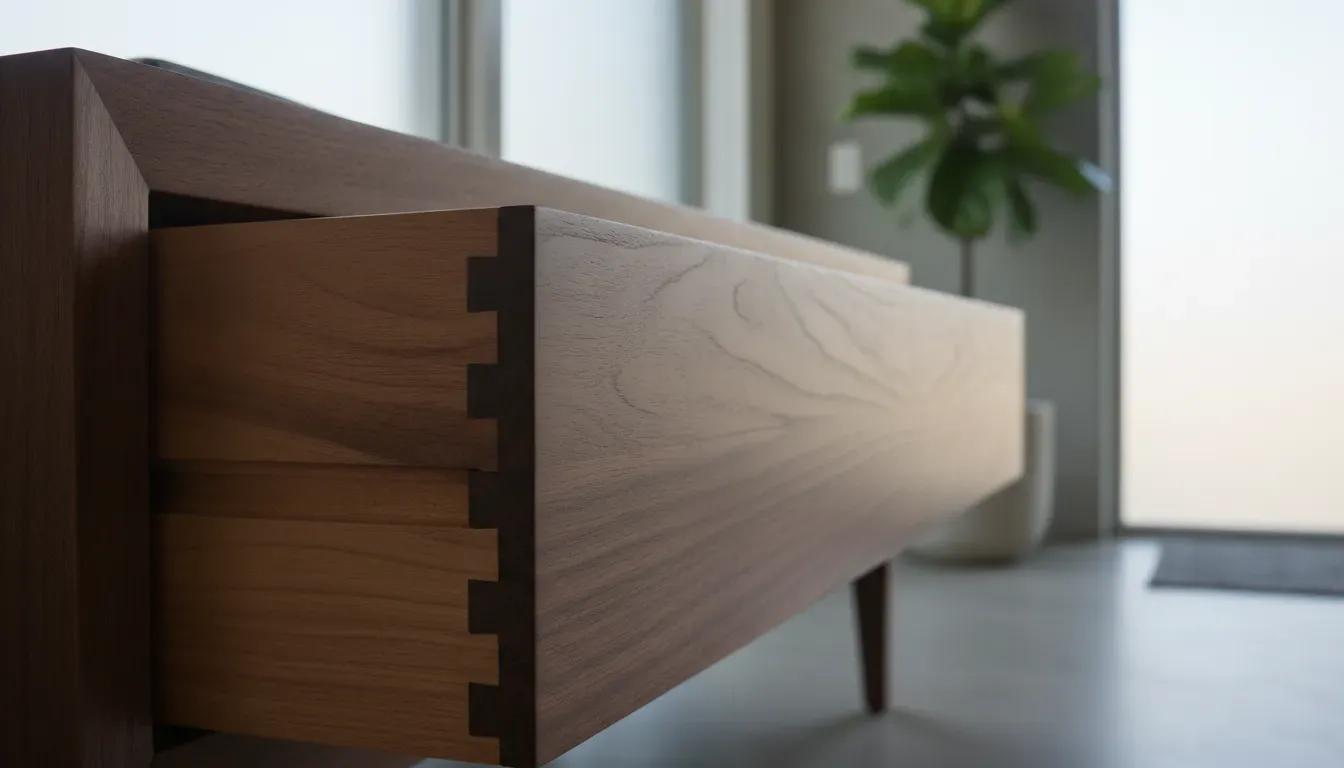
Upholstery That Lasts
For benches featuring seating pads or full upholstery, the splurge allows for the use of Crypton fabrics or aniline leathers. These materials are engineered to repel stains and resist odors, a crucial feature for an area where wet raincoats and muddy bags may land. Cheaper bonded leathers will eventually peel, leaving unsightly flakes, whereas genuine leather becomes softer and more comfortable.
If you are ready to invest in a piece that combines solid construction with timeless aesthetics, look for benches that highlight natural wood grains and robust hardware.
Shop Solid Wood Entryway Benches
The “Save” Strategy: Achieving the Look for Less
Not every home requires a museum-quality bench in the foyer. There are strategic ways to save money without filling your home with disposable furniture. The “save” strategy is ideal for low-traffic entryways, apartments with short-term leases, or secondary entrances like mudrooms where utility trumps elegance.
Understanding Compromise
To save effectively, one must know where to compromise. It is acceptable to compromise on the finish material—using a high-quality wood veneer over a plywood core (which is stronger than MDF) can significantly reduce costs while maintaining the look of solid wood. You might also compromise on the “hidden” elements, such as drawer interiors being unfinished or using standard side-mount slides rather than undermount soft-close slides.
The Power of Textiles
A mid-range bench can be elevated instantly by swapping out the stock cushion. Often, budget benches come with thin, low-density foam pads covered in generic polyester. By purchasing a budget-friendly frame and having a custom cushion made with high-end fabric and high-density foam, you create a “high-low” mix that looks significantly more expensive than it is.
Metal and Industrial Styles
Metal storage benches are often a safer bet in the budget category than wood imitations. Powder-coated steel is durable, inexpensive to manufacture, and resistant to scratching. An industrial-style metal bench with a shoe rack offers immense utility and durability at a fraction of the cost of a joinery-heavy wooden piece.
If you are looking for a stylish solution that balances cost with functionality, consider upholstered options that provide a boutique hotel look without the custom furniture price tag.
Shop Upholstered Storage Benches
Top Features to Look for (Regardless of Budget)
Whether you are spending $200 or $2,000, certain functional requirements must be met for the bench to serve its purpose as a storage solution. Poor design in a luxury piece is just as frustrating as poor design in a budget piece.
The Hinge Mechanism
For flip-top benches, the hinge is the critical failure point. Look for “lid stay” or torsion hinges that hold the lid open at any angle. This prevents the lid from slamming shut on fingers—a non-negotiable safety feature for households with children. Avoid simple piano hinges that offer no resistance.
Depth and Capacity
A common pitfall is purchasing a bench that is too shallow to store adult-sized shoes. Ensure the internal depth of the storage compartment or the height of the shelves is at least 12 to 14 inches. If the bench utilizes cubbies, measure your most frequently worn boots to ensure they will fit. Nothing destroys the aesthetic of an entryway faster than shoes that protrude awkwardly from a storage unit.
Breathability
Shoes and outerwear can carry moisture and odors. A completely sealed wooden box can become a trap for mildew. Look for benches that incorporate ventilation, such as slatted shelves, wicker baskets, or discreet cutouts in the back panel to allow for airflow. This preserves both the furniture and the items stored within.
Versatility
The best storage benches offer a mix of storage types. A combination of a flip-top compartment for scarves and gloves, alongside open shelving or drawers for shoes, maximizes utility.
Shop Versatile Shoe Storage Benches
Analyzing Specific Bench Styles: A Comparative Guide
To further aid in your decision-making process, we can categorize benches by style and analyze the splurge vs. save dynamics for each.
The Mid-Century Modern Bench
- The Aesthetic: Tapered legs, clean lines, walnut finishes, and minimalist hardware.
- The Splurge: Solid American Black Walnut. The grain matching across drawers will be continuous (waterfall edge), and the legs will be turned from solid stock.
- The Save: Rubberwood stained to look like walnut. While rubberwood is a hardwood, it lacks the depth and grain character of walnut. However, for a painted finish or a darker stain, it is a sturdy and economical choice.
The Farmhouse/Rustic Bench
- The Aesthetic: Chunky proportions, distressed finishes, visible grain, often featuring sliding barn door hardware.
- The Splurge: Reclaimed oak or pine. The “distressing” is authentic history, not a factory finish. The sliding hardware is heavy forged iron that glides smoothly.
- The Save: Pine veneer with applied texture. Be wary of “paper veneer” which can peel. Look for “3D foil” laminates which offer better resistance to moisture and scratching than standard paper laminates.
Styling Your Entryway Bench for Maximum Impact
Regardless of the investment level, the way a bench is styled determines its visual impact. A luxury bench can look cluttered if poorly styled, while a budget bench can look chic with the right accouterments.
The Rule of Odd Numbers
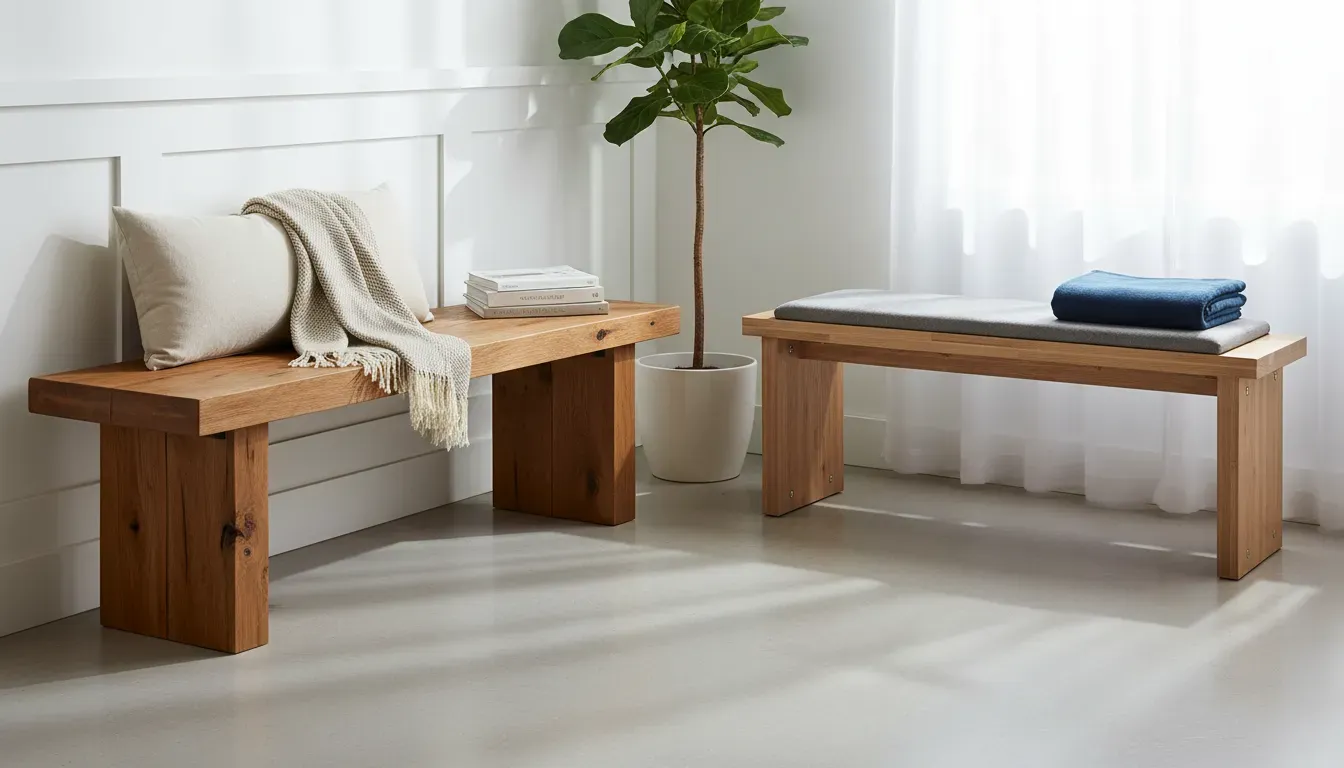
When accessorizing the bench, adhere to the rule of odd numbers. Place three distinct items to create visual interest. For example, a textured throw blanket draped over one arm, a lumbar pillow in a contrasting fabric, and a woven basket on the floor nearby. This breaks up the symmetry and adds layers of warmth.
Lighting Integration
The bench does not exist in a vacuum. Proper lighting overhead or a nearby floor lamp highlights the texture of the materials. If you have splurged on a bench with a beautiful wood grain, ensure your lighting temperature (aim for 2700K to 3000K) enhances the warmth of the wood rather than washing it out with cool blue light.
Wall Anchoring
Anchor the bench visually by utilizing the vertical space above it. A large mirror not only allows for a final appearance check but also reflects light, making the entryway feel larger. Alternatively, a gallery wall or oversized piece of art draws the eye upward, integrating the bench into the architecture of the room.
Maintenance and Care for Long-Term Value
Protecting your investment—whether large or small—requires routine maintenance. The entryway is a high-impact zone, subject to mud, grit, and moisture.
Leather Care
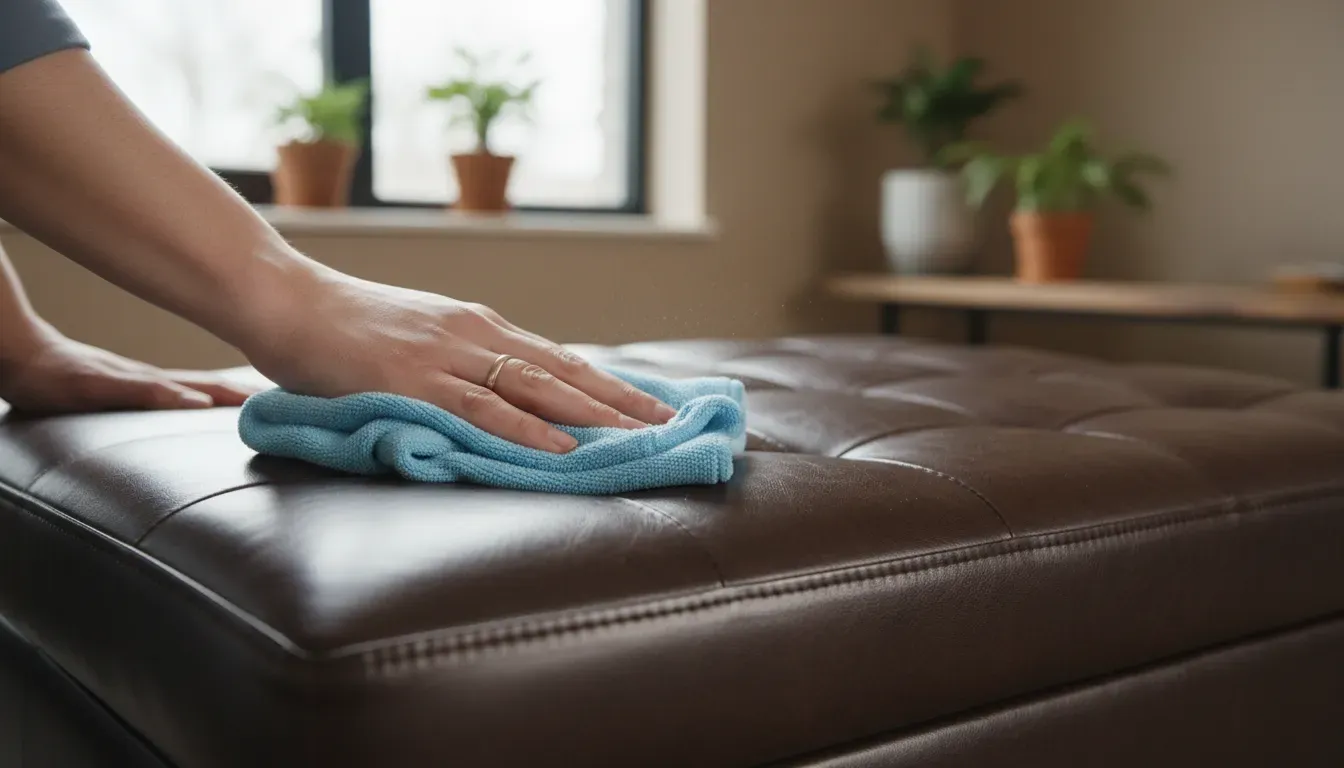
For leather benches, apply a high-quality leather conditioner every six to twelve months. This keeps the hide supple and prevents cracking. Avoid placing leather benches in direct sunlight, as UV rays will fade the dye and dry out the natural oils.
Wood Protection
For solid wood or veneer, use coasters for any beverages placed on the surface (coffee cups are common in the morning rush). Regularly dust with a microfiber cloth to prevent grit from scratching the finish. If your bench has a wax finish, re-waxing annually will maintain its water resistance.
Hardware Maintenance
Every few months, check the tightness of the bolts and screws, particularly on the legs. The dynamic motion of sitting and standing can loosen hardware over time, leading to wobbly joints. A quick turn with an Allen key or screwdriver can prevent structural failure.
Conclusion: Making the Final Decision
Ultimately, the decision to splurge or save on a luxury entryway bench depends on your specific lifestyle needs and the value you place on longevity.
Splurge if:
- This is your “forever home” and you are building a collection of heirloom furniture.
- The bench will see heavy daily use from multiple family members.
- You prioritize natural materials and sustainable manufacturing.
- The bench is a focal point of your home’s entrance and sets the tone for the rest of the interior.
Save if:
- You are in a temporary living situation or renting.
- The bench is primarily decorative and will rarely be sat upon.
- You enjoy changing your decor style frequently and do not want to be tied to a specific aesthetic for decades.
- You have pets that are prone to scratching or chewing furniture.
There is no shame in the “save” category, provided you choose pieces that are structurally sound. Conversely, the “splurge” is rarely regretted when the quality of the craftsmanship brings daily joy and effortless utility. By weighing the factors of material integrity, storage capacity, and design impact, you can select an entryway bench that not only organizes your space but elevates your daily routine.
The entryway is where you leave the world behind and enter your sanctuary. Whether you do so on a bench of solid walnut or clever laminate, the goal remains the same: a welcoming, organized, and beautiful return home.