
Beyond Coats: 15 Creative Uses for Entryway Hooks and Wall Organizers
Discover 15 innovative ways to use wall hooks and organizers throughout your home to maximize storage and elevate decor beyond just hanging coats.
Feb 4, 2026 - Written by: linda wise

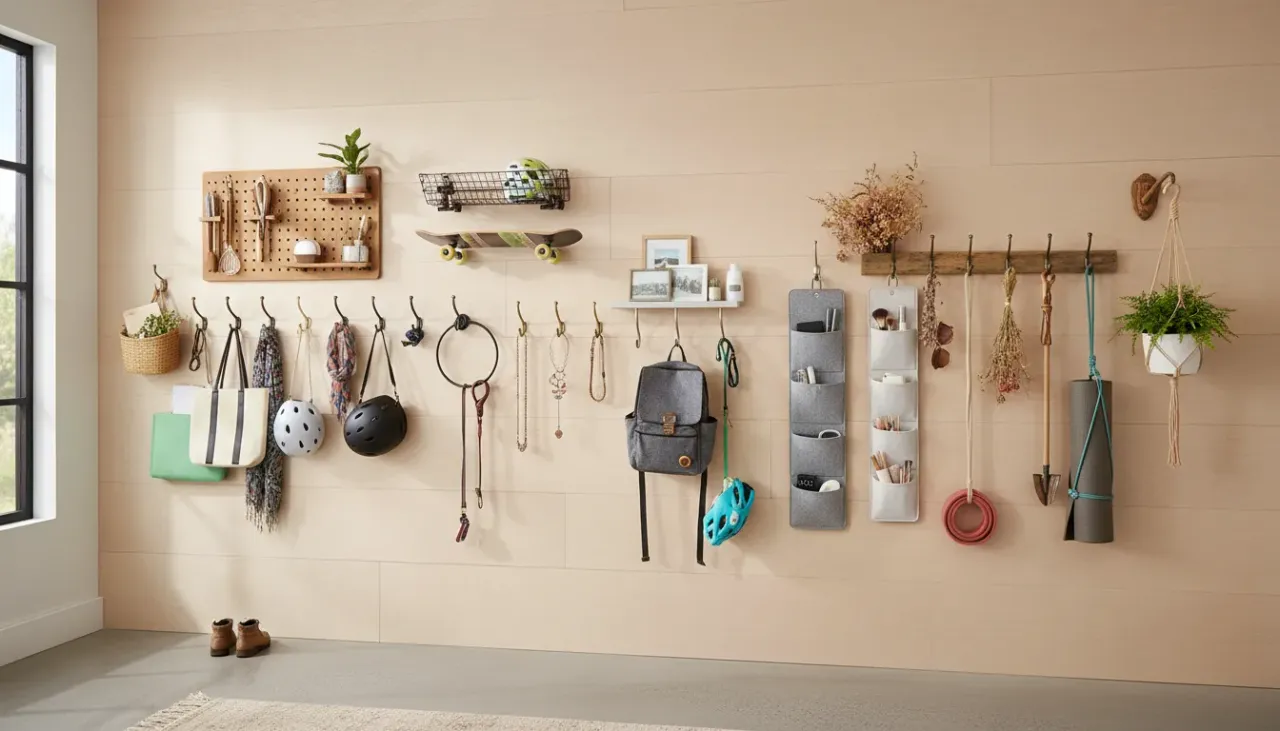
In the realm of interior design and home organization, few elements are as underestimated as the humble wall hook. Traditionally relegated to the foyer for the sole purpose of catching raincoats and winter parkas, these hardware staples possess a versatility that extends far beyond the front door. When viewed through the lens of spatial efficiency and aesthetic utility, the wall organizer transforms from a mere necessity into a dynamic tool for decluttering every room in the house.
Vertical storage is the secret weapon of professional organizers. By lifting items off counters, floors, and chairs, you reclaim valuable square footage and create a visual sense of order. However, the application of hooks and rails need not be purely utilitarian. With the vast array of finishes available—from brushed brass and matte black to reclaimed wood and industrial iron—these fixtures can serve as integral components of your home’s design language.
This comprehensive guide explores fifteen innovative ways to deploy entryway hooks and wall organizers throughout your home. We will move beyond the coat rack to uncover storage solutions that are as clever as they are stylish, proving that even the smallest hardware changes can have a massive impact on your daily life.
Part 1: Reimagining the Entryway
While the title suggests moving beyond the entryway, we must first perfect it. The modern foyer is often a high-traffic drop zone that accumulates clutter rapidly. By diversifying what we hang, we can transform this chaotic space into a streamlined command center.
1. The Ultimate Dog Walking Station
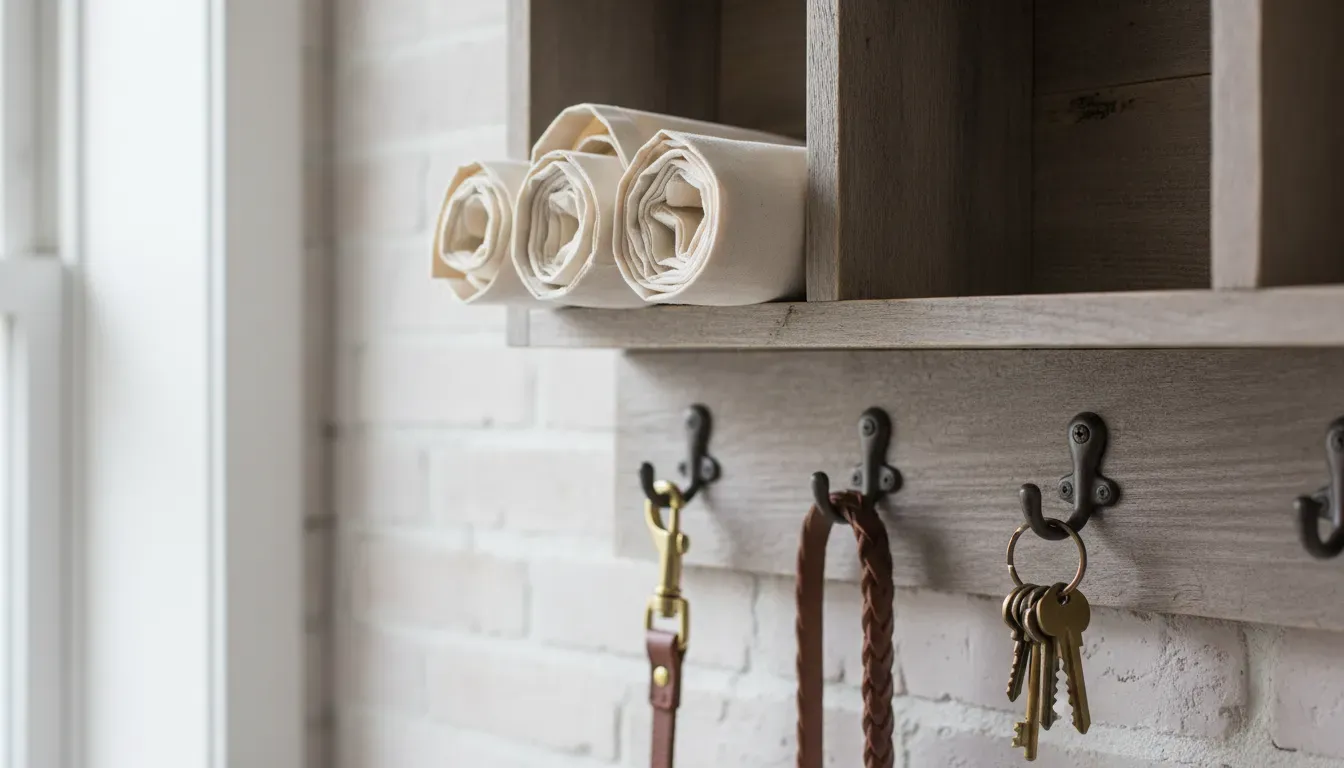
For pet owners, the “walkies” routine often involves a frantic search for leashes, waste bags, and harnesses. Dedicating a specific wall organizer to your pet’s needs creates a grab-and-go station that saves time and reduces stress. Install a sturdy rail with multiple hooks at a lower height—accessible for children who might have chores, but high enough to keep dangling leashes off the floor.
Use the hooks for leashes and collars, but do not stop there. A wall organizer with an integrated shelf or basket is ideal for storing waste bag rolls, a flashlight for evening walks, and a jar of treats. This containment strategy prevents pet gear from migrating to kitchen counters or living room sofas.
2. The Household Command Center
Paper clutter is the silent killer of organized entryways. Mail, school permission slips, and bills often pile up on console tables, creating visual noise the moment you walk through the door. A wall organizer featuring a combination of hooks and pockets or slots can revolutionize how you handle incoming data.
Designate specific slots for “In,” “Out,” and “Bills.” Use the hooks underneath not for coats, but for keys—the most commonly misplaced household item. By giving your keys a permanent home immediately adjacent to the mail slot, you create a workflow that ensures essential items are never lost. For a seamless look, consider organizational units that incorporate a magnetic board or chalkboard for leaving messages or pinning appointment reminders.
3. The Eco-Friendly Grab Station
As reusable shopping bags become the norm, storing them remains a challenge. They are often forgotten in the car or stuffed into a kitchen drawer that refuses to close. By placing heavy-duty hooks near the exit, specifically for canvas totes and mesh produce bags, you ensure they are always visible when you head out for groceries. This visual cue serves as a reminder to take them with you, supporting your sustainable habits while keeping the kitchen drawers free for utensils.
Part 2: Culinary Creativity in the Kitchen
The kitchen is often the heart of the home, but it is also the room most prone to clutter. Counter space is premium real estate; sacrificing it for storage is rarely an option. Wall hooks and rail systems allow you to utilize the backsplash and vertical walls to keep tools within arm’s reach without sacrificing prep space.
4. The Vertical Coffee Bar
Coffee culture has invaded the home, but elaborate espresso machines and grinders take up significant space. You can reclaim cabinet space and add a touch of café charm by moving your mug collection to the wall. Installing a series of hooks or a rail system under your upper cabinets allows you to display your favorite ceramics.
This setup not only frees up cupboard space but also adds personality to the kitchen. Ensure you use hooks with a deep curve to securely hold the handles, preventing accidental slips. Arranging mugs by color or size can turn a storage solution into a piece of wall art.
5. The Chef’s Mise-en-Place
In professional kitchens, efficiency is paramount. Chefs hang their most-used tools—ladles, spatulas, tongs, and whisks—on rails above their workstations. You can replicate this functionality at home. By installing a robust rail system behind the stove or on a side wall, you keep essential utensils instantly accessible.
For those with limited drawer space, this is a game-changer. It also prevents the common issue of utensil drawers jamming due to bulky items. If you have beautiful copper or stainless steel cookware, consider installing heavy-duty hooks to hang pots and pans. This clears massive amounts of cabinet space and gives the kitchen a serious, gourmand aesthetic.
For a sleek, professional look in your kitchen, consider a dedicated rail system.
Check out this Kitchen Rail Hook Organizer on Amazon
6. Aprons and Linens Display
Textiles add warmth to a kitchen, yet aprons are frequently stuffed into pantry closets or draped over chair backs where they look messy. A decorative hook placed on the side of a cabinet or pantry door transforms an apron into a decor element. This is particularly effective if you own high-quality linen or leather aprons. Additionally, using hooks for tea towels ensures they dry properly between uses, preventing the mildew smells that occur when towels are crumpled on countertops.
Part 3: Bedroom and Closet Optimization
The bedroom should be a sanctuary of calm, but “the chair” often gets in the way. We all know “the chair”—the spot where clothes that have been worn once (but aren’t quite dirty enough for the hamper) pile up. Wall organizers offer a sophisticated alternative to this clutter trap.
7. The “In-Between” Wardrobe Station
Instead of letting semi-clean clothes accumulate on furniture, install a row of stylish hooks on the back of the bedroom door or inside the closet. This designated space allows you to air out blazers, jeans, or cardigans before wearing them again or returning them to the drawer. It maintains the integrity of the fabric by allowing airflow and keeps the room looking pristine.
8. Jewelry and Accessory Organization
Necklaces tangle in jewelry boxes, and scarves often get lost in the depths of drawers. Wall organizers are the perfect solution for accessory management. Small, delicate hooks are ideal for separating chains and pendants, turning your jewelry collection into a shimmering wall display.
For scarves and belts, larger hooks or tiered organizers work best. By displaying these items vertically, you can see your entire collection at a glance, making morning outfit selection significantly faster. This method also prevents the creasing and wrinkling that occurs when silk scarves are folded tightly.
9. Headwear as Wall Art
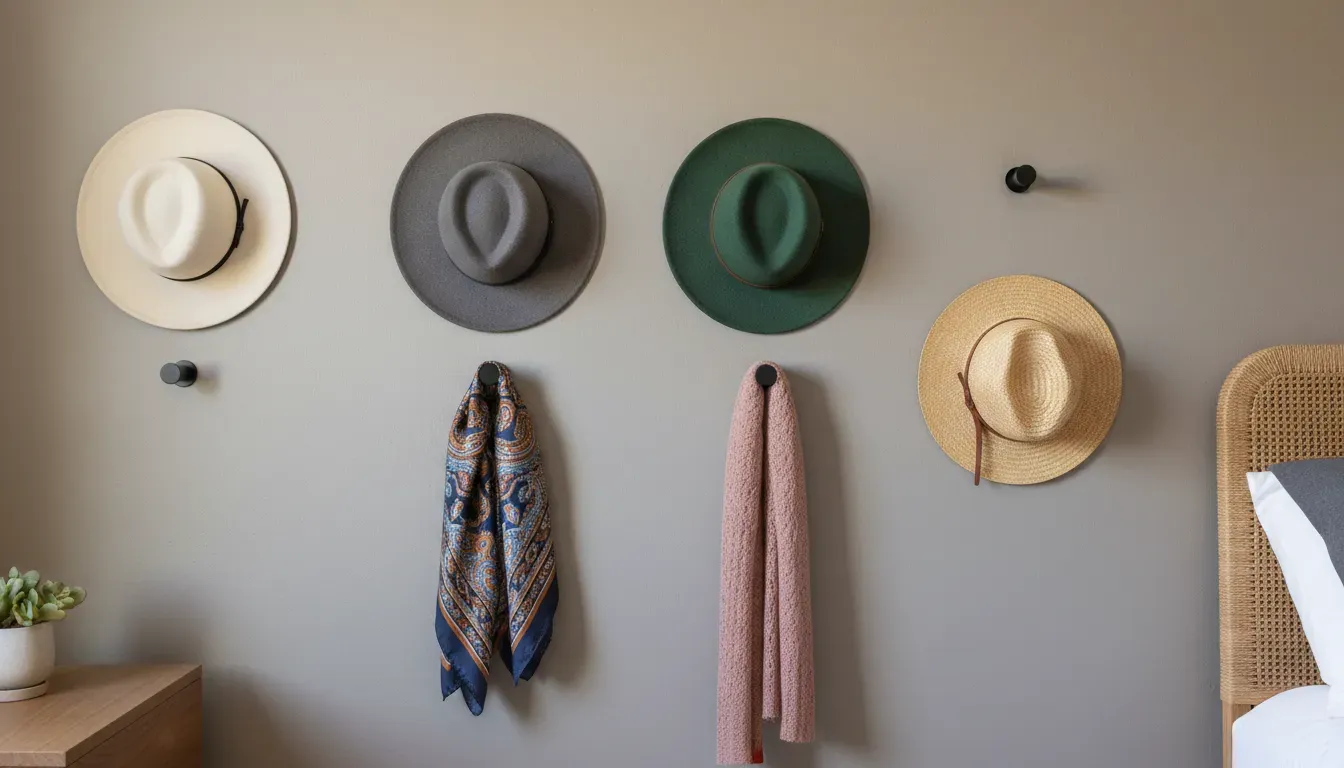
Hats are notoriously difficult to store. If stacked, they lose their shape; if thrown on a shelf, they collect dust. Wall hooks provide the perfect solution for hat enthusiasts. arranging fedoras, sun hats, and baseball caps on a wall creates a striking visual feature while preserving the structure of the brim.
Space the hooks out in a geometric pattern to create a gallery wall effect. This approach works exceptionally well in bedrooms or walk-in closets, merging storage with personal expression.
Part 4: Bathroom and Laundry Efficiency
Bathrooms and laundry rooms are typically the smallest rooms in the house, yet they require the storage of numerous items. Humidity and hygiene are also factors here, making airflow critical.
10. The Towel Drying Solution
Towel bars are standard, but they are not always the most efficient use of space, especially in shared bathrooms. A row of hooks takes up less horizontal wall space than a bar and can accommodate more towels. While some argue that towels dry slower on hooks, using “double hooks” or ensuring adequate spacing allows for sufficient airflow.
This setup is particularly beneficial for families. Assigning a different hook (perhaps even different styles or initialed hooks) to each family member reduces confusion and laundry loads.
For durable, rust-resistant options suitable for damp environments, look for high-quality hardware.
View Heavy Duty Matte Black Wall Hooks on Amazon
11. Hair Tool Management
Blow dryers, curling irons, and straighteners are bulky and possess cords that tangle easily. Furthermore, putting a hot tool away in a cabinet can be a fire hazard or damage shelf liners. Heat-resistant hooks or organizers specifically designed for hair tools can be mounted on the side of a vanity or inside a cabinet door. This keeps counters clear and allows tools to cool down safely out of reach of children.
12. Laundry Room Utility
In the laundry room, hooks are indispensable. Use them to hang an ironing board flush against the wall, freeing up floor space. They are also perfect for hanging mesh laundry bags for delicates—one for lights, one for darks. Additionally, installing a retractable hook or a swing-arm rack allows you to hang damp shirts immediately out of the washing machine to air dry, reducing the need for ironing later.
Part 5: Living Areas and Home Office
Integrating storage into living spaces without making them look like utility rooms requires a delicate touch. The key here is to choose organizers that align with your furniture and decor style.
13. Cord and Cable Management
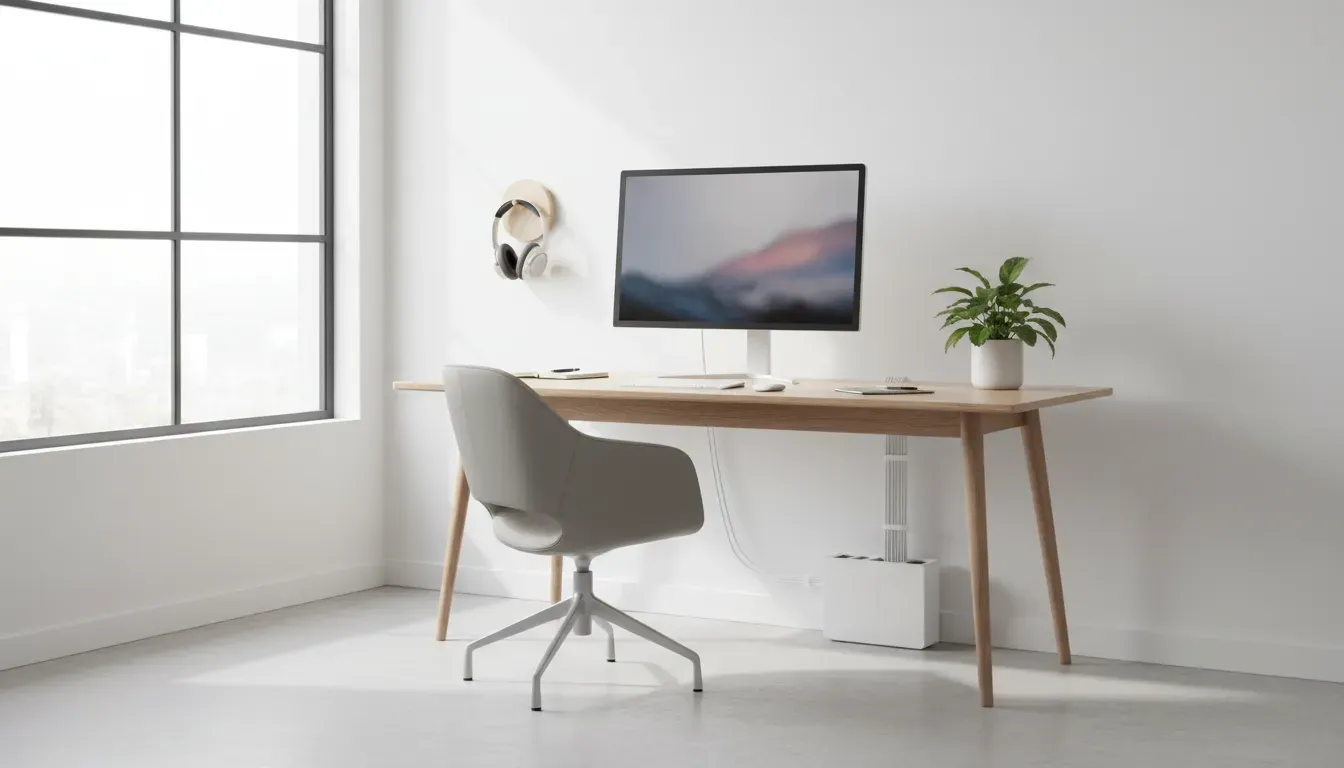
In the home office, cables are the enemy of focus. While not a traditional “hook” usage, using small, adhesive command hooks on the back of desks or along baseboards can guide charging cables and prevent them from slipping onto the floor. For headphones, a dedicated hook under the desk or on the wall keeps expensive audio gear safe and the workspace uncluttered.
14. Vertical Greenery
Houseplants bring life to a room, but they also take up surface area. Wall hooks are excellent for suspending macramé plant hangers or mounting wall planters. This creates a “living wall” effect that draws the eye upward, making ceilings feel higher and rooms feel larger. Ensure you use anchors appropriate for the weight of the soil and water.
15. The Rotating Art Gallery
For a creative twist, use hooks to hang clipboards or frames on a wire. This allows you to rotate art, photos, or children’s drawings without putting new holes in the wall every time you want a change. It is a casual, dynamic way to display memories and art that can evolve with your taste.
Essential Installation Tips
To ensure your creative storage solutions remain safe and secure, proper installation is non-negotiable. A hook that pulls out of the drywall creates more damage and clutter than it solves.
Weight Capacity Matters
Always check the weight rating of the hooks you purchase. A hook designed for a key ring cannot support a cast-iron skillet.
- Lightweight (Keys, Jewelry): Adhesive strips or small nails are usually sufficient.
- Medium Weight (Towels, Bags): Plastic drywall anchors are necessary if you cannot find a stud.
- Heavy Weight (Cast Iron, Tools, heavy coats): You must mount these into a wall stud or use high-capacity toggle bolts.
Spacing and Ergonomics
Before drilling, visualize the items in place. If you are hanging coats or bags, they have width. spacing hooks too closely will result in a bulky, unusable cluster.
- Standard spacing: 8 to 12 inches apart for bulky items.
- Height: Mount entryway hooks at varying heights—one row at 60-65 inches for adults and another at 40-45 inches for children or bags.
Material Selection
Match the hardware to the room’s humidity level. In bathrooms and kitchens, opt for stainless steel, brass, or treated wood to prevent rust and warping. In bedrooms and living areas, you have more freedom to experiment with decorative materials like ceramic, leather, or untreated iron.
For a versatile solution that combines shelf space with hanging utility, consider an all-in-one organizer.
Discover Entryway Organizer Shelves with Hooks on Amazon
Conclusion
The transition from a cluttered home to an organized sanctuary does not always require expensive renovations or bulky furniture. Often, it requires looking at your vertical space with fresh eyes. By taking the humble entryway hook and applying it creatively across different zones of your home—from the kitchen backsplash to the bedroom door—you can unlock storage potential you never knew existed.
These fifteen strategies demonstrate that functionality and aesthetics are not mutually exclusive. Whether you are creating a coffee bar, organizing jewelry, or streamlining your laundry process, the right wall organizer is a powerful tool in your design arsenal. Start small, perhaps with a single rail in the kitchen or a key station in the foyer, and expand as you experience the calm that comes with everything having its place.
For more insights on optimizing your home’s entrance, read our guide on Small Entryway Storage Hacks to continue your organizational journey. By thinking beyond the coat, you open the door to a home that is as efficient as it is welcoming.