
Coastal Charm: Woven Entryway Benches with Storage for Light Spaces
Discover how woven entryway benches combine storage and coastal aesthetics to create organized, serene, and light-filled foyers that welcome guests.
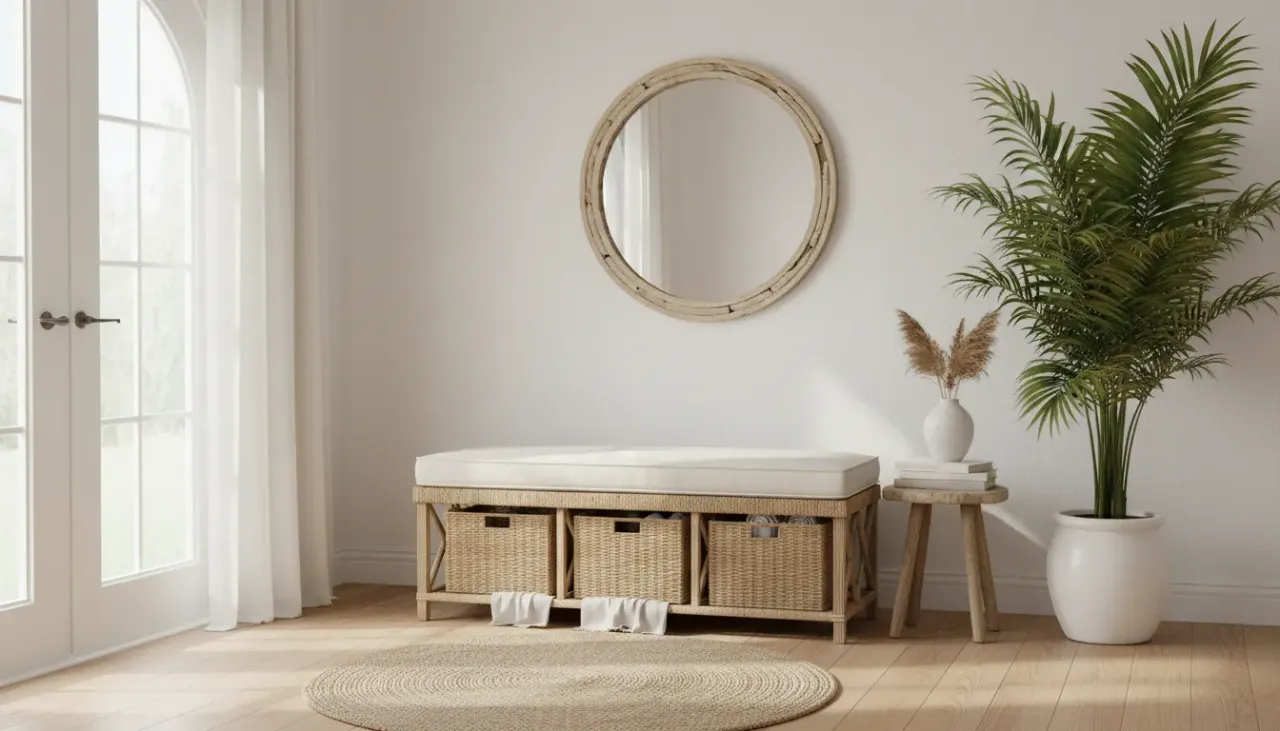
Feb 3, 2026 - Written by: linda wise

The entryway serves as the handshake of the home—a preliminary introduction to your interior narrative. It sets the tone for what lies beyond, bridging the exterior world with your private sanctuary. In contemporary interior design, the coastal aesthetic has evolved beyond kitschy nautical motifs into a sophisticated appreciation for light, organic textures, and effortless serenity. Central to this look is the utilization of furniture that offers both visual warmth and utilitarian function.
For homeowners seeking to maintain an airy, clutter-free environment, the woven entryway bench represents the perfect intersection of form and function. By incorporating natural fibers such as rattan, seagrass, or water hyacinth into a storage solution, you can anchor a light space without weighing it down with heavy, opaque cabinetry. This guide explores the strategic selection, placement, and styling of woven storage benches designed to enhance light-filled foyers.
The Philosophy of the Coastal Entryway
Coastal design is fundamentally about capturing the essence of the shoreline: the bleached tones of driftwood, the granular texture of sand, and the reflective quality of water. However, translating this into a functional entryway requires a delicate balance. A “light space” does not necessarily mean stark white walls; rather, it refers to a feeling of spaciousness and breathability.
The Role of Texture in Monochromatic Spaces
When working with light color palettes—creams, off-whites, soft greys, and pale blues—texture becomes the primary vehicle for visual interest. A smooth, white-lacquered bench in a white hallway can feel clinical or flat. Conversely, a bench featuring woven baskets or a loom-wrapped frame introduces immediate warmth and complexity. The interplay of light and shadow across the weave creates depth, preventing the space from feeling sterile.
This tactile quality is why designers frequently turn to woven materials for entryway organization. The organic irregularities in woven fibers ground the space, offering a natural counterpoint to smooth drywall and hard flooring surfaces like tile or hardwood.
Analyzing Woven Materials: Durability and Aesthetics
Not all woven benches are created equal. Understanding the source material is crucial for determining durability, especially in a high-traffic zone like the mudroom or foyer where the furniture must withstand daily use.
Rattan and Wicker
While often used interchangeably, “wicker” refers to the method of weaving, while “rattan” is the material itself—a vine-like palm native to tropical regions. Rattan is incredibly strong and lightweight. For entryway benches, look for “kubu” rattan, which possesses a natural grey-brown hue that fits seamlessly into modern coastal interiors without requiring artificial stains.
Seagrass and Water Hyacinth
These materials offer a chunkier, more rustic texture compared to the tighter weave of rattan. They are often braided into thick ropes before being woven into baskets or bench frames. Seagrass is naturally stain-resistant, making it an excellent choice for storage baskets that might hold muddy shoes or outdoor gear. However, water hyacinth is more porous and should be kept in dry environments, away from direct moisture.
Loom and Paper Rope
For a more refined, mid-century modern take on the coastal look, loom furniture (woven wire wrapped in paper) offers a smoother, more uniform appearance. This is ideal for formal entryways where the rugged look of raw seagrass might feel too casual.
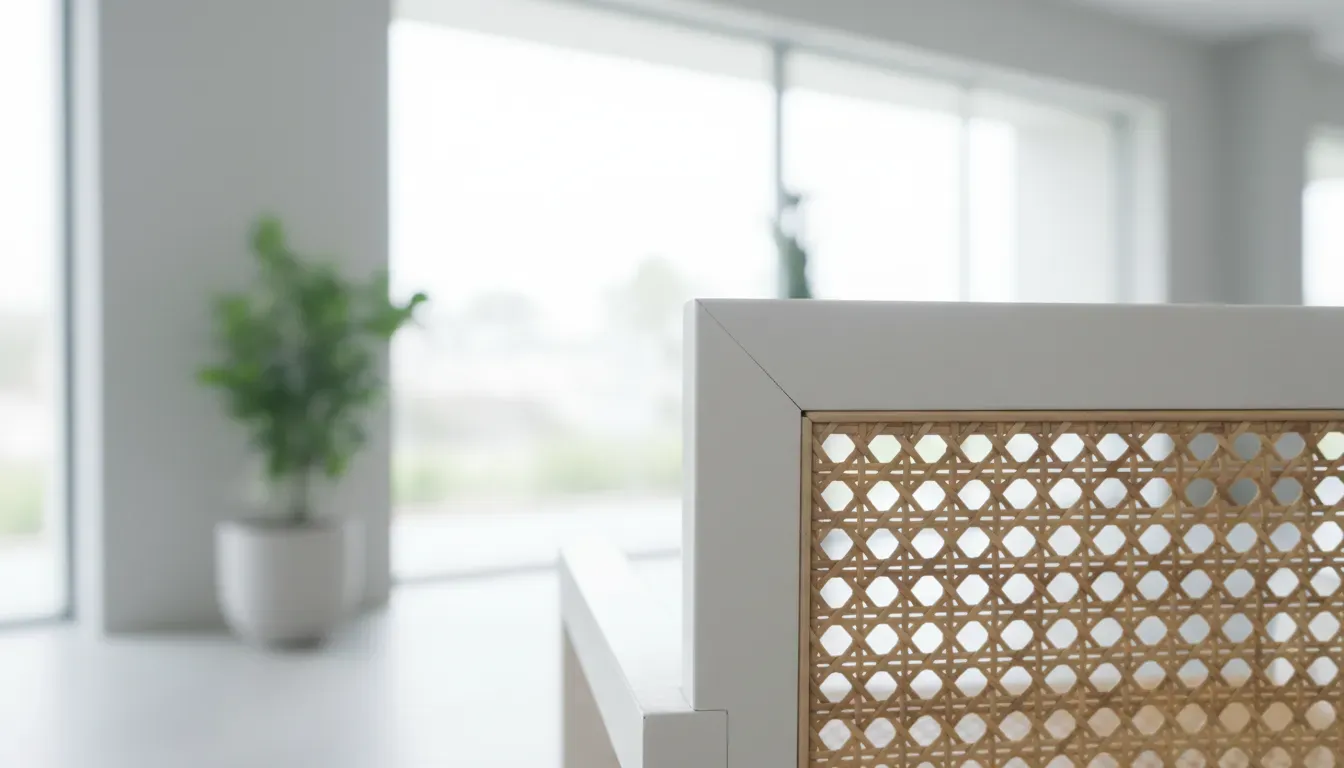
Structural Designs for Maximum Storage
The primary allure of these benches is their dual-purpose nature. They provide a seating area for removing shoes while simultaneously concealing the clutter that inevitably accumulates at the front door. There are three dominant structural archetypes to consider.
The Open Cubby System
This is the most versatile option for coastal homes. The bench structure is typically made of wood (often painted white, cream, or a light natural stain) and features open compartments housing removable woven baskets.
The advantage here is flexibility. You can remove a basket to carry laundry or organize items elsewhere. Furthermore, the baskets hide the contents entirely, ensuring that the visual “noise” of mismatched sneakers, dog leashes, and umbrellas is eliminated. For a classic coastal look, seek out white wood frames paired with honey-toned wicker baskets.
For those looking to replicate this specific aesthetic, consider exploring options that combine solid wood structures with natural fiber drawers.
Shop Coastal Storage Benches with Wicker Baskets
The Flip-Top Trunk
The trunk-style woven bench offers a cleaner silhouette. The entire base is woven, giving the appearance of a large chest. The seat lifts on hinges to reveal a deep storage cavity. This is ideal for storing bulkier seasonal items, such as heavy winter coats in the summer or beach towels and picnic blankets.
While aesthetically pleasing, the flip-top design is less convenient for daily shoe storage, as it requires the user to stand up and clear the seat to access the contents. It is best suited for “overflow” storage rather than the primary “drop zone.”
The Drawer-Based Console
A hybrid approach involves benches with woven drawer fronts on gliding tracks. This offers the durability of standard cabinetry with the aesthetic facing of natural fiber. These units are often more robust and easier to operate than sliding baskets, which can scratch the shelf paint over time if not lined with felt pads.
Designing for “Light Spaces”: Color and Proportion
To maintain the “light space” aesthetic, the visual weight of the furniture is just as important as the physical dimensions.
Leg vs. Plinth Base
In smaller entryways or narrow hallways, choose a bench with legs rather than a solid plinth base that sits directly on the floor. Seeing the floor continue underneath the furniture tricks the eye into perceiving the room as larger. A bench with tapered wooden legs and a woven top or shelf maintains an airy profile.
The White and Wood Combination
The quintessential coastal palette combines white structural elements with natural wood or woven accents. This “high contrast” is not jarring; rather, it mimics the relationship between white clouds and golden sand. A bench painted in a crisp “Chantilly Lace” or “Decorator’s White” with natural rattan drawers reflects natural light, amplifying the brightness of the foyer.
For a more organic, bohemian coastal vibe, consider benches made entirely of light-toned woods like ash, maple, or whitewashed mango wood, featuring woven seagrass seating areas.
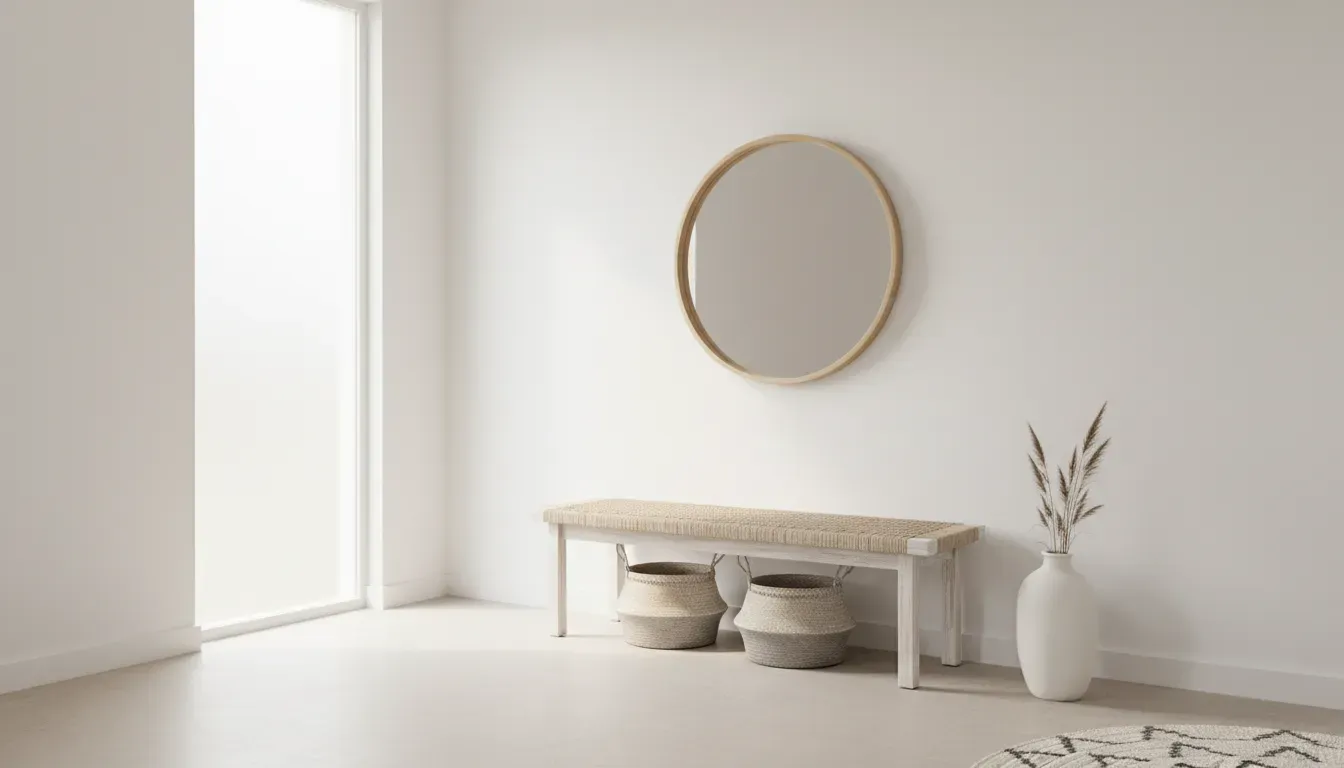
Functional Styling: The Drop Zone Concept
A woven bench is only one component of a functional entryway. To truly optimize the space, you must create a comprehensive “drop zone” that anticipates the needs of the household upon arrival.
The Rule of Three in Accessories
When styling the top of the bench (assuming it is not being used exclusively for seating), apply the rule of three. Group items in odd numbers to create visual harmony. For example:
- Height: A tall glass vase with dried pampas grass or palm leaves.
- Softness: A textured throw pillow in a performance fabric (linen or outdoor canvas).
- Utility: A small tray for keys or sunglasses.
However, in most entryways, the bench is for sitting. In this case, restrict styling to throw pillows pushed to the sides, ensuring the seating area remains accessible.
Vertical Integration: Hooks and Mirrors
Above the bench, vertical wall space should be utilized to draw the eye upward, increasing the perceived ceiling height. A large, round mirror is a staple of coastal design. It reflects light from the doorway deeper into the home and allows for a final appearance check before leaving.
Flanking the mirror or placed above the bench, install hooks for immediate access to jackets and bags. To keep the look consistent, choose hooks in brushed brass, matte black, or natural wood pegs.
For those seeking a comprehensive furniture piece that combines these elements, consider a hall tree that integrates the woven bench into a larger vertical unit.
Shop Hall Trees with Woven Storage Elements
Navigating Narrow Spaces
Many coastal homes, particularly cottages and bungalows, feature narrow entry corridors rather than expansive foyers. In these instances, depth is the critical dimension. Standard benches are often 18 to 20 inches deep, which can impede traffic flow in a hallway less than 48 inches wide.
Look for “slim-profile” benches with depths of 12 to 15 inches. While these may not accommodate large men’s boots in a forward-facing orientation, baskets can often be turned sideways, or the bench can serve primarily as a surface for bags and a perch for putting on sandals.
The Illusion of Space
If the entryway is particularly tight, avoid dark-colored weaves. Dark espresso rattan or black wicker absorbs light and creates a visual void. Stick to natural, bleached, or grey-washed fibers that blend with the wall color. The goal is for the bench to feel like an architectural extension of the room, not an obstacle within it.
Care and Maintenance of Woven Furniture
Maintaining the pristine look of woven furniture in a high-traffic area requires specific care protocols. The intricate weave of rattan and seagrass is a magnet for dust and pet hair.
Dusting and Vacuuming
Regular dusting is essential to prevent grime from becoming embedded in the crevices of the weave. Use a vacuum cleaner with a soft brush attachment to gently suction dust from the fibers. Avoid using stiff bristles that could fray the material. For deeper cleaning, a soft toothbrush can dislodge stubborn debris.
Humidity Control
Natural fibers are hygroscopic, meaning they absorb and release moisture from the air. In very dry environments, rattan can become brittle and crack. In highly humid coastal environments, water hyacinth can develop mold if not properly ventilated. Ensure your entryway has adequate airflow. If you live in a particularly dry climate, wiping the bench down occasionally with a barely damp cloth can keep the fibers pliable.
Protecting the Weave
To prolong the life of the storage baskets, consider lining the bottom with felt or a removable fabric liner. This prevents dirt from shoes from sifting through the weave onto the floor below and protects the fibers from being snagged by zippers or buckles.
Top Recommendations for Coastal Entryways
When selecting a bench, define your primary need: Is it concealing clutter, providing a sturdy seat, or acting as a decorative anchor?
- The Minimalist: A simple, backless bench with a white wood frame and three seagrass baskets. This fits under windows and keeps sightlines open.
- The Comfort-First: A bench with a high back and upholstered seat cushion, featuring drawers underneath. This invites guests to sit and linger.
- The Rustic: A solid reclaimed wood bench with a lower shelf housing oversized wicker crates. This suits the “modern farmhouse” variation of coastal style.
For a versatile option that bridges the gap between modern and coastal, look for benches featuring clean lines and neutral upholstery.
Shop Modern Coastal Entryway Benches with Cushions
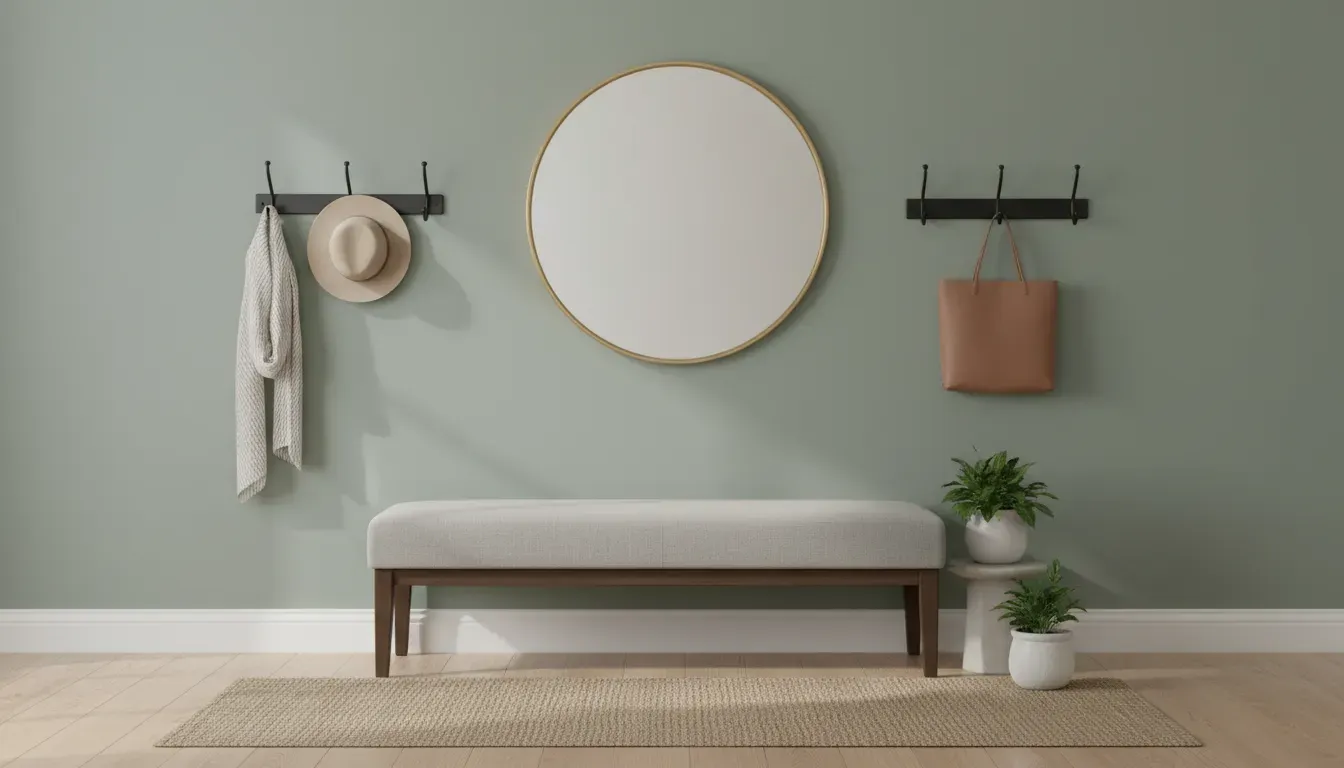
Integrating with Other Home Systems
Your entryway bench does not exist in a vacuum. It should coordinate with adjacent spaces. If your living room features a hidden shoe storage system, ensure the wood tones match or complement one another. If your staircase is nearby, the bench material should harmonize with the banister or stair treads.
Furthermore, consider the flooring. If you have a woven jute rug in the entryway, a bench made of the exact same material might look redundant. Instead, opt for a painted wood bench with woven baskets to create a subtle variation in texture while remaining within the same family of materials.
Conclusion
The entryway sets the expectation for the rest of the home. By selecting a woven entryway bench with storage, you champion a design philosophy that values both aesthetics and practicality. These pieces introduce necessary texture into light, monochromatic spaces, preventing them from feeling cold or empty. They offer a discreet solution for the daily accumulation of life’s accessories—shoes, bags, and outdoor gear—while providing a welcoming spot to pause upon entering or leaving.
Whether you opt for the rugged charm of seagrass or the refined elegance of loom, the woven bench is a staple of coastal interior design that promises to elevate the organization and ambiance of your home. It transforms a pass-through space into a destination, proving that even the most utilitarian areas of the home deserve to be beautiful.