
Heavy-Duty Entryway Benches with Storage Built for the Mudroom
Discover the best heavy-duty entryway benches with storage. Learn how to choose durable mudroom furniture that combines robust seating with smart organization.
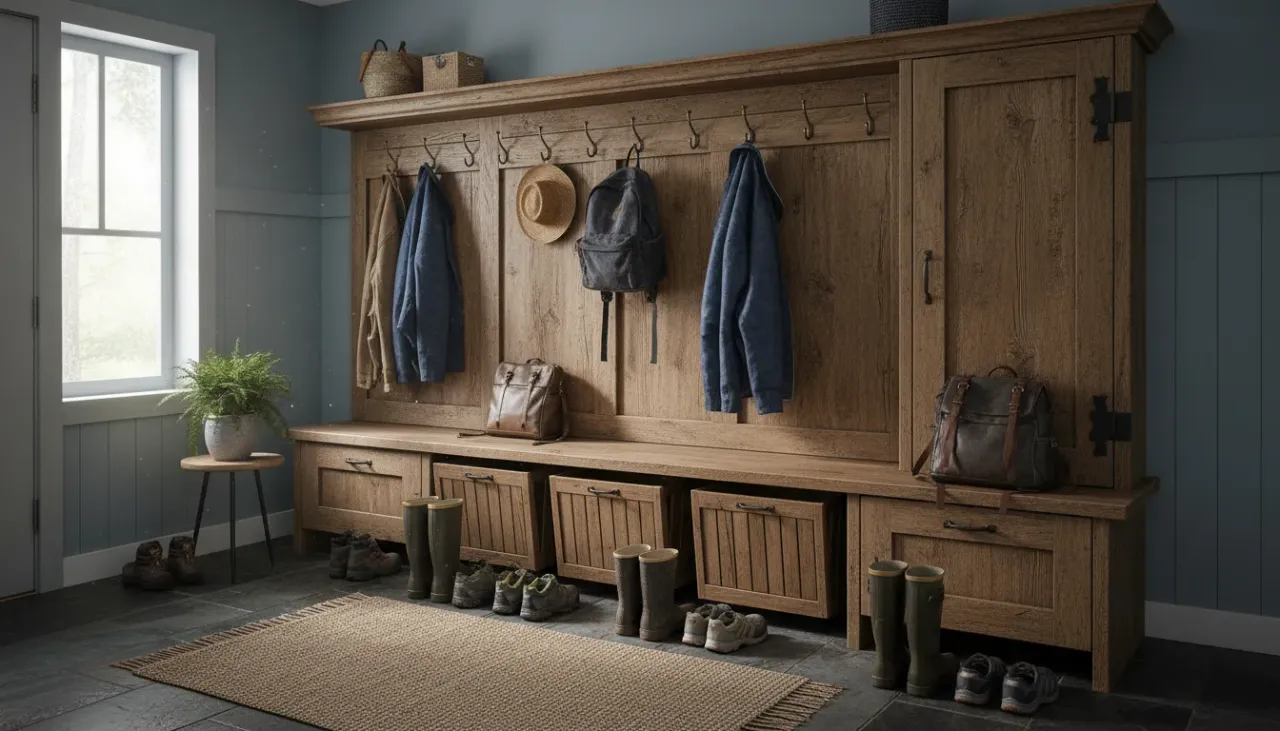
Feb 3, 2026 - Written by: linda wise

The mudroom is the unsung workhorse of the modern home. It is the transitional zone where the chaos of the outside world meets the sanctuary of the interior. Unlike a formal foyer, which exists primarily for aesthetics, the mudroom must endure a relentless barrage of heavy boots, wet coats, dropped backpacks, and daily traffic. Consequently, the furniture placed in this space requires a specific caliber of durability.
Standard particle-board furniture often crumbles under the pressure of a busy household. For homeowners seeking longevity and functionality, a heavy-duty entryway bench with storage is not merely a purchase; it is an investment in infrastructure. This guide explores the engineering, materials, and design philosophies required to select a bench that can withstand years of rigorous use while keeping your entryway organized.
Defining “Heavy-Duty”: Structural Integrity in Furniture
When browsing furniture listings, the term “heavy-duty” is frequently used as a marketing buzzword rather than a technical specification. However, true durability is quantifiable. A bench built for the mudroom must support significant static and dynamic loads.
Weight Capacity Fundamentals
The primary metric for a heavy-duty bench is its weight capacity. Standard decorative benches often cap out at 200 to 250 pounds. While this may suffice for a single person sitting gingerly to tie a shoe, it is inadequate for a mudroom environment. A robust bench should support a minimum of 350 to 500 pounds. This allows two adults to sit simultaneously or permits a heavy object—such as a loaded toolbox or a suitcase—to be placed on the seat without compromising the joinery.
High weight capacity is achieved through superior material selection and reinforcement. Look for benches that feature center support legs or a solid box-frame construction. The absence of wobbling when lateral force is applied is a hallmark of quality engineering.
Joinery and Hardware
The longevity of a storage bench is often determined by how it is put together. Heavy-duty furniture avoids simple staples and glue. instead relying on mechanical fasteners and advanced joinery techniques.
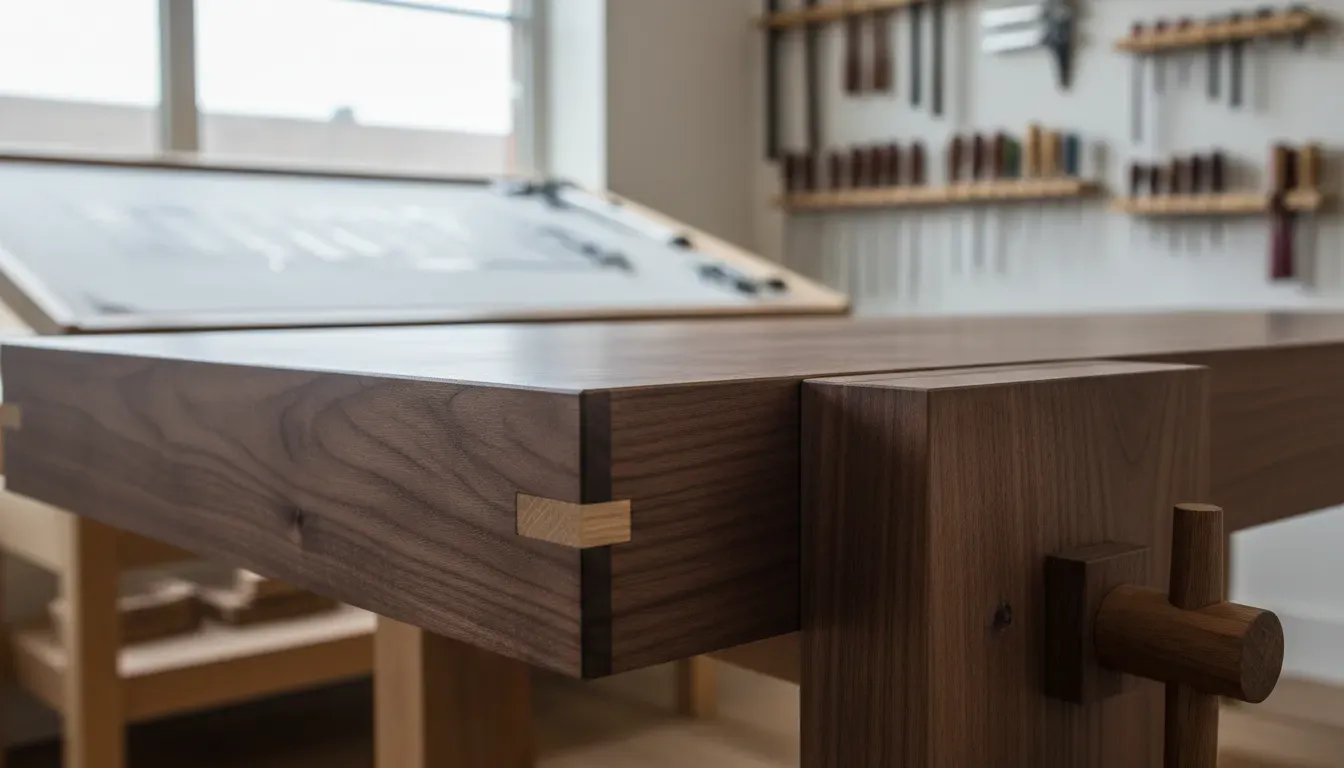
- Mortise and Tenon: This ancient method of joining wood is incredibly strong and resistant to twisting, making it ideal for the main frame of the bench.
- Metal-to-Metal Connections: For benches that require assembly, bolts that thread into metal inserts are far superior to wood screws, which can strip out over time.
- Reinforced Corners: Corner blocks added to the interior of the frame prevent the bench from racking (leaning side-to-side) over years of use.
Material Selection: The Foundation of Durability
The environment of a mudroom is hostile. It is subject to fluctuations in humidity, direct contact with water and mud, and the abrasive friction of denim and zippers. Therefore, the material of your bench dictates its lifespan.
Solid Wood vs. Engineered Products
While Medium Density Fiberboard (MDF) and particle board are affordable, they are hydroscopic, meaning they absorb moisture like a sponge. In a mudroom where wet umbrellas and snowy boots are common, MDF will eventually swell, warp, and crumble.
For a heavy-duty application, solid hardwoods or high-grade plywood are superior choices.
- Hardwoods: Oak, maple, and walnut have high Janka hardness ratings, making them resistant to dents and scratches.
- High-Grade Plywood: Unlike particle board, furniture-grade plywood is dimensionally stable and incredibly strong due to its cross-grain layering.
- Acacia and Teak: These woods are naturally water-resistant, making them excellent choices for homes in wet or snowy climates.
Metal Components
Industrial-style benches often utilize metal frames. Powder-coated steel is the gold standard here. The powder coating process creates a hard finish that is tougher than conventional paint, resisting rust and chipping. When selecting a metal bench, examine the gauge of the steel. Lower gauge numbers indicate thicker, stronger metal. A tube steel frame provides exceptional rigidity without the bulk of solid wood.
For those who appreciate the blend of rugged durability and aesthetic appeal, industrial designs are often the best bet. They frequently combine heavy steel frames with thick wood slabs.
Shop Industrial Metal Entryway Benches with Shoe Storage
Storage Configurations: Analyzing Utility
A bench that is strong but offers no organization is a wasted opportunity. The “storage” aspect of a heavy-duty bench must be as robust as the seating. There are three primary configurations to consider, each serving a different organizational philosophy.
The Flip-Top Storage Bench
The flip-top bench features a hinged seat that opens to reveal a deep internal cavern. This is the traditional “toy box” style design.
- Pros: It offers maximum volume for bulky items like heavy winter blankets, sports equipment, or off-season gear. It creates a clean visual aesthetic because the clutter is entirely hidden.
- Cons: It is not ideal for frequently accessed items. You cannot retrieve items while someone is sitting on the bench.
- Durability Factor: The weak point in these benches is the hinge. Heavy-duty models must use piano hinges (which run the full length of the lid) or hydraulic safety hinges that prevent the heavy lid from slamming shut on fingers.
The Cubby and Basket System
This configuration utilizes open shelving beneath the seat, often sized to fit standard baskets or bins.
- Pros: It offers high accessibility. Family members can slide a basket out to retrieve gloves or hats without disturbing the person seated. It allows for categorization (one basket per family member).
- Cons: It can look cluttered if the baskets are not uniform.
- Durability Factor: The vertical dividers between cubbies act as load-bearing supports, often making these benches incredibly stable.
Drawer-Based Storage
Benches with integrated drawers offer the best of both worlds: hidden storage with easy access.
- Pros: Ideal for small items like keys, dog leashes, and mail. Keeps dust off stored items.
- Cons: Drawers reduce the overall interior volume compared to a flip-top.
- Durability Factor: The drawer slides are the critical component. Heavy-duty benches should feature ball-bearing slides rated for at least 50 pounds to ensure smooth operation even when the drawer is full.
The Hall Tree: Expanding Vertical Storage
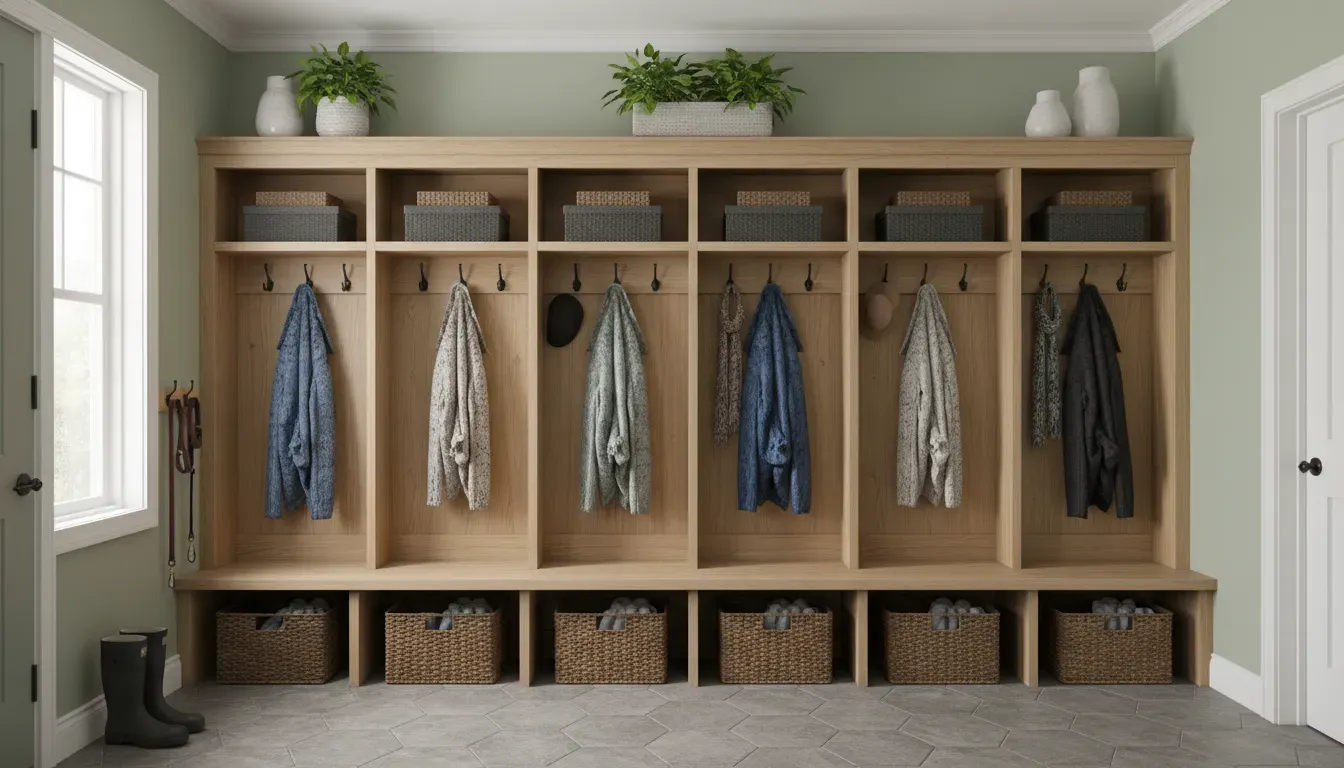
Sometimes, a bench alone is insufficient for a bustling mudroom. A hall tree integrates a heavy-duty bench with a vertical back panel featuring hooks and often overhead storage. This creates a self-contained “locker” for the home.
A robust hall tree must be engineered to prevent tipping. Because of the height and the weight of coats hanging on the upper hooks, the base (the bench) must be substantial and heavy to lower the center of gravity. Furthermore, wall anchoring is non-negotiable for these units.
The structural connection between the bench and the vertical back panel is critical. In cheaper models, this connection is flimsy, leading to a wobbling backboard. Heavy-duty models use extended vertical supports that run from the floor to the top of the unit, integrating the bench into a single, cohesive frame.
If you are looking for an all-in-one solution that provides seating, hanging space, and shelf storage, opting for a solid wood hall tree is a strategic move for maximum organization.
Shop Solid Wood Hall Tree with Storage Bench
Sizing and Ergonomics for the Mudroom
Selecting the right size bench is a balance between the available floor space and the required utility. A bench that is too deep will encroach on the walkway, creating a bottleneck in the entryway. A bench that is too shallow will be uncomfortable to sit on.
Depth and Height
- Standard Depth: Most benches range from 15 to 18 inches deep. This provides enough surface area for a comfortable seat without protruding too far into the room.
- Standard Height: A seat height of 18 to 20 inches is standard for dining chairs and benches. This height is ergonomic for the average adult to sit and stand easily. If the bench is primarily for children, a lower height or a step-stool accessory might be necessary.
Width and Scale
The width of the bench should be proportional to the wall it rests against. A tiny bench on a large wall looks lost, while an oversized bench in a narrow hallway feels oppressive. Measure your space carefully. Allow at least 30 inches of clearance in front of the bench for walking and for legs to extend while sitting.
If you are dealing with a tight space, consider reading our guide on small entryway organization to maximize every square inch.
Aesthetics Meets Function: Style Profiles
Just because a bench is built like a tank doesn’t mean it has to look like one. Heavy-duty benches are available in a variety of aesthetic profiles that can complement your home’s interior design.
Modern Farmhouse
The farmhouse aesthetic is synonymous with mudrooms. It emphasizes rustic woods, distressed finishes, and sturdy construction. “Chunky” legs and X-brace details are common. These design elements are not just decorative; the X-brace adds significant structural rigidity to the frame.
Mid-Century Modern
For a sleeker look, mid-century designs use tapered legs and clean lines. While traditionally lighter in appearance, heavy-duty versions use solid walnut or oak and reinforced sub-frames to handle weight.
Industrial Minimalism
As mentioned earlier, the combination of steel and wood is inherently strong. These benches often feature open lower shelves made of metal grating, which is excellent for wet shoes as it allows air circulation and prevents water from pooling.
For those who lean toward the rustic or country aesthetic, a farmhouse-style bench with a high weight capacity can serve as a beautiful focal point.
Shop Heavy Duty Farmhouse Storage Bench
Maintenance: Protecting Your Investment
Even the most durable bench requires care to maintain its appearance and structural integrity. In a mudroom, the primary enemies are moisture, salt (in winter climates), and grit.
Waterproofing and Sealing
If you purchase a solid wood bench, ensure it is sealed with a high-quality polyurethane or varnish. If the finish wears down over time, water from wet coats or boots can penetrate the grain, causing swelling. Re-sealing the wood every few years is a simple DIY task that extends the life of the furniture indefinitely.
Dealing with Road Salt
In snowy regions, road salt tracked in on boots can wreak havoc on wood finishes and cause metal to corrode.
- Wood: Wipe up saltwater immediately. If a white haze appears, a mixture of vinegar and water can help neutralize the salt before re-polishing.
- Metal: Ensure any scratches in powder-coated metal are touched up with appropriate paint to prevent rust from taking hold.
Protecting the Floor
A heavy bench loaded with gear exerts significant pressure on the floor. Always use felt pads or rubber glides under the legs to prevent scratching hardwood or cracking tile. For benches that sit on rugs, ensure the rug does not cause the bench to become uneven, which can stress the joints.
DIY vs. Retail: Is Custom Worth It?
For many homeowners, the search for the perfect heavy-duty bench leads to a crossroads: buy a retail product or commission a custom built-in.
The Retail Advantage
Buying a retail bench offers immediacy and flexibility. You can move the bench to a different room or a new house. The market for heavy-duty furniture has expanded, and high-quality options are available that rival custom work in durability, often at a lower price point.
The Built-In Solution
Built-in benches maximize space utilization. They can be anchored directly to the wall studs, providing unparalleled stability. However, they are permanent. They cannot be moved, and they require a significant upfront cost for carpentry and finishing.
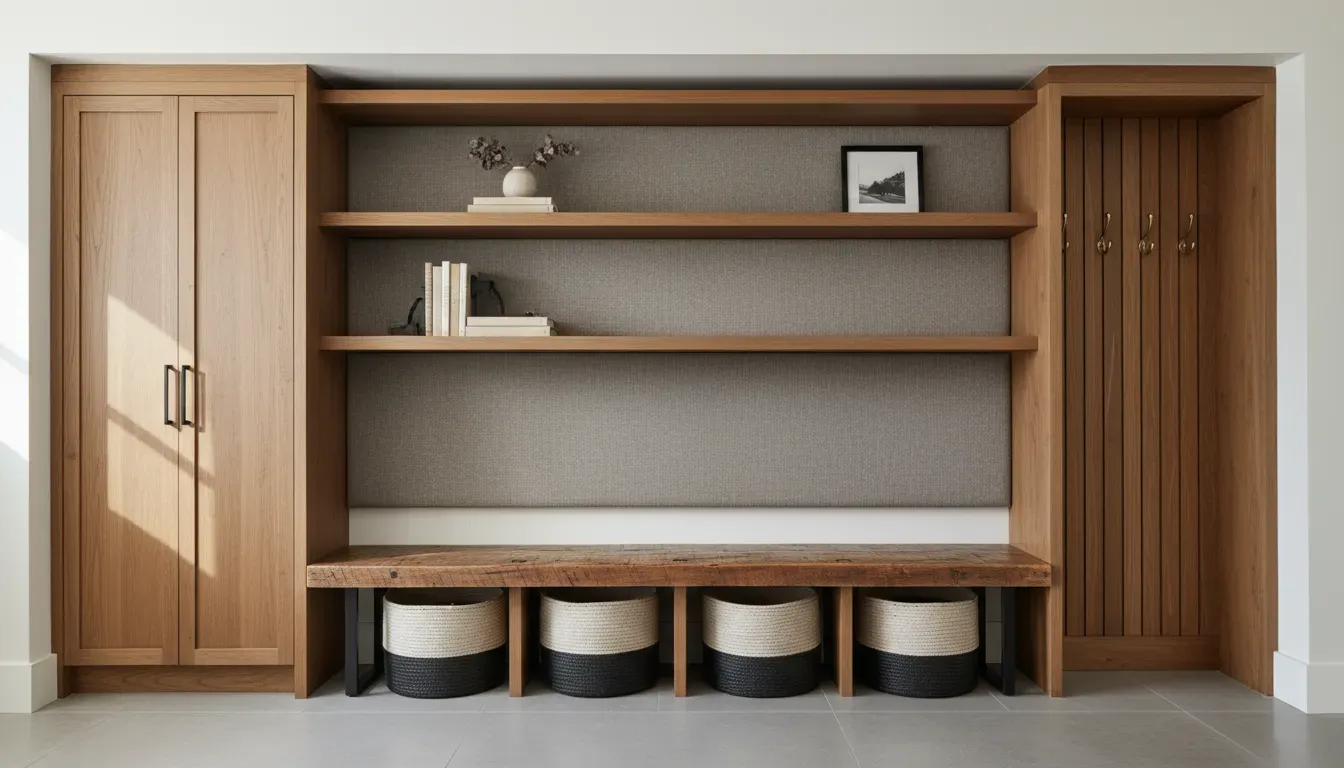
If you opt for a standalone bench but want a built-in look, consider flanking the bench with tall bookcases or lockers and adding a shelf above to bridge the gap. This creates the visual weight of a built-in unit with the flexibility of freestanding furniture.
Organizing the Interior of Your Bench
To truly leverage the “storage” part of your storage bench, internal organization is key. A large open cavity can quickly become a black hole for clutter.
- Binning: Use clear or labeled bins inside flip-top benches to separate items (e.g., “Winter Hats,” “Dog Gear,” “Sports”).
- Shoe Separators: If utilizing a cubby bench, ensure that boots fit. Some benches offer adjustable shelves. Remove a shelf to create a taller space for Wellingtons or riding boots.
- Scent Management: Mudrooms can harbor odors. Place cedar blocks or small sachets of activated charcoal inside the bench storage compartments to absorb moisture and odors from shoes.
For more tips on managing household clutter, check out our insights on decluttering high-traffic zones.
Conclusion: The Anchor of the Entryway
A heavy-duty entryway bench with storage is more than a place to sit; it is the anchor of your mudroom’s organization. It bridges the gap between the rugged outdoors and the comfort of your home. By prioritizing weight capacity, solid materials like hardwoods and steel, and intelligent storage configurations, you can secure a piece of furniture that serves your family for generations.
Whether you choose a sleek industrial metal bench or a robust wooden hall tree, the key is to look past the surface aesthetics and inspect the engineering. In the mudroom, durability is the ultimate luxury. Choose wisely, and your entryway will remain a functional, welcoming space regardless of the weather outside or the chaos of the day.