
How to Keep Your Entryway Benches with Storage Clean and Organized Year-Round
Master the art of entryway organization. Learn expert strategies to keep your storage bench clutter-free, clean, and stylish through every season.
Feb 3, 2026 - Written by: linda wise

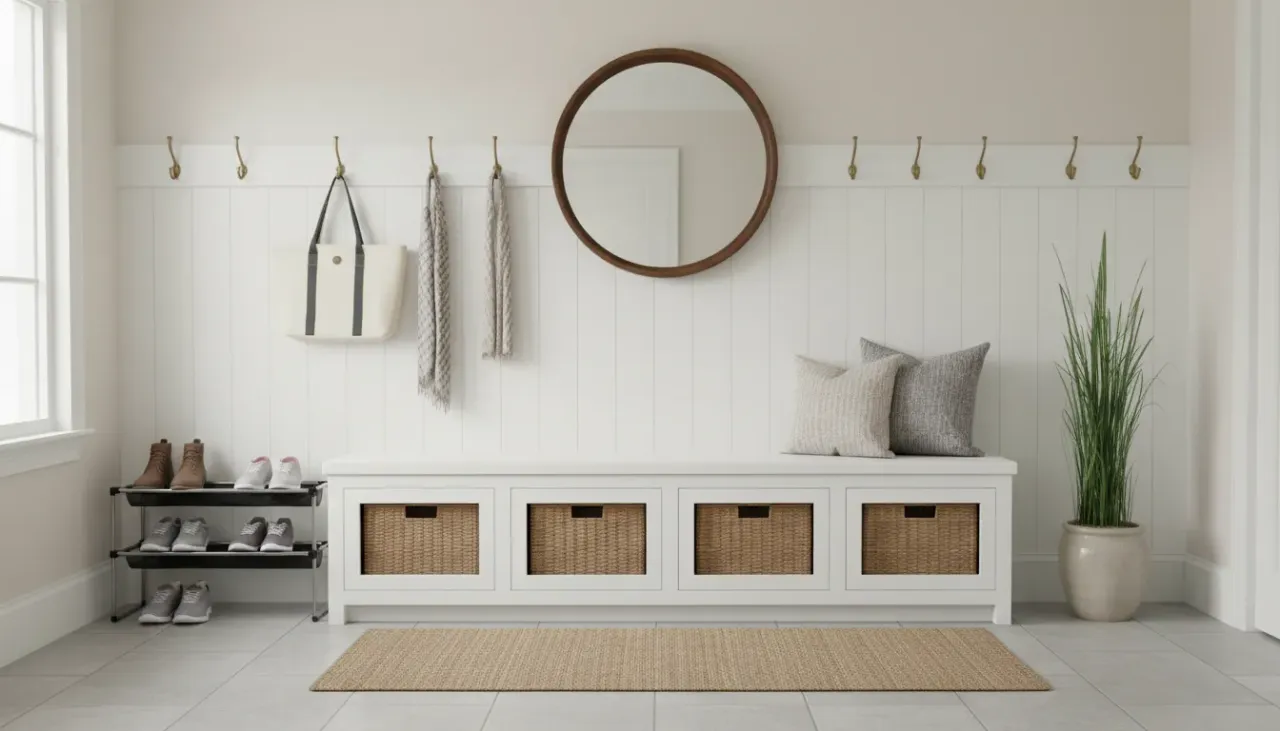
The entryway is more than just a transitional space; it is the prologue to your home. It sets the tone for the rest of your interior design and serves as the primary checkpoint for everything entering and leaving your life. Central to many well-appointed foyers is the storage bench—a versatile piece of furniture that promises the dual benefits of seating and organization. However, without a meticulous strategy, this functional asset can quickly devolve into a chaotic catch-all for mail, discarded shoes, and seasonal debris.
maintaining a pristine entryway bench requires more than occasional tidying; it demands a systematic approach to organization and a commitment to material care. Whether you possess a rustic wooden bench with cubbies or a sleek, upholstered ottoman with a hinged lid, the principles of preservation remain the same. This comprehensive guide will explore the methodologies required to keep your entryway benches with storage clean, organized, and aesthetically pleasing throughout the changing seasons.
The Psychology of the Drop Zone
To master entryway organization, one must first understand the behavior associated with the “drop zone.” When family members or guests enter a home, the natural inclination is to shed outer layers immediately. Keys, bags, coats, and shoes are discarded with relief. The storage bench often bears the brunt of this daily ritual.
If the storage solution is difficult to access or poorly defined, items will pile on top of the bench rather than inside it. The key to year-round cleanliness is reducing friction. The act of putting an item away must be as effortless as the act of dropping it. By curating your storage bench to accommodate specific behaviors, you transform it from a clutter magnet into a sophisticated organizational tool.
Establishing a Categorization System
The foundation of a clean storage bench is a rigid categorization system. A large, cavernous storage compartment often leads to a jumble of mismatched items. To combat this, you must compartmentalize the interior space.
Utilizing Bins and Baskets
If your bench features open shelving or cubbies, the visual noise of loose items can destroy the aesthetic of your entryway. High-quality baskets are essential here. They provide a uniform look while concealing the contents. Assign a specific basket to each family member or categorize them by function: one for winter accessories, one for pet supplies, and one for outdoor gear.
For benches with a lift-top lid, internal dividers are crucial. Without them, scarves entangle with dog leashes, and umbrellas bury reusable shopping bags. Use structured fabric bins or acrylic dividers to create zones within the deep storage well.
Find the perfect woven storage baskets for shelves on Amazon
The “Active Rotation” Rule
A common pitfall is treating the entryway bench as long-term storage. It should be viewed as active storage. Only items currently in rotation should occupy this prime real estate. Off-season footwear, rarely used sports equipment, and bulk supplies should be relegated to the garage, attic, or deep closet storage. By limiting the volume of items to daily essentials, you ensure the bench remains easy to clean and navigate.
Material-Specific Cleaning Protocols
Keeping the bench organized is half the battle; keeping it physically clean requires attention to the materials involved. Entryway furniture faces exposure to mud, moisture, UV light, and heavy traffic. Tailoring your cleaning routine to the finish of your bench ensures longevity.
Wooden Benches
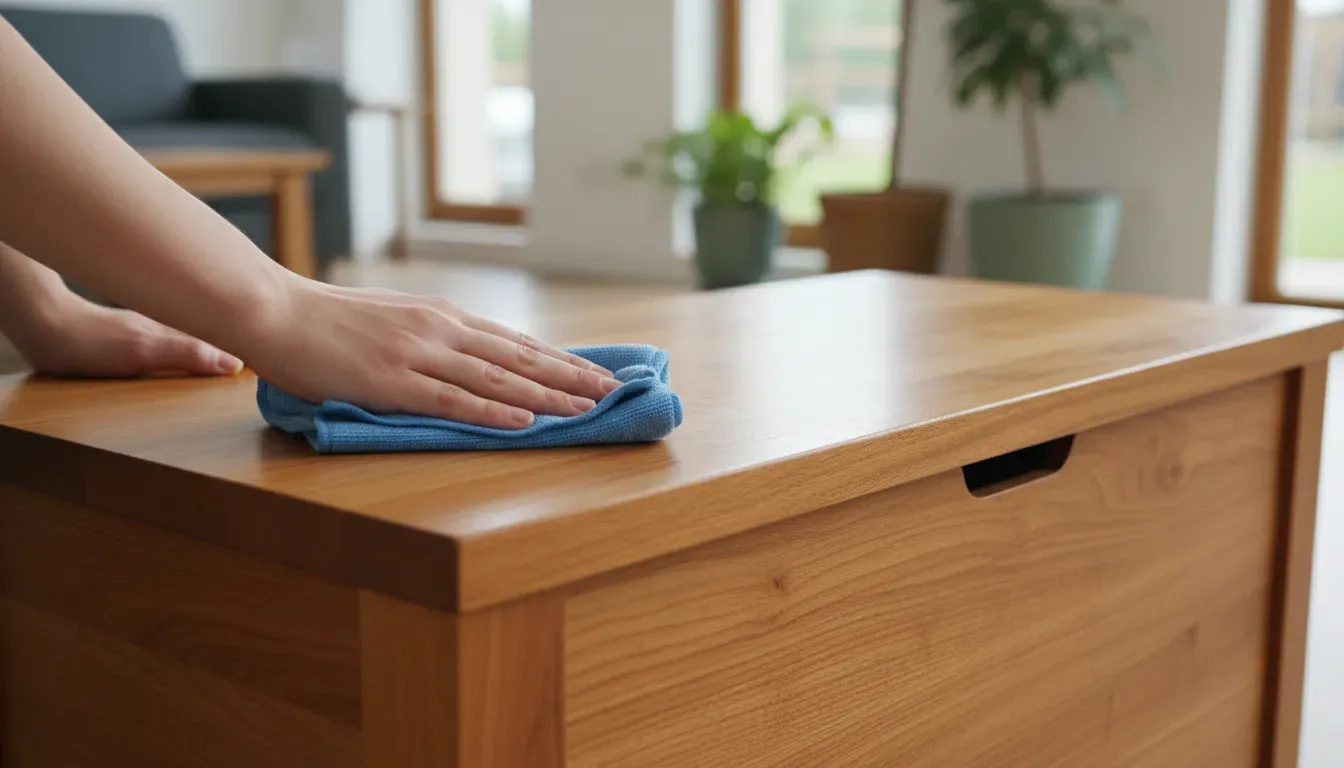
Wood is a classic choice for entryways due to its durability and warmth, but it is susceptible to moisture damage and scratches.
- Daily Maintenance: Dust frequently with a microfiber cloth to prevent grit from scratching the finish.
- Weekly Care: Wipe down surfaces with a damp cloth followed immediately by a dry one. Water left on the surface can cause warping or white rings.
- Quarterly Treatment: Apply a high-quality wood polish or wax to nourish the grain and create a protective barrier against humidity and minor abrasions.
- Damage Control: If your bench serves as a seat for putting on shoes, ensure zippers and rivets on clothing do not scratch the wood. Consider using a runner or seat cushion for protection.
Upholstered Benches
Fabric-covered benches add elegance and comfort but attract dust, allergens, and stains.
- Vacuuming: Vacuum the upholstery weekly using a brush attachment to remove dust settled into the weave.
- Spot Cleaning: Address spills immediately. Blot—never rub—liquids with a clean, white cloth. Keep a specialized upholstery cleaner on hand that is compatible with your fabric code (W, S, or SW).
- Protection: Apply a fabric protectant spray annually to repel liquids and prevent stains from setting.
Metal and Industrial Styles
Metal benches are durable but prone to rust if exposed to moisture from wet coats or umbrellas.
- Rust Prevention: Inspect joints and feet regularly for signs of oxidation. Keep the metal dry.
- Cleaning: Wipe with a solution of mild soap and water, drying thoroughly. Avoid abrasive scrubbers that can mar the powder coat or finish.
Seasonal Transitions: A Year-Round Guide
Your entryway needs change as the weather shifts. Adopting a seasonal approach to your storage bench allows you to stay ahead of the mess.
Spring and Summer: Managing Mud and Dust
As the snow melts and the rains begin, mud becomes the primary enemy.
- Shoe Management: Transition from heavy boots to sneakers and sandals. Ensure that muddy cleats or gardening shoes are cleaned before being placed in storage compartments.
- Allergen Control: During high pollen seasons, wipe down the bench surface daily. Pollen can settle on upholstery, so increase vacuuming frequency.
- Accessory Swap: Replace heavy wool blankets or winter throw pillows with lighter linens or cottons to give the space a fresh, airy feel.
Autumn and Winter: Battling the Elements
The colder months bring grit, road salt, and snow, all of which are abrasive and damaging.
- Boot Trays: Never place wet boots directly into a wooden cubby or on a fabric shelf. Utilize waterproof boot trays inside the storage compartments or directly underneath the bench to catch melting snow.
- Salt Neutralization: Road salt can stain wood and corrode metal. If salt water tracks onto your bench legs, wipe it away immediately with a mixture of water and a splash of white vinegar to neutralize the alkali.
- Heavy Gear Storage: Winter coats and scarves take up significant space. Ensure your storage baskets are sturdy enough to hold heavy knits without collapsing.
Shop for heavy duty waterproof boot trays for entryway on Amazon
The Shoe Strategy
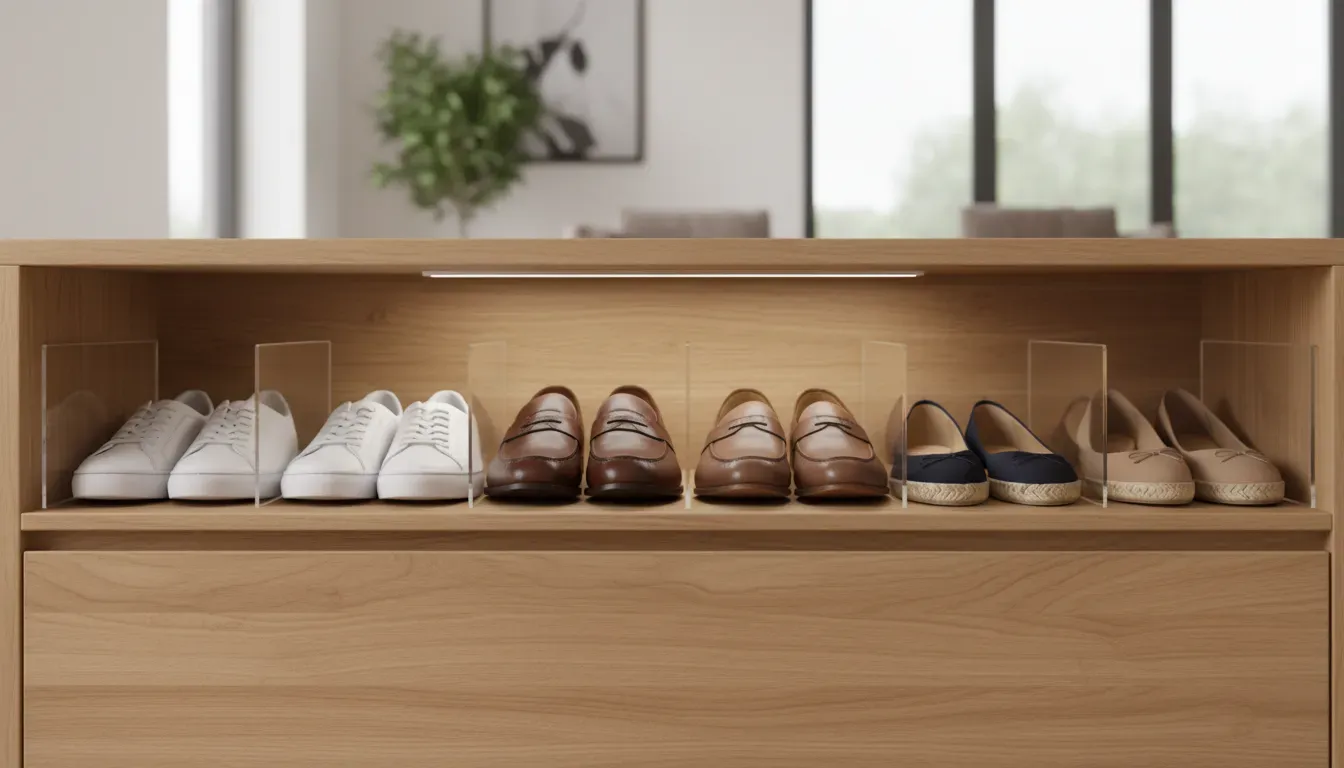
Shoes are arguably the most difficult item to manage in an entryway. They track in dirt, emit odors, and are visually cluttered. If your storage bench is primarily for footwear, you need a strict protocol.
Limit the Count
Enforce a limit on how many pairs of shoes can live in the entryway per person. Usually, two to three pairs (one for work, one for leisure, one for yard work) are sufficient. All other shoes should be stored in bedroom closets. This prevents the bench from overflowing.
Odor Control
Enclosed storage benches can trap odors, creating an unpleasant welcome for guests.
- Deodorizers: Place activated charcoal bags or cedar blocks inside the storage compartments to absorb moisture and neutralize smells naturally.
- Dry Before Storing: Never put damp shoes into a closed bench. Allow them to air dry on a mat first to prevent mold and mildew growth inside your furniture.
Decluttering Routines that Stick
Organization is not a one-time event; it is a habit. To keep your entryway bench pristine year-round, integrate small tasks into your daily life.
The “One-In, One-Out” Rule
For every new item that enters the entryway storage—be it a new scarf, a new pair of shoes, or a reusable bag—an old one must be removed. This prevents the gradual accumulation of stuff that eventually renders the storage useless.
The Sunday Reset
Dedicate 10 minutes every Sunday evening to “reset” the entryway.
- Remove mail that has piled up on the bench.
- Return shoes that don’t belong in the active rotation to closets.
- Shake out the entryway rug.
- Wipe down the bench surface. This small investment of time ensures you start the week with a calm, organized space. For more on maintaining household rhythms, read our guide on Establishing Daily Organizing Habits.
Enhancing Functionality with Accessories
Sometimes the bench alone isn’t enough. Supplementing your storage bench with complementary accessories can reduce the load on the furniture itself and keep the area cleaner.
Wall Hooks and Floating Shelves
By installing hooks above the bench, you divert wet coats and bags away from the seating surface. This keeps the bench clear for sitting and prevents moisture damage to the bench’s top.
Discover heavy duty wall hooks for coats on Amazon
Umbrella Stands
Wet umbrellas should never be placed inside a wooden bench or on upholstery. A dedicated ceramic or metal umbrella stand keeps water contained and protects your furniture.
Styling Your Bench for Visual Appeal
A well-styled bench is less likely to become a dumping ground. When a surface looks beautiful and curated, family members are psychologically less likely to clutter it with junk mail or groceries.
Textiles and Comfort
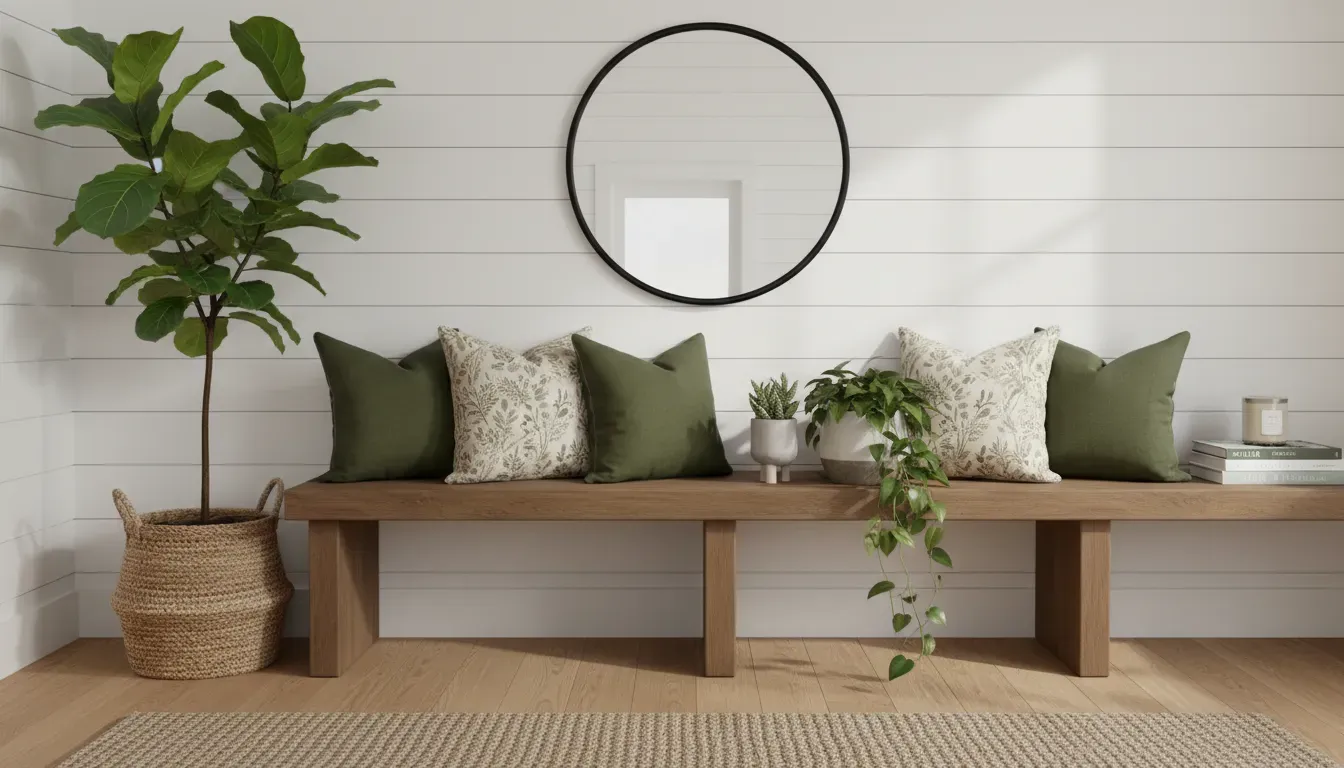
Add throw pillows and a blanket to the bench. This signals that the area is for seating, not storage of loose papers. Choose covers with zippers so they can be laundered frequently.
- Styling Tip: Use performance fabrics that resist stains if you have young children or pets.
Greenery and Decor
Place a potted plant or a vase of fresh flowers on one end of the bench (if space permits) or on a shelf directly above it. This adds life to the entryway and signals that the space is cared for. However, ensure that pots have saucers to prevent water rings on the bench surface.
Troubleshooting Common Issues
Even with the best intentions, issues arise. Here is how to handle common entryway bench problems:
The “Black Hole” Effect
Problem: Deep storage benches become bottomless pits where items are lost forever. Solution: Use stackable clear bins inside the bench. Label the tops so you can see what is inside without digging. Avoid throwing loose small items into the main compartment.
The Scuffed Base
Problem: The bottom of the bench gets scuffed by shoes kicking it. Solution: Touch up paint or wood stain annually. If the damage is severe, consider installing a kick plate or using a touch-up marker to hide imperfections.
The Wobbly Leg
Problem: Uneven floors or heavy use cause the bench to wobble. Solution: Check and tighten hardware every six months. Use felt pads or adjustable furniture levelers to ensure the bench sits flat on the floor, preventing structural stress.
Conclusion
Keeping your entryway bench with storage clean and organized year-round is a blend of discipline, smart systems, and routine care. By viewing your entryway as a functional machine that requires maintenance, you elevate the standard of your entire home.
Start by decluttering and establishing a “place for everything.” Protect the materials of your bench with regular cleaning and seasonal adjustments. Finally, style the space to command respect, ensuring it remains a welcoming focal point rather than a source of stress. With these strategies, your entryway bench will serve its true purpose: providing a seamless, organized transition into your sanctuary.
For further reading on maximizing small spaces, explore our article on Small Entryway Storage Hacks.