
The Renter's Solution: No-Drill Wall-Mounted Entryway Organizers That Actually Hold Weight
Discover heavy-duty, damage-free entryway storage solutions for renters. Learn the science of adhesion and tension to maximize vertical space without drilling.
Feb 5, 2026 - Written by: linda wise

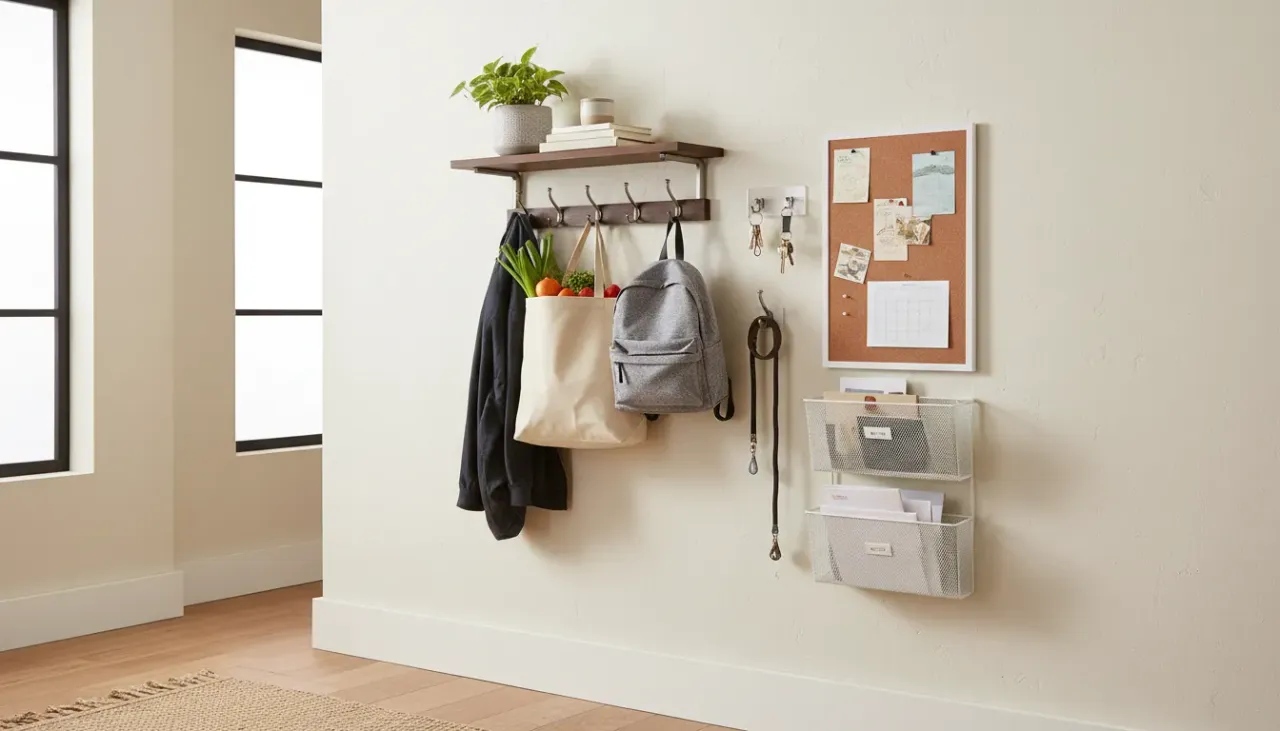
The sound is unmistakable to anyone who has attempted to organize a rental apartment. It usually happens in the dead of night: the sudden, crashing thud of an adhesive hook failing, sending coats, keys, and bags tumbling to the floor. For renters, the entryway presents a unique paradox. It is the highest-traffic area of the home, requiring the most robust organization, yet it is often the narrowest space where landlords are strictly opposed to drilling into studs or drywall.
The fear of losing a security deposit often forces tenants to live with cluttered floors and misplaced keys. However, the market for damage-free home improvement has evolved significantly beyond flimsy plastic hooks that cannot support the weight of a winter parka. Modern engineering in adhesives, tension mechanics, and magnetic systems has created a new class of organizers capable of bearing significant loads without penetrating the wall.
This guide explores the structural realities of no-drill entryway organization. We will move beyond temporary fixes and analyze systems that offer genuine stability, ensuring your entryway remains functional, stylish, and, most importantly, intact upon move-out.
The Physics of Damage-Free Stability
Before purchasing any product, it is essential to understand why standard adhesive organizers fail. The failure usually stems from one of three issues: improper weight distribution, surface incompatibility, or chemical degradation of the adhesive bond.
To achieve a “built-in” feel without the bolts, one must rely on alternative physical principles. The most successful no-drill solutions utilize one of three mechanics:
- High-Bond Polymer Adhesives: These are industrial-grade glues that cure over time to create a semi-permanent bond that can be dissolved with heat.
- Compression and Tension: Systems that rely on vertical pressure between the floor and ceiling, or horizontal pressure within a door frame.
- Mechanical Suspension: Leveraging existing structures, such as the top of a door or the hinges, to bear weight.
By matching the right mechanism to your specific wall type and storage needs, you can achieve a load-bearing capacity that rivals traditional hardware.
Heavy-Duty Adhesive Racks: The Modern Standard
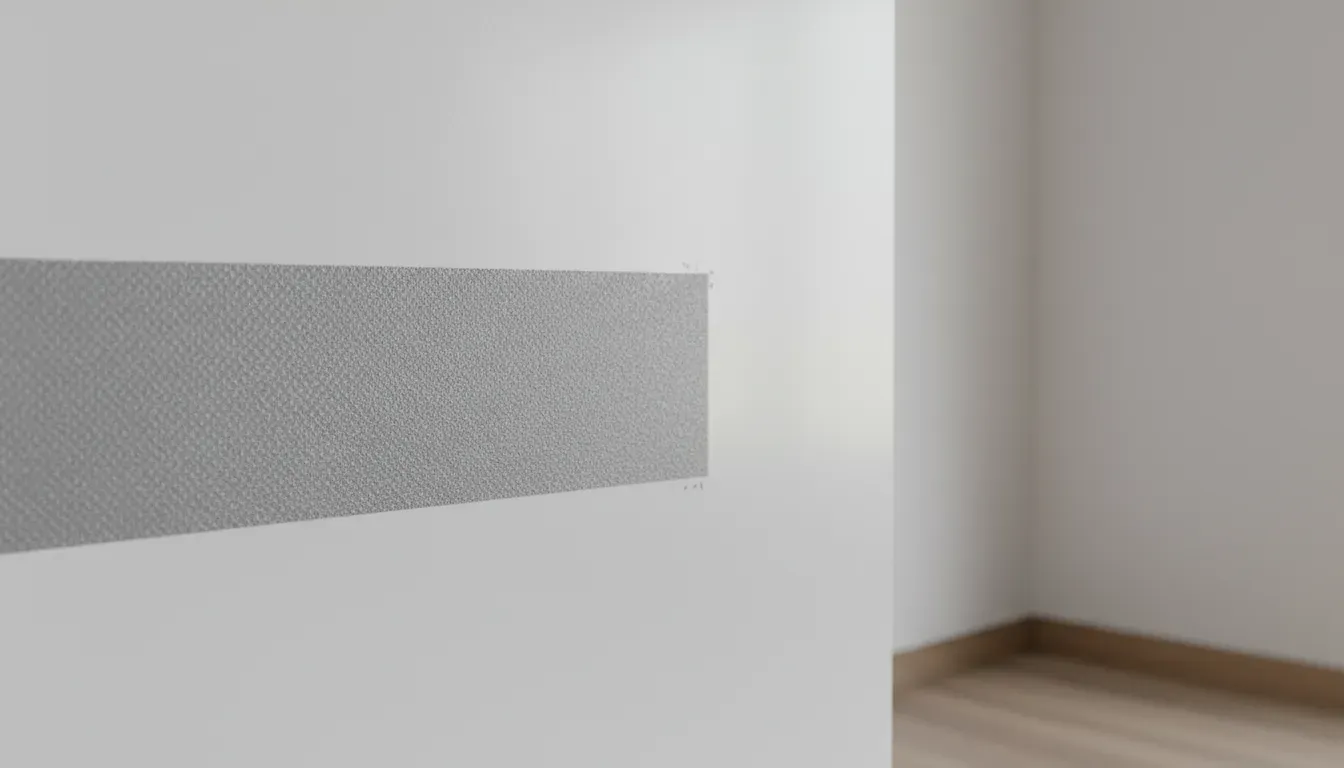
The reputation of adhesive hooks has been tarnished by low-quality consumer products. However, the chemistry behind modern adhesives has improved drastically. We are no longer limited to simple foam tape. Today, organizers utilizing nano-glue and silicone-based polymers can hold upwards of 20 to 30 pounds if installed correctly.
The Importance of Surface Preparation
The primary reason adhesive organizers fall is not the weakness of the glue, but the presence of microscopic dust and oils on the wall. For an organizer to hold a heavy bag, the adhesive must bond directly to the paint or tile, not to a layer of dust sitting on top of it.
To ensure a bond that holds weight:
- Degrease the Area: Wipe the wall with isopropyl alcohol and let it dry completely. Standard household cleaners often leave behind a residue that repels adhesive.
- Check the Texture: Adhesives require surface area. They work exceptionally well on smooth paint, tile, and metal. They fail on porous brick, wallpaper, or heavily textured “popcorn” walls because the adhesive only touches the peaks of the texture, reducing the bond strength by over 50%.
- Respect the Cure Time: This is the step most users skip. Once the organizer is pressed onto the wall, it must be left unloaded for 24 to 48 hours. This allows the polymer chains in the adhesive to settle and harden. Hanging a coat immediately creates micro-fractures in the glue that will eventually lead to failure.
Selecting the Right Unit
Look for organizers with a large surface area backplate. The larger the footprint of the adhesive backing, the better the weight distribution. A single hook puts intense torque on a small point of adhesion, pulling the paint away from the drywall. A wide bar with multiple hooks spreads that force across a larger area, reducing the risk of damage.
For a sleek, modern look that maximizes adhesive surface area, consider metal organizers designed specifically for high-traffic zones.
Vertical Real Estate: The Tension Rod Revolution
If your entryway walls are textured, or if you simply do not trust glue with your heavy leather satchel, tension rods are the superior alternative. While commonly associated with shower curtains, industrial-strength tension poles are now designed for vertical storage in living spaces.
Floor-to-Ceiling Poles
These systems function by extending a sturdy metal pole from the floor to the ceiling, locking in place via a heavy-duty spring mechanism. Because the force is vertical, gravity actually assists in stabilization. When you hang a coat on a bracket attached to the pole, the downward force drives the pole firmly into the floor.
This creates a floating coat rack effect that requires zero wall contact. It is ideal for corners or narrow landing strips where a traditional hall tree would be too bulky. High-quality tension poles can support upwards of 60 pounds distributed across various hooks and trays, making them the strongest no-drill option available.
Installation Nuances
For tension rods to work effectively, you need a solid ceiling. Dropped ceilings or suspended tiles cannot withstand the upward pressure required to lock the pole in place. You must locate a joist or ensure you are pressing against solid drywall or plaster.
Furthermore, look for poles with rubberized feet and head caps. These increase friction, preventing the pole from sliding out of plumb if bumped, while also protecting your floor and ceiling finishes from scuffs.
The Magnetic Appeal: Utilizing Hidden Steel
Many renters overlook one of the sturdiest surfaces in their apartment: the front door itself. In many modern apartment complexes and converted industrial lofts, the entry door is made of steel for fire safety and security. This presents a massive, magnetic canvas for organization.
Testing Your Door
Use a standard refrigerator magnet to test your front door. If it sticks, you have unlocked a storage potential that requires absolutely no installation mess.
High-Gauss Solutions
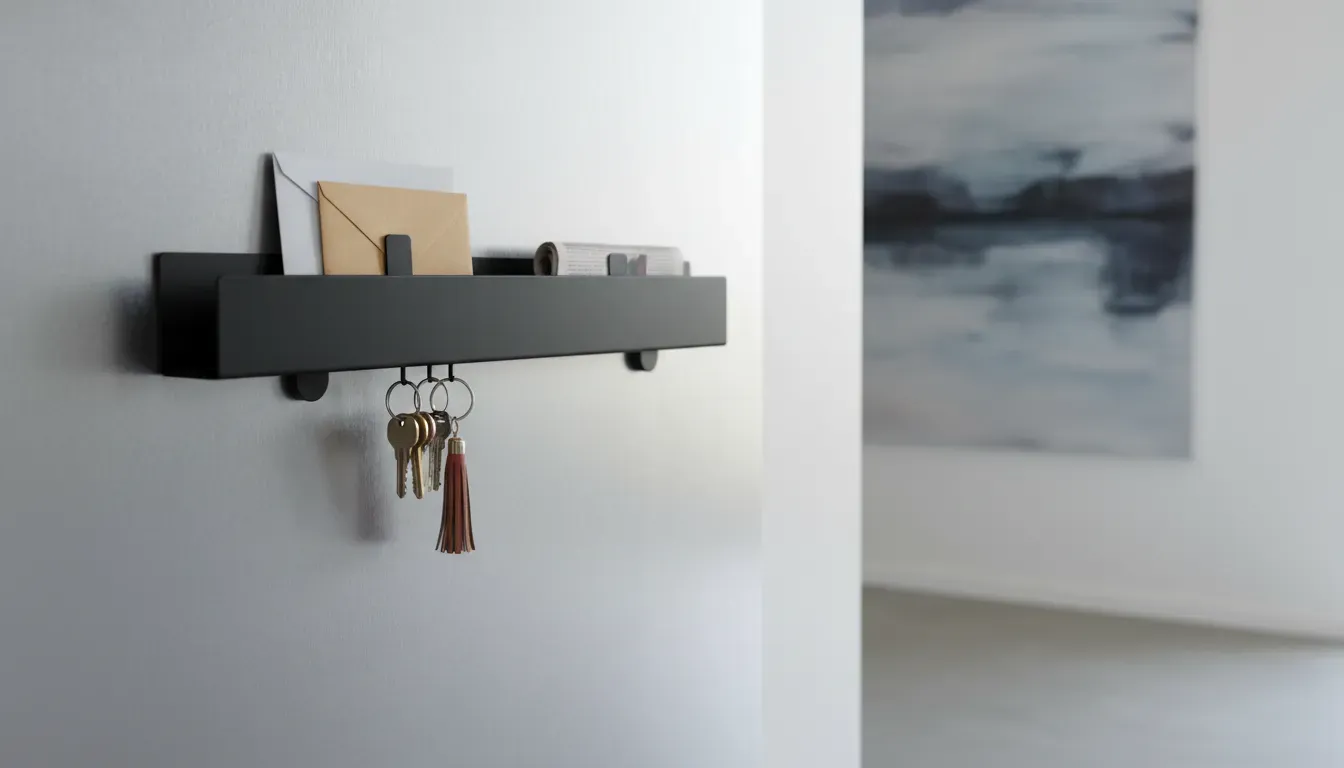
We are not discussing flimsy decorative magnets. Neodymium (rare earth) magnets are incredibly powerful. A magnetic shelf equipped with high-gauss magnets can easily hold mail, keys, sunglasses, and even light jackets. The benefit of door-mounted storage is that it utilizes the “dead space” of the entryway. It keeps items strictly in the zone where they are needed—right at the exit.
However, caution is required. When mounting heavy items on a swinging door, inertia is your enemy. Opening or closing the door with force can dislodge items if the magnet isn’t strong enough. Always opt for organizers that specify their weight rating and have a rubberized backing to prevent scratching the door’s paint.
Over-the-Door Suspension: Refined and Redefined
The over-the-door hook is a classic renter’s staple, but it often looks cheap and rattles noisily. To elevate this solution, one must look for “fitted” suspension systems that offer stability and aesthetic value.
mitigating the “Rattle”
The primary complaint with over-the-door racks is the noise and movement. Every time the door opens, the rack bangs against the wood.
- Padding: High-end organizers come with felt or foam padding on the underside of the brackets and the back of the rack. If yours does not, applying adhesive felt furniture pads is a quick modification that silences the rack and protects the door finish.
- Fit: Doors come in various thicknesses. Standard interior doors are usually 1 3/8 inches thick, while exterior fire doors are 1 3/4 inches. Buying a rack with an adjustable bracket or one specifically sized for your door prevents the loose fit that causes instability.
Structural Integrity
Unlike adhesive hooks, over-the-door racks transfer weight directly to the door hinges. A standard door hinge is designed to support the weight of the door itself—often 50 to 100 pounds. Adding an extra 15 pounds of coats is generally well within the structural tolerance, making this a safe bet for heavier winter gear that might pull an adhesive strip off the wall.
The Pegboard Hack: Customizable and Clean
For those who crave a “command center” aesthetic, pegboards are incredibly effective. While traditional pegboards require standoffs screwed into studs, lightweight plastic or wire grid pegboards are now available with specialized adhesive mountings.
Because a pegboard spreads the load across four or more mounting points, it reduces the stress on any single patch of drywall. This allows for a modular system where you can mix and match small shelves, hooks, and bins.
Configuring for Weight
When using an adhesive pegboard, keep heavy items low. Place your key hooks and mail bins at the bottom of the board, and lighter decorative items or sunglasses at the top. This lowers the center of gravity and reduces the leverage pulling the top adhesive strips away from the wall.
For more ideas on configuring small spaces, read our guide on maximizing vertical storage in studio apartments.
Troubleshooting: When Removal Time Comes
The “renter’s solution” is only successful if it leaves no trace when you move out. Removing heavy-duty organizers requires patience. The biggest mistake tenants make is pulling the organizer straight off the wall, which almost inevitably rips the paper facing off the drywall.
The Heat Method
Whether you are removing a Command strip, double-sided foam tape, or a nanoglue bracket, heat is the universal solvent.
- Apply Heat: Use a hair dryer on the hottest setting. Aim it at the base of the adhesive for 60 to 90 seconds. This softens the polymers, turning the hard glue back into a pliable gel.
- The Floss Technique: Do not pry it off. Take a length of dental floss or fishing line. Wrap it around your fingers and slide it behind the organizer, using a sawing motion to cut through the warm adhesive foam.
- Cleanup: Once the organizer is off, roll away the remaining residue with your thumb. If there is a sticky film left, a citrus-based adhesive remover will clean it without damaging the paint sheen.
Combining Systems for Maximum Efficiency
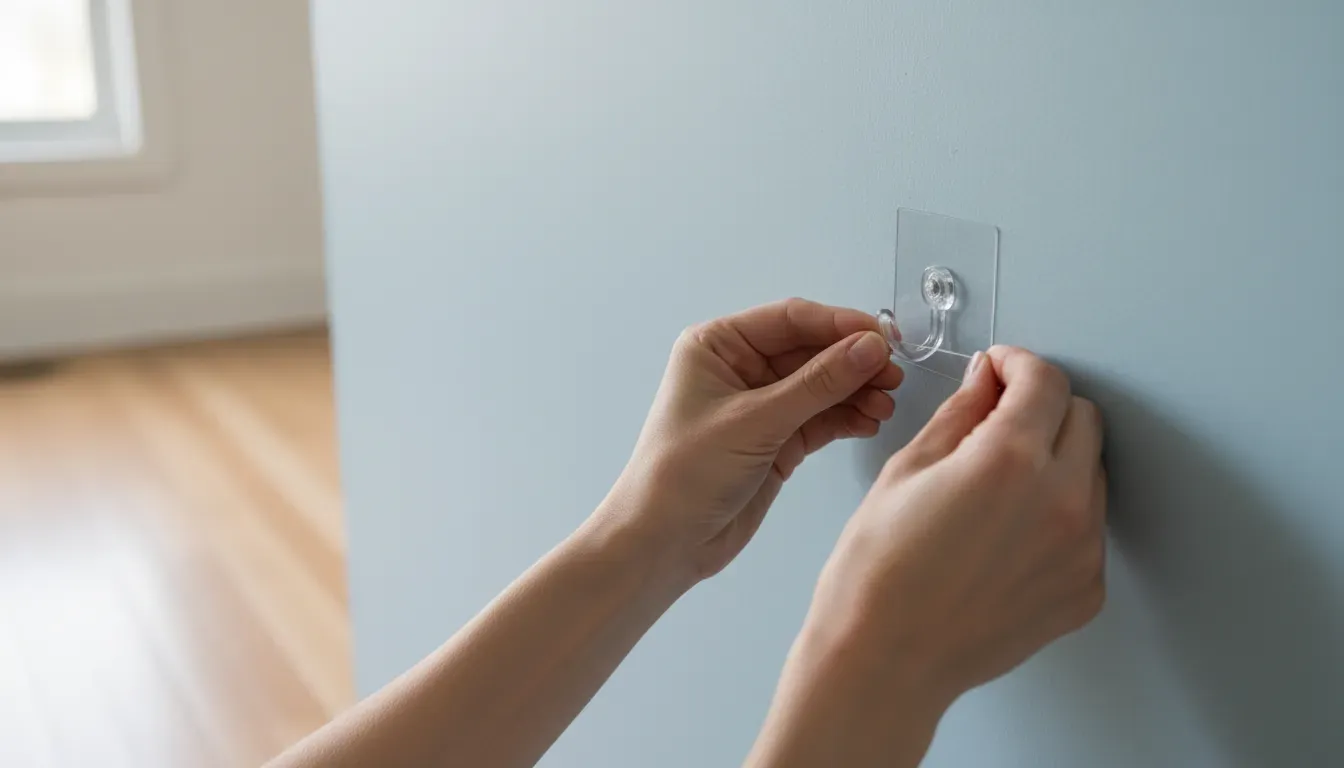
Rarely does a single product solve every entryway problem. The most effective strategy often involves a hybrid approach. You might use a heavy-duty tension pole for coats (the heavy lifting), a magnetic shelf on the door for mail (quick access), and small adhesive hooks for keys.
By distributing the storage load across different surfaces—floor, ceiling, door, and wall—you avoid overburdening any single anchor point. This redundancy is the key to a fail-safe organization system.
The Aesthetic Factor
Functionality does not require sacrificing style. Manufacturers have moved away from white plastic. You can now find adhesive and tension products in matte black, brushed brass, and natural wood finishes. When selecting these items, treat them as furniture. Does the finish match your door hardware? Does the wood tone complement your floor? Cohesion in design makes these temporary solutions look intentional rather than provisional.
Conclusion
Living in a rental property should not dictate a disorganized life. The technology behind no-drill organizers has bridged the gap between temporary housing and permanent convenience. By understanding the mechanics of adhesion, leverage, and tension, you can install entryway systems that are robust enough to handle the daily grind.
Whether you opt for the industrial strength of a floor-to-ceiling tension rod or the chemical bond of modern adhesive racks, the solution lies in proper selection and installation. Respect the weight limits, prepare your surfaces, and you can build an entryway that welcomes you home without the fear of things going bump in the night.
For further reading on organizing without structural changes, consider exploring our deep dive into damage-free kitchen organization for similar techniques applied to culinary spaces.