
How to Organize an Entryway Closet: 15 Easy and Functional Ideas
Learn how to organize an entryway closet with 15 practical ideas. From adjustable shelves to drop zones, maximize storage and keep your entryway clutter-free.
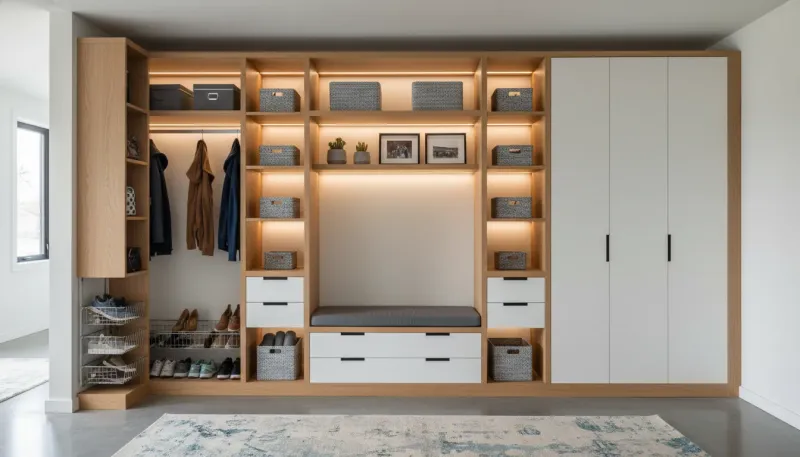
Feb 1, 2026 · Linda Wise
15 min readWhat Is an Entryway Closet?
An entryway closet is a small closet located near the front door of your home. It serves as the first point of storage you encounter when entering and the last stop before heading out. Unlike bedroom or hall closets, an entryway closet is designed for quick-access items like coats, shoes, bags, keys, and seasonal accessories.
What an Entryway Closet Is Used For
The primary purpose of an entryway closet is to provide a dedicated home for everyday items that would otherwise pile up on counters, floors, and furniture. It keeps your entryway clean, organized, and functional by giving every item a specific spot.
What to Store in an Entryway Closet
- Coats, jackets, and outerwear
- Shoes and boots
- Backpacks, purses, and bags
- Gloves, hats, scarves, and seasonal accessories
- Umbrellas
- Keys, mail, and small daily essentials
- Pet leashes and supplies
- Cleaning tools like brooms and mops
How to Make a Small Entryway Closet More Functional
Small entryway closets can feel cramped and useless, but the right organization strategy transforms them into hardworking storage spaces. The key is to maximize every inch, from the back of the door to the highest shelf, using vertical storage, slim containers, and smart zoning.
How to Plan Your Entryway Closet Organization
Before you start adding shelves and hooks, take time to plan. A good plan prevents wasted money on storage solutions that do not fit and ensures every item has a home.
Decide What Your Entryway Closet Needs to Store
Walk through your daily routine. What do you grab when you leave? What do you drop when you come home? List every item that needs to live in or near this closet. Common items include:
- Daily coats and jackets
- Seasonal outerwear
- Shoes (everyday and seasonal)
- Bags and backpacks
- Keys, mail, and wallet
- Gloves, hats, and scarves
- Umbrellas
- Pet supplies
Measure the Closet and Available Space
Measure the interior width, depth, and height of your closet. Also note:
- Door swing clearance (inward or outward)
- Location of any existing shelves or rods
- Wall space on the inside of doors
- Distance from the floor to the lowest shelf
These measurements determine what storage solutions will actually fit.
Create Zones for Coats, Shoes, Bags, and Accessories
Divide your closet into functional zones:
| Zone | Location | Items |
|---|---|---|
| Hanging zone | Upper section | Coats, jackets, blazers |
| Shelf zone | Top shelf | Seasonal items, bins, luggage |
| Hook zone | Back of door or side walls | Bags, hats, daily jackets |
| Floor zone | Bottom of closet | Shoes, boots, baskets |
| Small item zone | Door organizer or small bins | Keys, gloves, scarves, mail |
Declutter Before You Start Organizing
Remove everything from the closet. Sort items into four piles:
- Keep - items you use regularly
- Donate - items in good condition you no longer need
- Store - seasonal items that do not need daily access
- Discard - damaged or expired items
Only put back what belongs in the entryway closet.
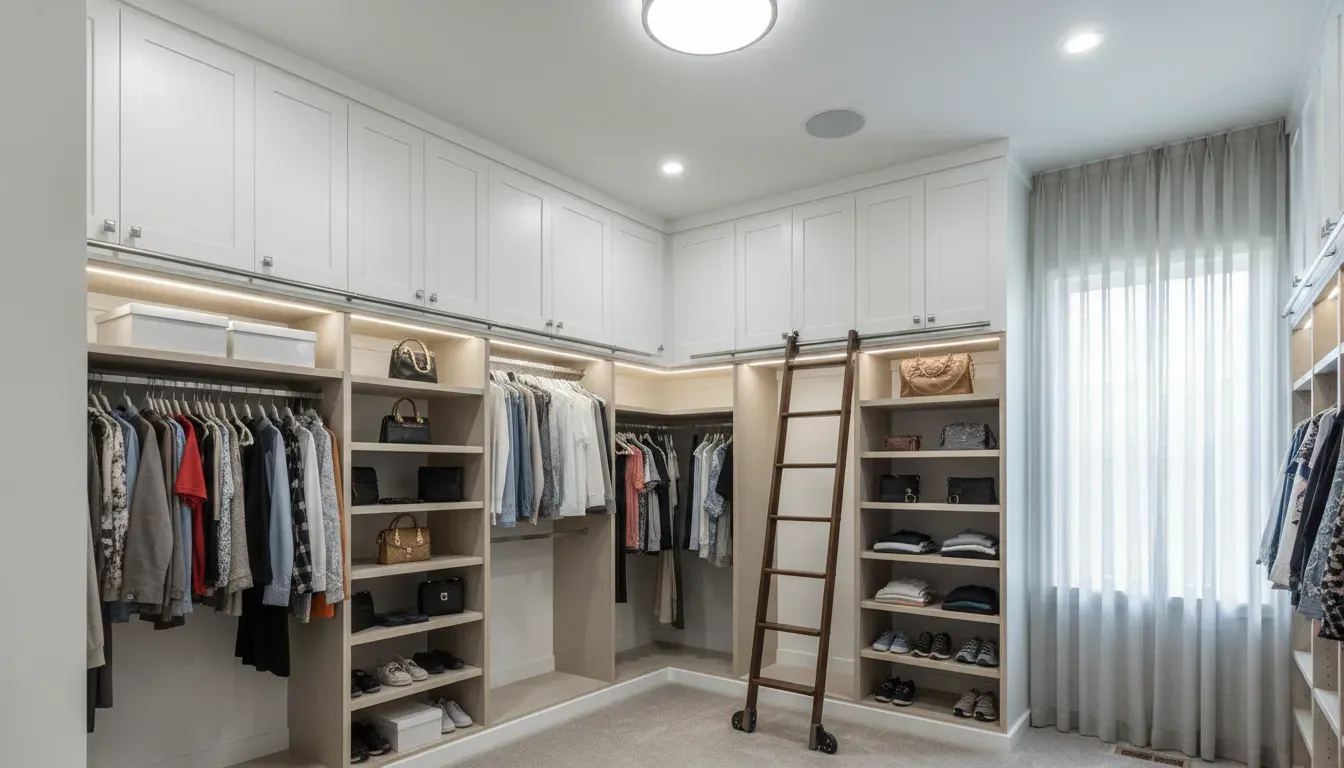
15 Entryway Closet Organization Ideas
These 15 ideas cover every part of your entryway closet, from the floor to the ceiling and from the back wall to the door.
1. Add Adjustable Shelves
Adjustable shelves let you customize the spacing between shelves based on what you need to store. Move shelves closer together for small bins or farther apart for tall items.
Why it works:
- Makes better use of vertical space
- Creates dedicated storage for shoes, bags, and accessories
- Reconfigures as your storage needs change
Install a track-based shelving system with vertical standards and brackets that move in one-inch increments. This gives you full control over shelf placement.
2. Install Hooks or a Coat Rack
Hooks are the simplest way to add hanging storage. Install them at different heights to accommodate adults and children.
Why it works:
- Keeps frequently used coats and bags accessible
- Takes up minimal wall space
- Easy to install without special tools
Choose hooks based on closet size and wall space. Single hooks work for individual items, while multi-hook racks hold several coats or bags in one spot.
3. Use Storage Baskets and Bins
Baskets and bins corral loose items and keep shelves looking tidy. Use them for gloves, hats, scarves, and other small accessories.
Why it works:
- Organizes small items that would otherwise scatter
- Keeps seasonal accessories contained
- Adds visual cohesion to the closet
Label each basket so family members know where items belong and where to return them.
4. Use the Back of the Closet Door
The back of your closet door is unused storage waiting to happen. Install over-the-door organizers, hooks, or racks to maximize this space.
Why it works:
- Stores small accessories and everyday essentials
- Frees up shelf and rod space inside the closet
- Requires no drilling into closet walls
Over-the-door shoe organizers work well for small items like gloves, scarves, keys, and pet supplies.
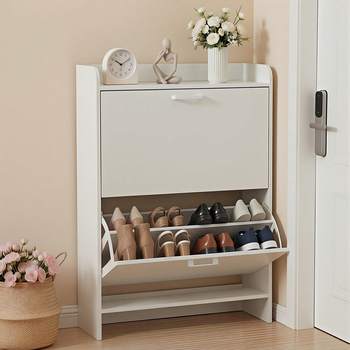
5. Add a Wall-Mounted Mop and Broom Rack
If your entryway closet also stores cleaning tools, a wall-mounted rack keeps brooms, mops, and dustpans organized and off the floor.
Why it works:
- Keeps cleaning tools organized and accessible
- Uses unused vertical wall space
- Prevents tools from leaning and falling
Install the rack on the back wall or side wall of the closet, depending on available space.
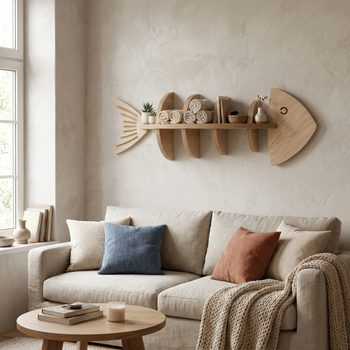
6. Create a Shoe Storage Zone
Designate a specific area for shoes. Add shoe shelves, racks, or cubbies to keep footwear organized and easy to find.
Why it works:
- Keeps everyday shoes easy to reach
- Prevents shoes from piling up on the floor
- Protects shoes from damage
Place everyday shoes at the bottom of the closet for quick access. Use slanted shoe racks to save space and keep pairs visible.

7. Install a Double Hanging Rod
A double hanging rod doubles your hanging capacity. Install one rod at standard height (60 to 66 inches) and a second rod below it (around 40 inches).
Why it works:
- Maximizes hanging space
- Separates short and long garments
- Accommodates both adult and children’s coats
Use the upper rod for longer coats and the lower rod for shorter jackets, blazers, and kids’ outerwear.
8. Use the Upper Shelf for Seasonal Items
The top shelf of your closet is ideal for items you do not need daily. Store winter coats, luggage, camping gear, and other rarely used items here.
Why it works:
- Stores winter coats, luggage, and rarely used items
- Keeps seasonal items out of the way but accessible
- Uses space that would otherwise go to waste
Use labeled containers to keep everything organized and easy to find when the season changes.
9. Add a Step Stool for Hard-to-Reach Storage
A compact folding step stool lets you safely reach upper shelves without straining. Keep it tucked in a corner or hung on a wall hook inside the closet.
Why it works:
- Safely access upper shelves
- Makes high storage practical for all family members
- Compact designs take up minimal space
Choose a lightweight, foldable stool that stores flat when not in use.
10. Use Clear Storage Containers
Clear plastic containers let you see what is inside without opening them. They are ideal for seasonal accessories, miscellaneous items, and anything you store infrequently.
Why it works:
- Makes stored items easy to identify
- Protects items from dust and moisture
- Stacks neatly on shelves
Label containers with contents and season for quick identification.
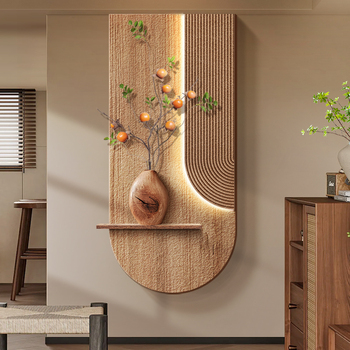
11. Create a Dedicated Bag and Backpack Area
Give bags and backpacks their own zone. Use hooks, cubbies, or shelves to keep them off the floor and easy to grab.
Why it works:
- Gives every family member a designated spot
- Prevents bags from piling up on the floor
- Makes it easy to grab what you need on the way out
Assign each family member a hook or cubby so everyone knows where their bag belongs.
12. Organize Small Accessories
Create dedicated storage for hats, gloves, scarves, umbrellas, and keys. Use small bins, drawer organizers, or compartmentalized containers.
Why it works:
- Keeps small items from getting lost
- Makes it easy to find what you need
- Prevents clutter from spreading
Place small accessory storage at eye level or on the back of the door for easy access.
13. Make Use of Vertical Space
Most entryway closets have more vertical space than they use. Add additional shelves, hooks, or hanging organizers to take advantage of the full height.
Why it works:
- Installs additional shelves or hooks
- Takes advantage of the full height of the closet
- Doubles or triples usable storage
Work from the top down: seasonal items on the highest shelf, everyday items at eye level, and shoes on the floor.
14. Create an Entryway Drop Zone
Designate a specific spot inside or near the closet for keys, mail, bags, and everyday items. A small tray, bowl, or wall-mounted organizer works perfectly.
Why it works:
- Designates a place for keys, mail, bags, and everyday items
- Prevents clutter from spreading into the rest of the home
- Creates a quick grab-and-go system
Place the drop zone at a convenient height near the closet opening so it is the first thing you see when entering.
15. Keep Frequently Used Items Within Easy Reach
Store everyday items between waist and shoulder height where they are easiest to grab. Move seasonal and rarely used items to higher or lower shelves.
Why it works:
- Puts everyday items between waist and shoulder height
- Moves seasonal and rarely used items higher up
- Reduces searching and frustration
The most accessible zone (30 to 60 inches from the floor) should hold the items you use daily.
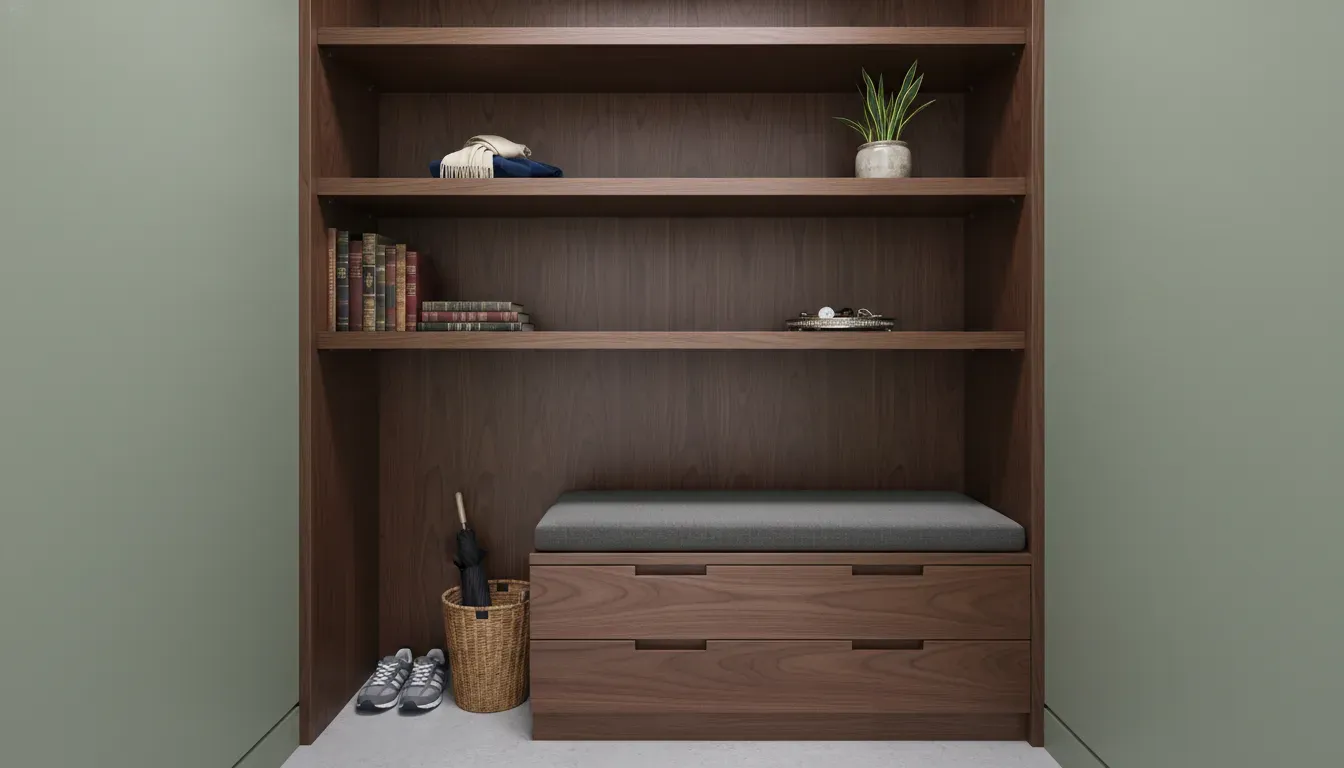
How to Organize a Small Entryway Closet
Small entryway closets require extra creativity. Here is how to maximize every inch.
Use Vertical Storage
Go up, not out. Add shelves that reach the ceiling, install hooks at multiple heights, and use over-the-door organizers to capture every available surface.
Choose Slim Storage Solutions
Skip bulky bins and baskets. Choose slim, shallow containers that fit in tight spaces without protruding into the closet opening.
Maximize the Door and Wall Space
The back of the door and the side walls are prime real estate in a small closet. Install hooks, racks, and organizers to keep items off shelves and rods.
Use Bins to Control Small Items
Small items create the most clutter. Contain them in labeled bins so they stay organized and easy to find.
Avoid Overcrowding the Closet
Resist the temptation to fill every inch. Leave some breathing room so you can see and access everything without digging.
Entryway Closet Organization by Item
Different items need different storage strategies. Here is how to organize the most common entryway closet items.
How to Organize Coats and Jackets
Hang daily coats on hooks or the lower rod for easy access. Store seasonal coats on the upper rod or in vacuum-sealed bags on the top shelf. Group by family member or by type (raincoats, winter coats, light jackets).
How to Organize Shoes
Place everyday shoes on the floor or on a low shoe rack. Store seasonal shoes in clear bins on shelves. Use slanted shoe racks to maximize space and keep pairs visible. Keep a shoe tray near the door for wet or muddy shoes.
How to Organize Bags and Backpacks
Assign each family member a hook or cubby for their daily bag. Store less-used bags on shelves or in the upper section of the closet. Keep purses and small bags in a designated bin or on a shelf.
How to Organize Hats, Gloves, and Scarves
Use small bins, baskets, or drawer organizers to contain these items. Place them at eye level or on the back of the door for quick access. Label containers by type or by family member.
How to Store Seasonal Clothing
Use vacuum-sealed bags for bulky seasonal items like winter coats and sweaters. Store them on the highest shelf or in labeled bins. Rotate seasonal items to the accessible zone when the season changes.
How to Store Cleaning Supplies
Use a wall-mounted rack for brooms and mops. Store cleaning sprays and cloths in a caddy or bin on a lower shelf. Keep hazardous products out of reach of children.
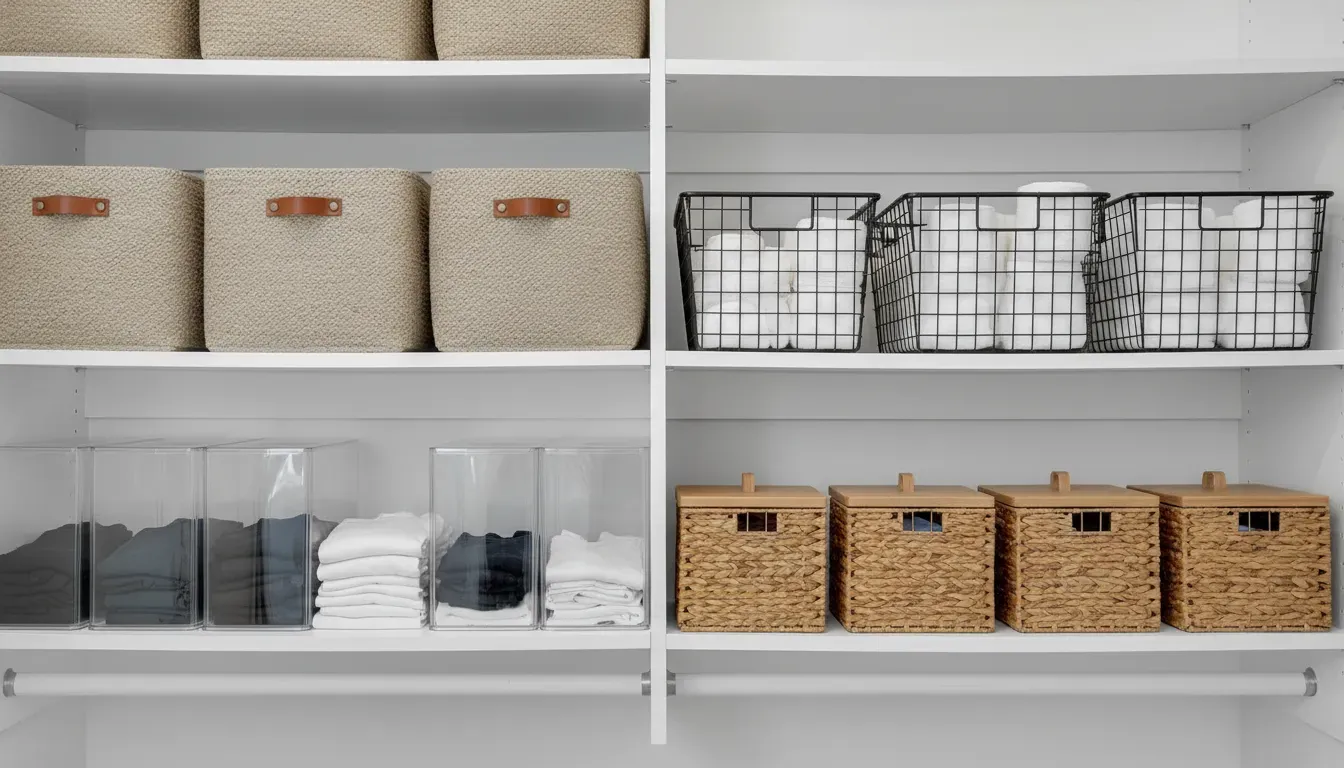
How to Keep Your Entryway Closet Organized
Organization is only useful if it lasts. These habits keep your closet functional long-term.
Give Everything a Dedicated Home
Every item in the closet should have a specific spot. When everything has a home, it is easy to put things back where they belong.
Use Labels
Label bins, baskets, and containers so everyone in the household knows where items go. Labels make cleanup faster and reduce the chance of clutter creeping back.
Remove Items You No Longer Use
Do a quick audit every few months. If you haven’t worn a coat or used an accessory in over a year, donate or discard it. Keeping only what you use prevents the closet from becoming overstuffed.
Do a Quick Seasonal Reset
At the start of each season, swap out seasonal items. Move winter coats to the top shelf in spring and bring them back down in fall. This keeps the most relevant items in the easy-access zone.
Keep Everyday Items Easy to Access
The items you use daily should live between waist and shoulder height. Seasonal and rarely used items go higher up or on the floor. This arrangement reduces searching and keeps the closet efficient.
Entryway Closet Organization Mistakes to Avoid
Even with the best intentions, these common mistakes can undermine your organization efforts.
Overfilling the Closet
Cramming too many items into the closet makes it hard to find anything and creates visual clutter. Leave space between items so everything is visible and accessible.
Wasting Vertical Space
Most people use only the middle section of their closet. The space near the ceiling and near the floor is often wasted. Add shelves, hooks, and organizers to use the full height.
Mixing Seasonal and Everyday Items
Keep seasonal items on the top shelf or in labeled bins, not mixed in with everyday coats and shoes. This separation makes daily items easier to find and seasonal items easier to access when needed.
Using Storage That Is Too Deep
Deep bins and baskets make it hard to reach items in the back. Choose shallow containers or use pull-out drawers so everything is within reach.
Keeping Items Without a Specific Purpose
If an item does not have a clear function in the entryway, it does not belong there. Be ruthless about what stays and what moves to another room or leaves the house.
Entryway Closet Organization Checklist
Use this checklist to organize your entryway closet step by step.
- Declutter and remove everything from the closet
- Measure the closet interior (width, depth, height)
- Create storage zones for coats, shoes, bags, and accessories
- Add adjustable shelves for flexible storage
- Install hooks at multiple heights for coats and bags
- Add baskets and bins for small items
- Organize shoes with a rack, shelves, or cubbies
- Use the back of the door for additional storage
- Label all bins, baskets, and containers
- Create an easy maintenance routine (seasonal resets, monthly audits)
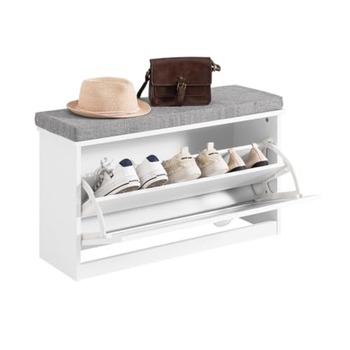
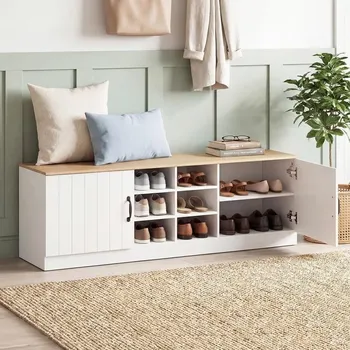
Entryway Closet Products You Can Buy Today
Ready to organize your entryway closet? These top-rated products on Walmart USA cover every idea in this guide.
Frequently Asked Questions
How do you organize a small entryway closet?
Use vertical storage, slim containers, and the back of the door. Add shelves that reach the ceiling, install hooks at multiple heights, and choose shallow bins that fit in tight spaces. Avoid overcrowding and keep only everyday items in the easy-access zone.
What should be stored in an entryway closet?
Store items you use when entering or leaving your home: coats, jackets, shoes, bags, backpacks, gloves, hats, scarves, umbrellas, keys, mail, pet leashes, and cleaning supplies like brooms and mops.
How do I maximize space in my entryway closet?
Add adjustable shelves, install a double hanging rod, use the back of the door for organizers, and take advantage of vertical space. Use labeled bins to contain small items and keep the floor zone for shoes and baskets.
How many coats should go in an entryway closet?
Keep only the coats you use regularly in the entryway closet. For a family of four, this is typically two to three coats per person. Store seasonal and occasional coats in a bedroom or hall closet.
What is the best storage for a narrow entryway closet?
Use slim, shallow containers and hooks instead of bulky bins. Install over-the-door organizers, use vertical space with stacked shelves, and choose slanted shoe racks that keep pairs visible without protruding into the closet opening.
How do you keep an entryway closet from getting messy?
Give every item a dedicated home, use labels, do a quick seasonal reset, and remove items you no longer use. Keep everyday items between waist and shoulder height and store seasonal items on the top shelf.
Final Thoughts: Create an Entryway Closet That Works for You
An organized entryway closet saves time, reduces clutter, and makes your daily routine smoother. Start by decluttering, measuring your space, and creating zones for each type of item. Use the 15 ideas in this guide to maximize every inch, from adjustable shelves to door organizers.
The best entryway closet is one that fits your lifestyle. Keep only what you use, give everything a home, and maintain it with simple habits. With a little planning and the right storage solutions, even the smallest closet becomes a functional part of your home.
Stop Guessing Measurements. Build Your Dream Entryway with Confidence.
Transform awkward hallways, cramped foyers, and cluttered mudrooms into organized sanctuaries. Includes 20 CAD floor plans, facing real-home photo spreads, the 36-Inch Clearance Rule, the Shoe Pairs Formula, and 7 printable worksheets.
Core Edition ($17.99) · Flagship Photo Edition v5 ($39.99)
