
Wood vs. Metal: Which Material is Best for Your Entryway Hooks and Racks?
Deciding between wood and metal for your entryway storage? We analyze durability, style, and function to help you choose the perfect material for your home.
Feb 5, 2026 - Written by: linda wise

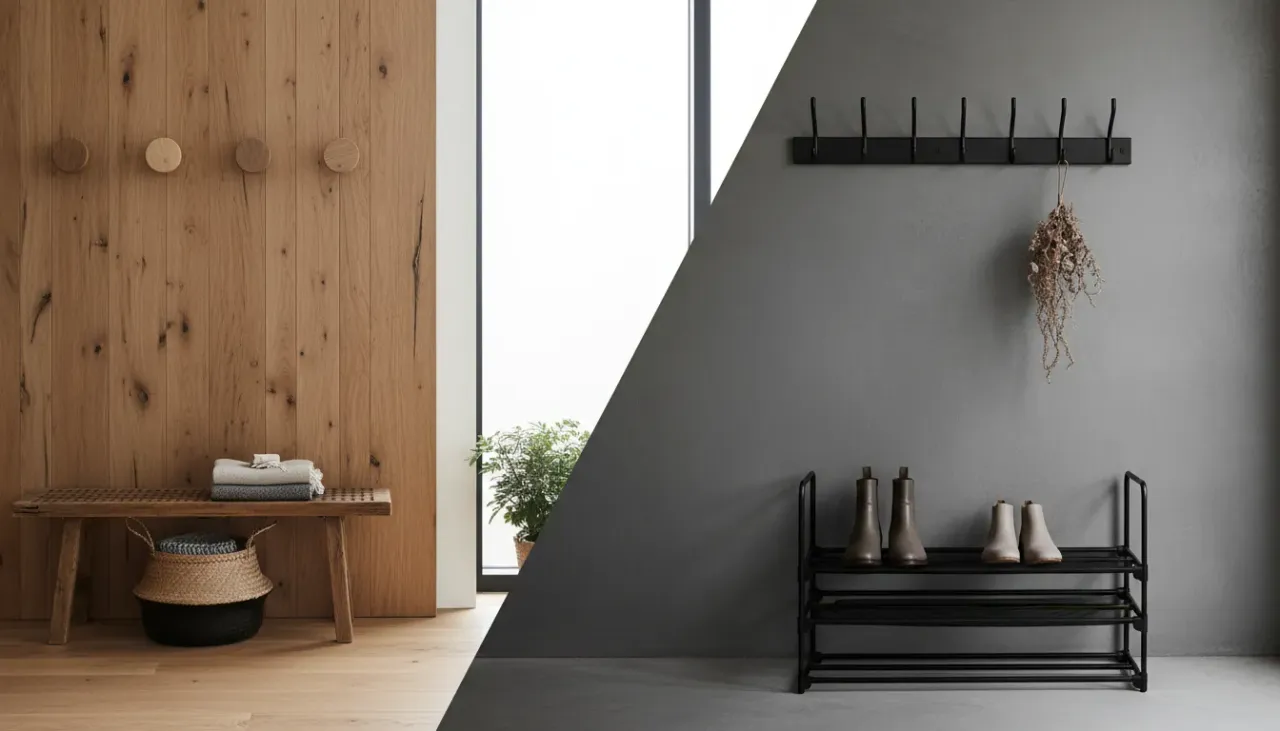
The entryway is arguably the most critical transitional space in a home. It is the “drop zone,” the area that greets you after a long day and the last place you see before heading out into the world. Because of its high-traffic nature, the functionality of your entryway storage is paramount. However, functionality should never come at the expense of aesthetics. When selecting hooks, racks, or hall trees, homeowners are often faced with a primary material dilemma: wood or metal?
Both materials offer distinct advantages regarding durability, style, and maintenance. Wood brings warmth, organic texture, and a sense of tradition, while metal offers industrial strength, sleek profiles, and modern resilience. Making the right choice requires a nuanced understanding of your household’s specific needs, your climate, and your overarching interior design language.
This comprehensive guide will dissect the pros and cons of wood versus metal for entryway storage solutions, helping you make an informed investment for your home organization needs.
The Entryway as a Statement of Function and Form
Before diving into the material specifics, it is essential to understand the demands placed on entryway furniture. Unlike a decorative shelf in a living room, entryway racks must endure significant daily wear. They bear the weight of heavy winter coats, damp rain jackets, mud-caked leashes, and overstuffed backpacks.
The material you choose dictates not only how the piece looks but how long it will last under stress. A well-chosen rack integrates seamlessly with your entryway decor, acting as both a utilitarian asset and a design focal point.
The Case for Wood: Warmth, Tradition, and Character
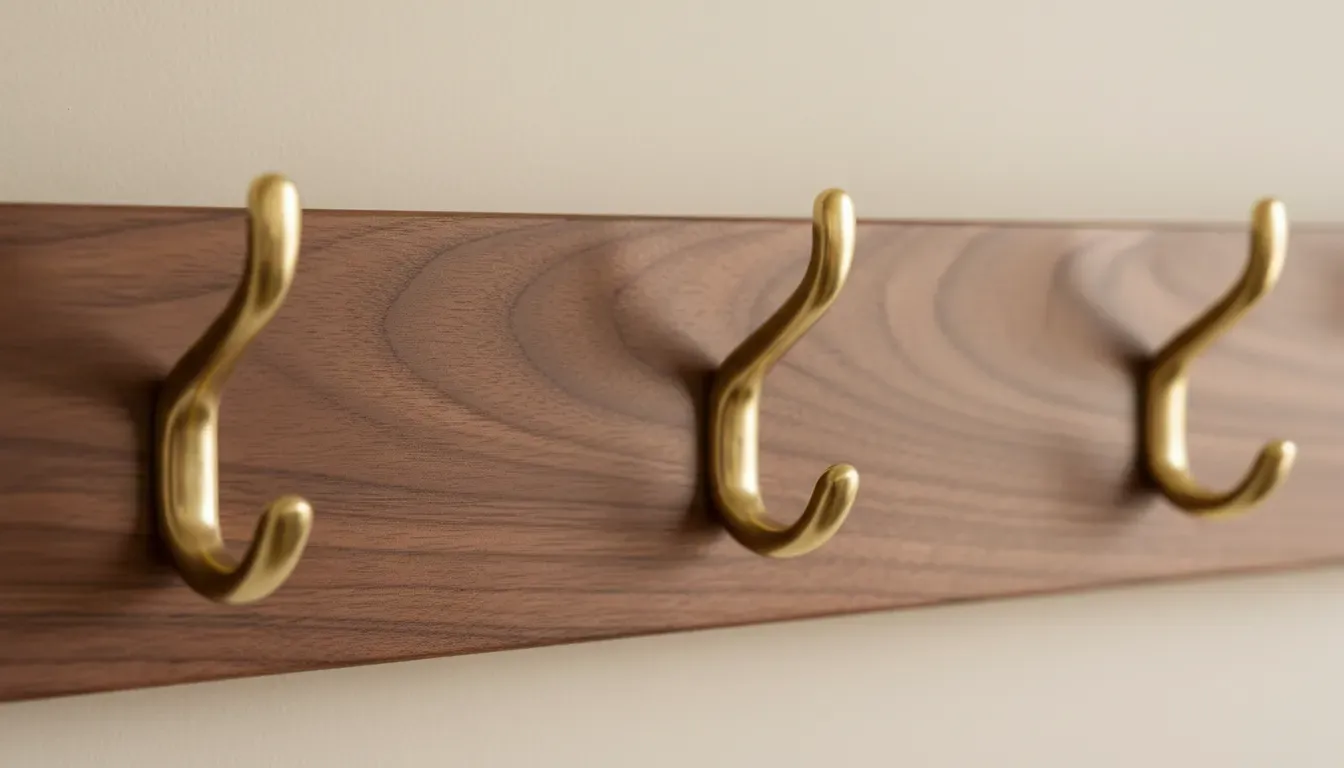
Wood has been the standard for furniture making for centuries, and for good reason. Its natural properties make it an inviting material for entryways, spaces that benefit from a sense of “welcoming.” Whether you prefer the deep, resonant tones of mahogany or the light, airy feel of birch, wood offers a versatility that is difficult to replicate with synthetic materials.
Aesthetic Versatility and Biophilic Design
One of the strongest arguments for wood is its aesthetic range. Wood fits effortlessly into almost any design archetype:
- Rustic and Farmhouse: Reclaimed wood with visible knots and imperfections adds history and charm.
- Mid-Century Modern: Sleek, tapered walnut or teak racks provide a retro-sophisticated look.
- Scandinavian: Pale woods like ash, maple, or pine contribute to a minimalist, bright, and clean atmosphere.
Beyond specific styles, wood introduces an element of biophilic design—the concept of connecting indoor spaces with the natural world. The visual texture of grain patterns can soften the often hard lines of architectural features, making the entryway feel less like a sterile corridor and more like a part of the home.
Durability and the “Patina” Factor
High-quality hardwoods (such as oak, maple, and cherry) are incredibly durable. A solid wood coat rack, properly joined, can hold substantial weight. Unlike plastic, which can snap, or cheap metal, which can bend, solid wood has a structural integrity that withstands years of use.
Furthermore, wood ages gracefully. While scratches and dents are inevitable in a busy mudroom, on a wooden piece, these marks often blend into the material, creating a patina that adds character over time. A scratch on a metal surface may look like damage; a scratch on a rustic wooden bench looks like history.
Environmental Considerations
For the eco-conscious homeowner, wood is often the superior choice, provided it is sourced responsibly. Look for products certified by the Forest Stewardship Council (FSC). Wood is a renewable resource, and at the end of its very long lifecycle, it is biodegradable.
The Drawbacks of Wood
Despite its benefits, wood is not without its vulnerabilities.
- Moisture Sensitivity: Wood is hygroscopic, meaning it absorbs and releases moisture from the air. In very humid climates, or if frequently exposed to soaking wet raincoats, wood can swell, warp, or even develop mold if not properly sealed.
- Cost: Solid hardwood furniture is an investment. While particleboard or MDF options exist, they lack the durability of real wood and can sag under heavy loads.
- Maintenance: To keep wood looking pristine, it may require occasional polishing or conditioning to prevent it from drying out or cracking.
If you are looking for a classic wooden solution, consider the following search for high-quality options: Shop Solid Wood Wall Mounted Coat Racks on Amazon
The Case for Metal: Strength, Sleekness, and Modernity
On the other side of the spectrum lies metal. Metal entryway fixtures have surged in popularity with the rise of industrial, modern, and minimalist interior design trends. Metal says “efficiency.” It is the material of choice for those who prioritize maximum strength with a minimal visual footprint.
Industrial Appeal and Modern Lines
Metal allows for designs that wood simply cannot achieve. Because metal is stronger per unit of volume, manufacturers can create incredibly thin, sleek hooks and racks that still hold immense weight. This makes metal ideal for:
- Small Spaces: A slim profile metal rack takes up less visual “air,” preventing a cramped entryway from feeling cluttered.
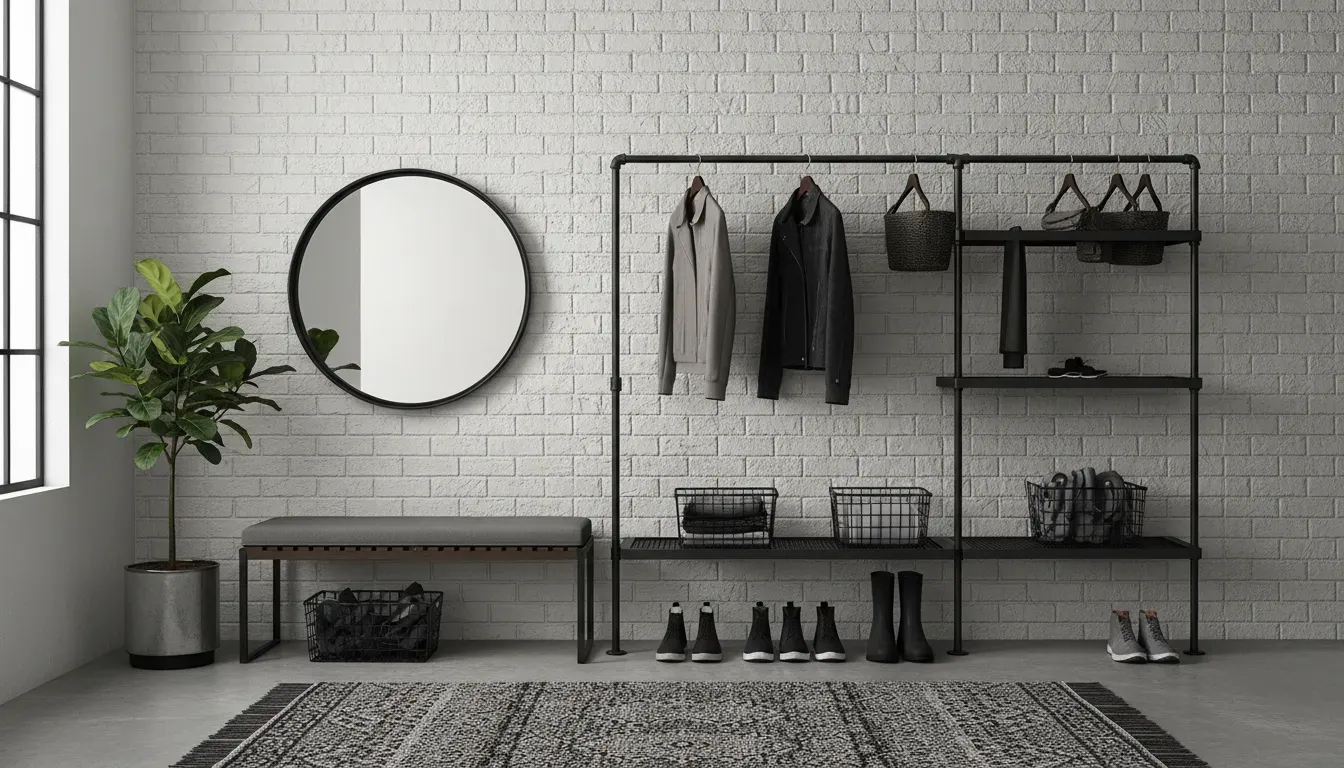
- Industrial Lofts: Black iron piping or brushed steel complements exposed brick and concrete floors perfectly.
- Contemporary Minimalism: The clean, sharp lines of a stainless steel or matte black rack align with the “less is more” philosophy.
Resilience and Load-Bearing Capacity
If your household includes children with heavy backpacks or you live in a climate requiring heavy wool coats and parkas, metal is often the practical winner. A welded metal rack is virtually indestructible under normal household use. There is no risk of the material cracking or splitting under a heavy load.
Furthermore, metal is impervious to pests and generally more resistant to direct impact damage than softer woods.
Moisture Resistance (With Caveats)
Unlike wood, metal does not warp when exposed to humidity. This makes it an excellent candidate for homes in damp climates or for mudrooms that see a lot of wet gear. However, the type of metal matters immensely here.
- Stainless Steel and Aluminum: These are naturally rust-resistant and ideal for wet environments.
- Iron and Steel: These must be powder-coated or painted to prevent rust. If the coating chips, oxidation can occur, leading to unsightly orange stains on your clothing or walls.
The Drawbacks of Metal
- Cold Aesthetic: Metal can feel sterile or “cold” to the touch and the eye. It lacks the inherent warmth of organic materials.
- Weight: While the rack itself might be sleek, solid metal fixtures can be heavy, requiring robust wall anchors and stud installation to ensure they don’t rip out of the drywall.
- Unforgiving Finish: While wood hides scratches, painted metal (especially glossy finishes) highlights them. Once a powder coating is scratched deep enough to reveal the base metal, it is difficult to repair seamlessly.
For those requiring heavy-duty solutions, browse these options: Shop Heavy Duty Metal Entryway Hooks on Amazon
Head-to-Head Comparison: Analyzing the Critical Factors
To help you make the final decision, let us compare the materials across four critical categories relevant to home organization.
1. Durability and Longevity
- Wood: Excellent longevity if kept dry. Susceptible to scratches, but these can be repaired or accepted as patina. Vulnerable to warping in high humidity.
- Metal: Superior structural strength. Resistant to warping. Vulnerable to rust if the finish is compromised.
- Winner: Metal for raw strength; Wood for aging gracefully.
2. Maintenance
- Wood: Requires dusting and occasional oiling (lemon oil or beeswax). Spills should be wiped up immediately to prevent water spots.
- Metal: Very low maintenance. Usually just requires a wipe-down with a damp cloth. Stainless steel may need specific cleaners to remove fingerprints.
- Winner: Metal.
3. Installation and Wall Impact
- Wood: Often lighter than solid iron, potentially putting less strain on drywall anchors if studs aren’t available. Wood racks often have larger backplates, distributing weight more evenly.
- Metal: Dense and heavy. Requires hitting a stud for secure installation, especially for coat racks. The contact points are often smaller, creating high-pressure points on the wall.
- Winner: Wood (generally easier to install).
4. Cost
- Wood: Large variance. Engineered wood is cheap; solid hardwood (Walnut, Oak) is expensive.
- Metal: Generally more affordable than high-end hardwood, though designer brass or copper fixtures can carry a premium price tag.
- Winner: Tie (dependent on quality).
The Best of Both Worlds: Mixed Material Racks
Why choose one when you can have both? The convergence of rustic and industrial styles has led to a boom in mixed-material furniture. This is arguably the most popular category in current entryway design.
Common configurations include:
- Wood Backplate with Metal Hooks: This offers the structural stability of metal hooks for holding heavy coats, combined with the aesthetic warmth of a wooden backing that protects the wall from scuffs.
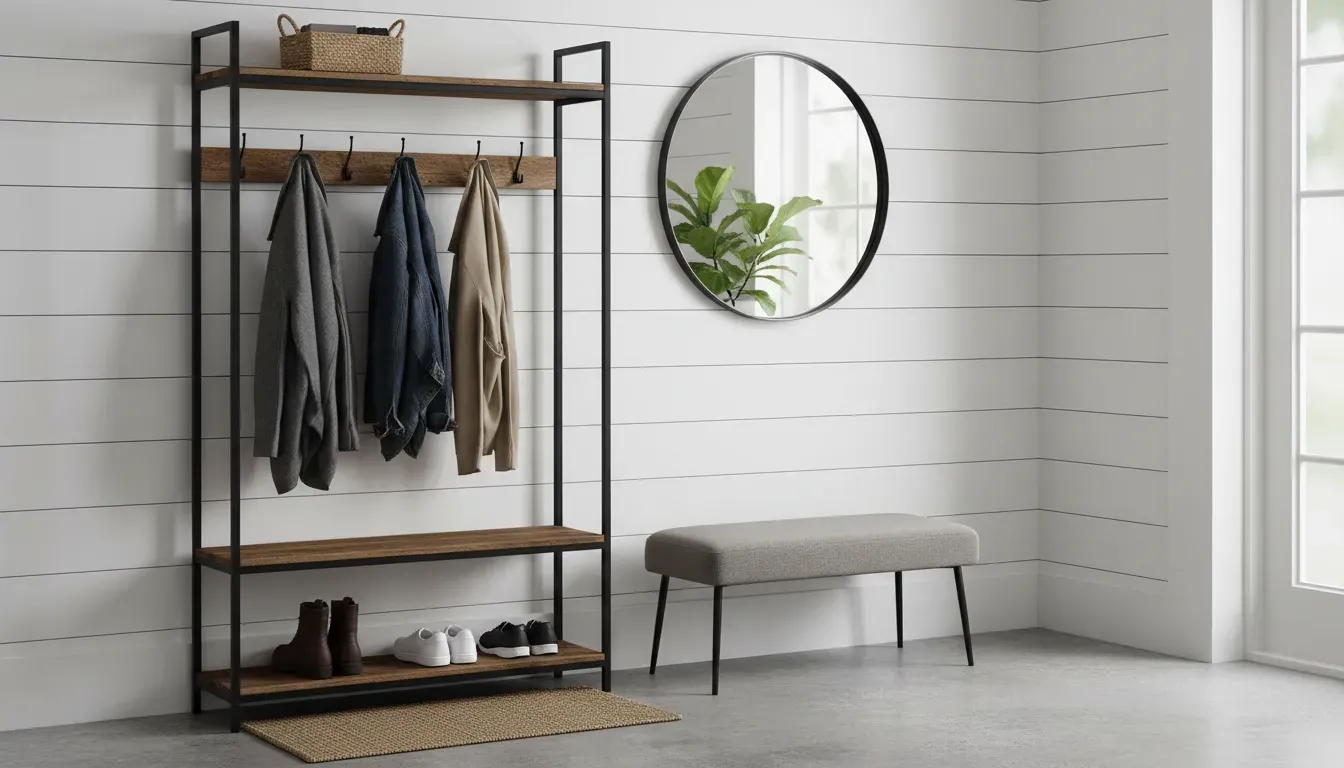
- Metal Frame with Wood Shelving: Often seen in standing hall trees, this design utilizes a metal skeleton for rigidity and wooden shelves for shoe storage or decorative baskets.
This hybrid approach allows you to coordinate with other furniture in the home. For example, if you have a wooden coffee table with metal legs in the living room, a mixed-material entryway rack creates a cohesive design narrative throughout the floor plan.
If you enjoy the industrial-chic aesthetic, consider a hall tree that combines both elements: Shop Industrial Pipe and Wood Hall Trees on Amazon
Selecting Based on Coat Types and Usage
Your wardrobe should dictate your hardware. It is a detail often overlooked, but the material and shape of the hook interact directly with your fabrics.
Delicate Fabrics (Silk, Satin, Lightweight Knits)
If your entryway often houses scarves, cardigans, or delicate rain shells, Wood is generally safer. Metal hooks, especially those with stamped edges or poor casting, can have burrs or sharp seams that snag and tear delicate fabrics. Wooden pegs are usually rounded and smooth, offering a gentle drape for clothing.
Heavy Duty Gear (Wool Coats, Leather Jackets, Motorcycle Gear)
For heavy gear, Metal is non-negotiable regarding the hook itself. Wooden pegs can snap under the weight of a rain-soaked wool trench coat. However, a metal hook mounted onto a solid wood board provides the best anchorage. Look for “double hooks” in metal designs to distribute the weight of heavy garments, preventing the fabric from stretching out at the neck.
Design Harmony: Matching Your Home’s Architecture
The architectural style of your home provides cues for your choice.
The Victorian or Craftsman Home: These homes feature intricate woodwork, crown molding, and wainscoting. A modern chrome rack would look jarringly out of place. Stick to Wood (Quarter-sawn Oak or Mahogany) or antique finishes like Oil-Rubbed Bronze or Brass to complement the history of the house.
The Modern Apartment or New Build: New construction often features white walls, open floor plans, and neutral flooring. Metal (Matte Black or Brushed Nickel) adds contrast and definition to these spaces. Alternatively, a very light, natural wood (like Beech or Ash) can add a “Scandi-style” warmth without feeling heavy or dated.
The Coastal or Lake House: Here, corrosion is a real threat due to salt air. Avoid standard iron. Opt for Stainless Steel, Brass (which will patina green but not rot), or Teak Wood, which is naturally resistant to moisture and rot.
Installation: The Hidden Variable
The material of the rack influences how it attaches to your wall.
Installing Wood Racks: Wooden racks usually feature a “cleat” system or pre-drilled holes through the face of the board. Because wood is easy to drill through, you can often drill new pilot holes if the pre-set ones do not align with your wall studs. This flexibility makes wood racks much more forgiving during installation.
Installing Metal Racks: Metal racks come with fixed mounting points. If these holes do not align with your studs (standard spacing is 16 inches on center), you are forced to use drywall anchors. Because metal racks are heavy and usually hold heavy loads, simple plastic plugs are insufficient. You will need toggle bolts or molly bolts to ensure the rack does not rip out of the drywall. You cannot simply “drill a new hole” in a metal rack without specialized tools and risking ruining the finish.
Conclusion: Making the Right Choice for Your Home
The debate between wood and metal for entryway hooks and racks does not have a single correct answer; it is a balance of your lifestyle constraints and your design aspirations.
Choose Wood If:
- You want to add warmth and organic texture to your entryway.
- You have an older home with traditional architectural details.
- You prefer a material that gains character with age.
- You are storing delicate items that might snag on sharp metal.
Choose Metal If:
- You need maximum weight capacity for heavy winter gear.
- You prefer a sleek, minimalist, or industrial aesthetic.
- You live in a high-humidity environment (opting for stainless steel or aluminum).
- You want a low-maintenance solution that is easy to clean.
Choose Mixed Materials If:
- You want the structural benefits of metal hooks with the wall protection of a wood backing.
- You are aiming for a trendy, industrial-chic or farmhouse style.
Ultimately, the best material is the one that serves your storage needs while making you smile when you walk through the door. Your entryway is the prologue to your home’s story—ensure the setting is both practical and beautiful. By weighing the factors of durability, maintenance, and style outlined above, you can confidently select the perfect rack that will stand the test of time and trend.