
Is a Custom Built-In Entryway Organization System Worth the Investment?
Tired of tripping over shoes? Discover the real ROI, hidden costs, and psychological benefits of a custom built-in entryway organization system before you spend a dime.
Mar 11, 2026 - Written by: Linda Wise
You step through the front door after a grueling nine-hour shift. Before you can even set down your bag, you trip over a stray winter boot, nearly crushing a rogue tennis racket, while a mountain of mail teeters precariously on a flimsy console table. The entryway—the very first interior threshold of your sanctuary—feels less like a welcoming embrace and more like a chaotic obstacle course.
I’ve personally found that the state of your foyer dictates the mental state of your entire evening. When the physical space is cluttered, cognitive friction skyrockets. This universal household pain point inevitably leads homeowners down a specific rabbit hole: researching permanent, architectural solutions. You start eyeing those gorgeous, floor-to-ceiling millwork installations on Pinterest and architectural digest blogs.
But then you see the price tag. Bespoke carpentry isn’t cheap.
Is a custom built-in entryway organization system worth the massive financial and temporal investment? Or are you better off piecing together modular furniture and hoping for the best? We are going to dissect the hard math, the psychological dividends, the architectural impacts, and the harsh realities of custom millwork to help you make an airtight decision.
Before we dive into the granular details of bespoke carpentry, you might be considering a high-quality modular alternative to test the waters. Here is a curated breakdown of top-tier off-the-shelf systems that mimic the built-in aesthetic for a fraction of the cost.
Quick Comparison: Top Picks
| Product | Rating | Check Price |
|---|---|---|
| Prepac Wide Hall Tree | ⭐⭐⭐⭐½ | View on Amazon |
| Sauder Harbor View Entryway Storage | ⭐⭐⭐⭐ | View on Amazon |
| Bush Furniture Salinas Hall Tree | ⭐⭐⭐⭐⭐ | View on Amazon |
The Anatomy of a High-Functioning Entryway
To understand the value of a custom system, we first need to define what a vestibule or mudroom actually does. It is not merely a pass-through. It is a decompression zone. It is the architectural airlock between the unpredictable outside world and the controlled environment of your home.
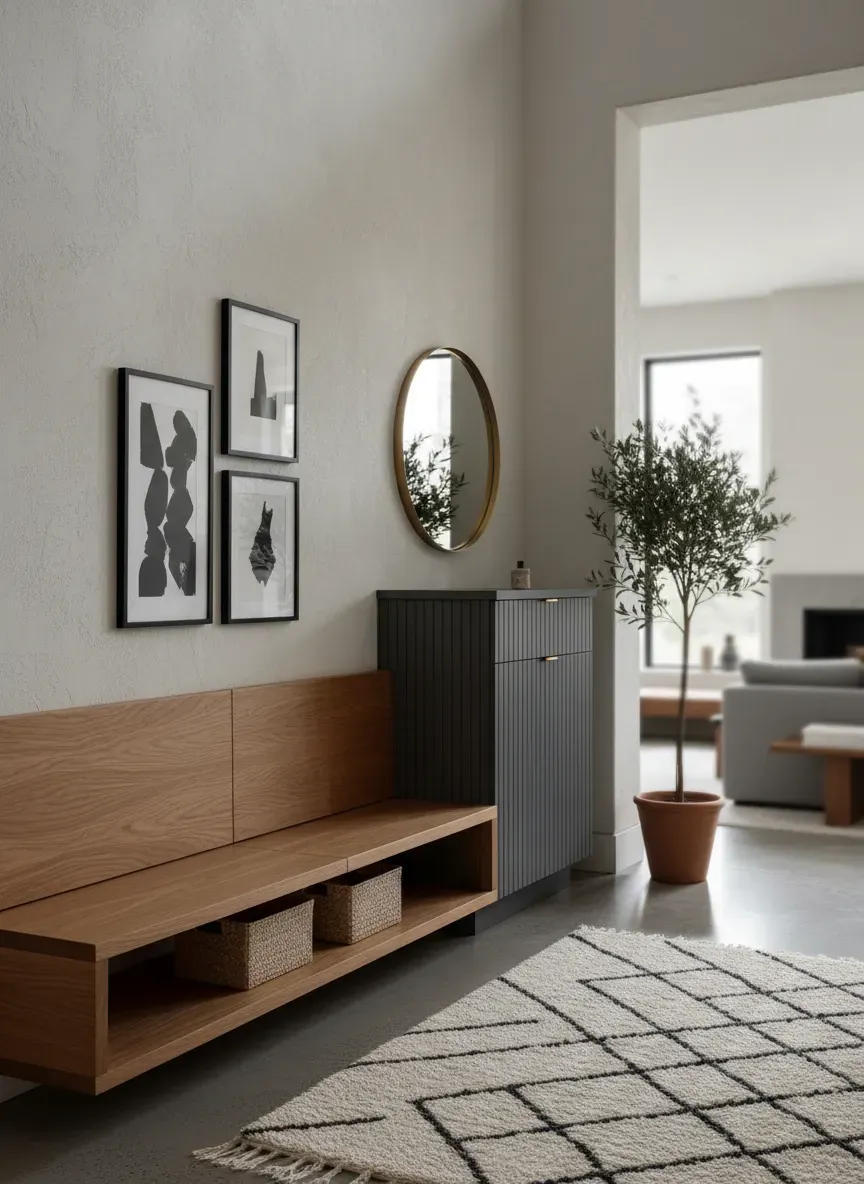
Form Meets Function: The Dual Purpose
Off-the-shelf furniture rarely respects the dual mandate of the foyer: it must be a heavy-duty workhorse while masquerading as a high-end design feature. Freestanding coat racks topple under the weight of wet wool winter coats. Wire shoe racks accumulate dirt that stains your baseboards.
A custom built-in attacks this problem through seamless integration. By anchoring the cabinetry directly to the studs, scribing the trim perfectly to your uneven walls, and wrapping the baseboards around the unit, the storage becomes a permanent fixture of the house. It eliminates dead space. Dust bunnies can no longer hide beneath a legged bench.
Pro Tip: When interviewing finish carpenters or cabinet makers, ask them about their “scribing” process. A true professional will scribe the side panels of the built-in to match the exact topography of your drywall, ensuring a flawless, gap-free installation that looks original to the home’s architecture.
Analyzing the True Cost of Custom Built-Ins
Let’s rip off the band-aid. A true custom built-in entryway system, designed from scratch and fabricated by a skilled local cabinetmaker, will typically run anywhere from $3,000 to $10,000 depending on your geographic location, materials, and scale.
That is a steep pill to swallow when big-box stores sell flat-pack hall trees for $300. To determine if the investment is justified, we have to look past the initial sticker shock and evaluate the distinct cost categories.
Hard Costs vs. Soft Costs
The hard costs of bespoke millwork are driven heavily by material science. If you opt for paint-grade MDF (Medium Density Fiberboard), your costs will be significantly lower than if you demand rift-sawn white oak with a clear stain. MDF is incredibly stable and paints beautifully, making it a fantastic choice for mudrooms where moisture and temperature fluctuate.
Labor is the other massive hard cost. You are paying for a craftsman’s decades of experience. You are paying for their liability insurance, their shop overhead, and the precision of their $5,000 table saws.
The soft costs—which are often ignored—are where custom built-ins shine. Consider the time you waste searching for lost items in a disorganized house. Consider the sheer frustration of replacing cheap, broken particleboard furniture every three years. A well-built custom unit will easily outlast your tenure in the home.
The ROI Factor: Home Valuation and Appraisal Impacts
Here’s the real kicker. Freestanding furniture depreciates the second you assemble it. A custom built-in is considered a permanent fixture and actually adds to your home’s fixed equity.
When a real estate appraiser evaluates your property, they look for high-end, permanent upgrades that elevate the home above comparable properties in the neighborhood. Dedicated, beautifully integrated storage—especially in high-traffic drop zones—is a massive selling point. Buyers walk through the front door, see a dedicated space for their future family’s clutter, and immediately experience a psychological sigh of relief. While you might not get a 100% dollar-for-dollar return on a $7,000 mudroom locker system, the accelerated speed of sale and the elevated perceived value of the home often bridge the gap entirely.
Custom vs. Off-the-Shelf: A Brutally Honest Comparison
You’ll notice that many homeowners try to split the difference. They buy modular cabinetry (like IKEA PAX or SEKTION systems) and attempt a DIY “hack” to make it look built-in by adding their own trim. While this is a brilliant budget-friendly approach, it still falls short of a true custom build in several critical areas.
Durability and Material Science
The entryway takes more abuse than almost any other room in the house. Heavy boots are kicked off. Sopping wet umbrellas are tossed aside. Backpacks filled with 30 pounds of textbooks are slammed onto benches.
Pre-fabricated furniture relies heavily on low-density particleboard and delicate laminate veneers. When water from a snow boot seeps into a particleboard seam, the material swells, bubbles, and flakes apart. It is irreversible damage. Custom builders, however, utilize robust materials like ¾-inch Baltic birch plywood for cabinet boxes, solid hardwood for bench seats, and catalyzed conversion varnish for paint finishes. This industrial-grade finish hardens like an enamel shell, resisting scratches, moisture, and the relentless wear-and-tear of daily life.
Spatial Efficiency and the Millimeter Rule
Homes are rarely built with perfect right angles. Ceilings sag, floors slope, and walls bow. If you buy a 60-inch wide freestanding bench for a 62-inch wide alcove, you are left with two inches of dead, unusable space where dog hair and dust will inevitably collect.
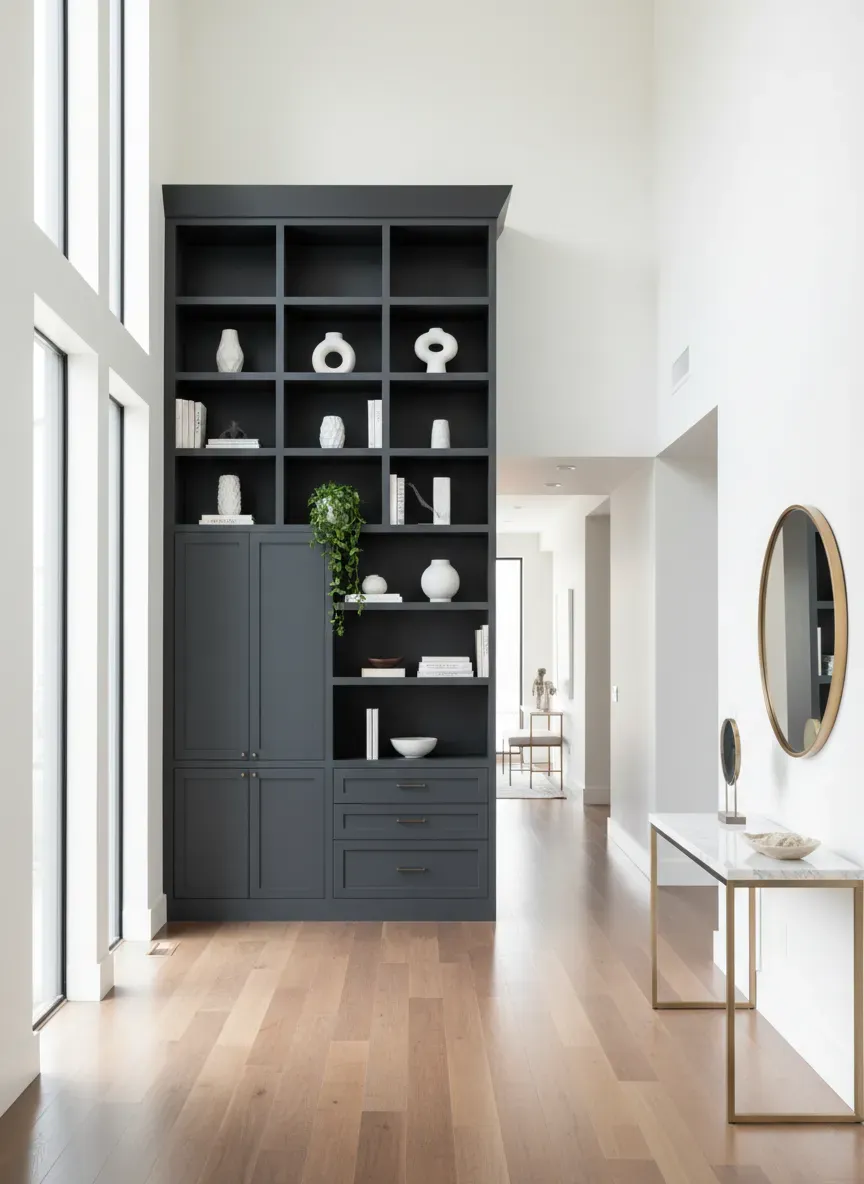
Custom millwork obeys the millimeter rule. It maximizes every cubic inch of available volume. The design goes from the floor right up to the ceiling, capped with crown molding. If you’re mapping out the specifications for your coats and boots, getting the perfect mudroom locker depth is non-negotiable; an inch too shallow, and winter parkas will spill over the threshold, obstructing the walkway. A custom craftsman measures the specific wingspan of your bulkiest winter gear and builds the internal dimensions around your actual life, rather than forcing your life to fit into a factory-standard box.
The Daily Psychological Dividends
We’ve talked about money and materials, but the true value of a bespoke entryway system is often intangible. It’s about mental bandwidth.
Minimizing Decision Fatigue
Every morning, you and your family face a barrage of micro-decisions. Where are my keys? Did I pack my laptop charger? Where is my left running shoe? These seemingly trivial questions burn through your cognitive reserves before you’ve even had your first cup of coffee.
A custom system thrives on hyper-specific zoning. When every single item has an exact, dedicated, and logically placed home, you eliminate kinetic friction. The act of getting out the door becomes an automated physical sequence rather than a frantic scavenger hunt. You shave ten minutes off your morning routine, drastically reducing the cortisol spike that usually accompanies the morning rush.
The “Launchpad” Effect
Professional organizers often refer to a highly optimized entryway as a “Launchpad.” This is a dedicated staging area where tomorrow’s necessities are prepared tonight.
With custom built-ins, you can design individual lockers or cubbies for each family member. The physical division of space prevents cross-contamination of clutter. Your teenager’s soccer cleats no longer migrate into your work tote. This localized accountability drastically reduces interpersonal friction within the household.
Designing Your Ultimate Entryway System: Practical Applications
If you decide to pull the trigger on a custom installation, the planning phase is where you secure your return on investment. A poorly designed custom built-in is just an expensive mistake. You must design with intention.
Zoning: Drop Zones, Deep Storage, and Display
A masterful built-in is divided into three distinct vertical zones:
- The Lower Zone (Ground to 18 inches): This is your heavy-duty drop area. Wet shoes, boots, and heavy bags live here. Do not put cabinet doors down here unless they are heavily ventilated (like a louvered door or decorative metal mesh). Storing damp shoes in a sealed MDF box is a recipe for mold and horrific odors. Opt for open cubbies or deep, heavy-duty pull-out drawers on heavy-duty undermount slides.
- The Mid Zone (18 inches to 60 inches): This is the active interface. Bench seating for putting on shoes, heavy forged hooks for daily-wear coats, and smaller catch-alls. While heavy millwork handles the coats and boots, you still need localized precision for everyday carry items, which is why integrating the best wall-mounted key organizer into an open alcove of your built-in prevents the dreaded morning panic.
- The Upper Zone (60 inches to Ceiling): This is your deep storage. Seasonal items go here. Winter hats and gloves during the summer; sunblock and beach towels during the winter. Because this area is harder to reach, enclose it with solid cabinet doors to hide the visual noise of off-season clutter.
Sneaky Storage and Clever Compartments
Because you are calling the shots, you can integrate hidden features that factory furniture could never accommodate. Need to charge devices? Have your electrician run an outlet directly into a concealed drawer, creating a hidden charging station that keeps messy cords out of sight.
Custom cabinets can even mask unexpected lifestyle equipment; I’ve seen clients dedicate lower, reinforced cabinetry to house compact stealth home gym gear, keeping kettlebells and resistance bands completely out of sight but readily accessible for a quick foyer workout before the house wakes up.
You can also integrate subtle LED strip lighting into the underside of your upper cabinets or beneath the bench overhang. This provides beautiful, ambient night-lighting that guides you into the house after dark without needing to flip on harsh overhead fixtures.
Potential Pitfalls and Mistakes to Avoid
Even with a healthy budget and a great carpenter, things can go sideways. If you are investing thousands of dollars, you must aggressively avoid these common design failures.
Over-Customizing for Current Needs Only
It is incredibly tempting to measure your five-year-old’s rain boots and build a dozen perfectly sized cubbies just for them. Fast forward a decade, and that teenager’s size 12 basketball sneakers absolutely will not fit in that tiny space.
Always design for the largest possible iteration of your family’s gear. Use adjustable shelving held up by discreet shelf pins rather than fixed, glued-in shelves. This allows the built-in to evolve as your family’s needs change. Flexibility is the hallmark of enduring design.
Skimping on Hardware
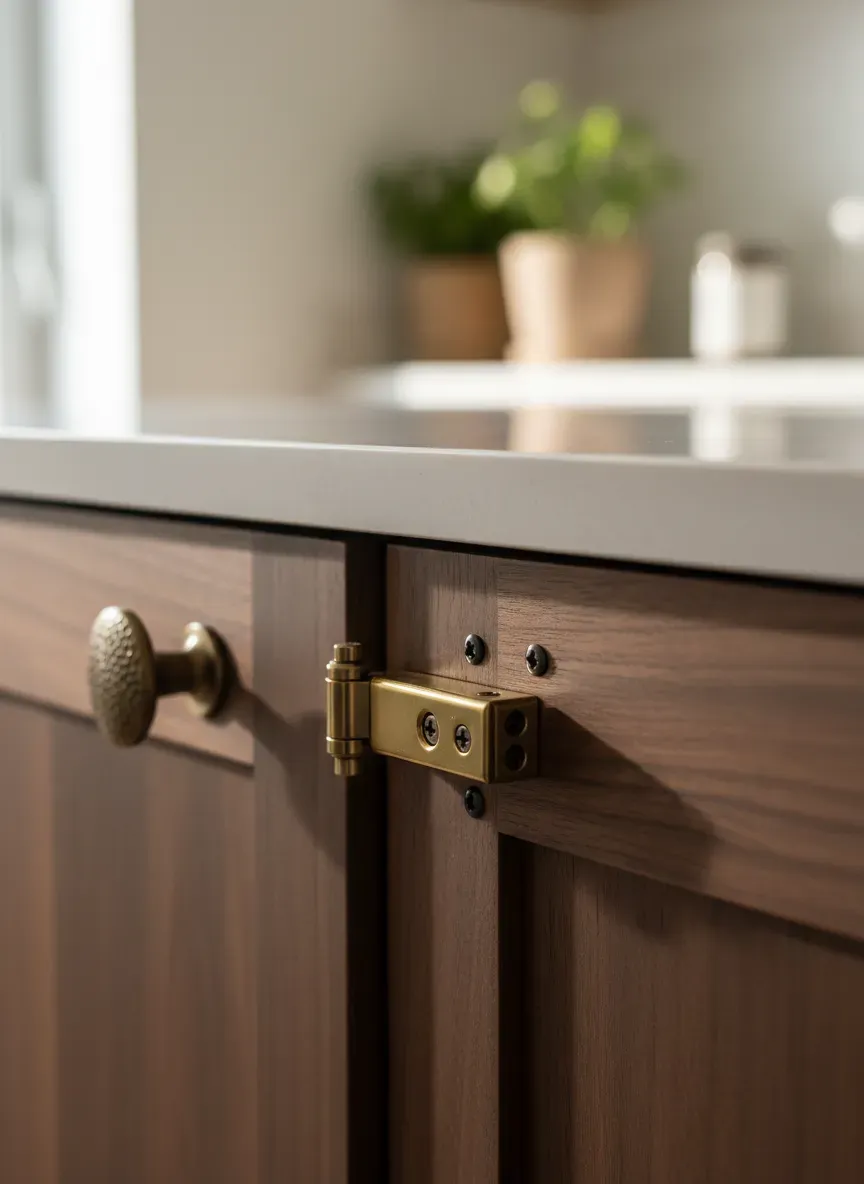
You can build a cabinet out of the finest walnut on earth, but if you use cheap, flimsy hinges, the entire system will feel like garbage within six months. The tactile experience of your entryway is dictated by the hardware.
Insist on premium, soft-close hardware. Brands like Blum or Salice are the gold standard in the cabinetry world. Soft-close hinges prevent the jarring slam of wooden doors echoing through the house. For drawers, insist on full-extension, undermount glides rated for at least 100 pounds. When a drawer is stuffed with winter gear, cheap side-mount glides will warp and derail.
Ignoring Ventilation and Climate Control
We briefly touched on this, but it bears repeating: the entryway deals with the elements. If you live in a snowy or rainy climate, trapping wet items in tight wooden enclosures will destroy the finish of your built-in and create a terrible scent.
If you absolutely must have doors hiding your shoe storage, ask your carpenter to route a ventilation slot into the toe-kick (the recessed area at the floor level of the cabinet) and leave a slight gap at the top of the door. This allows passive air circulation to dry out damp gear.
Key Takeaways for Your Custom Build
- Evaluate Your Routine: Track your family’s actual movement for a week before designing. Build around reality, not an idealized version of yourselves.
- Invest in Paint Grade: Don’t waste money on exotic woods if you plan to paint it. High-quality MDF or Birch plywood is superior for painted built-ins.
- Insist on Scribing: Ensure your installer custom-fits the unit to your walls rather than just caulking massive gaps.
- Prioritize Hardware: Spend the extra $200 on premium soft-close hinges and heavy-duty drawer glides. It makes all the difference.
- Go Vertical: Take the cabinetry all the way to the ceiling to maximize cubic volume and prevent dust accumulation on top of the unit.
The Verdict: When to Pull the Trigger on Custom
Deciding to commission a custom entryway system ultimately comes down to your intended timeline in the house and your tolerance for daily friction.
If you are renting, or if you plan to flip your current house within the next 24 months, custom millwork is likely a poor allocation of capital. You are better off investing in high-quality, freestanding modular pieces that you can unbolt and take to your next property.
However, if you are in your “forever home”—or at least a home you plan to inhabit for the next five to ten years—the math aggressively shifts in favor of custom. The upfront sting of the invoice fades quickly, replaced by the daily, quiet luxury of an organized life. You stop buying replacement furniture. You stop losing your keys. You stop feeling a spike of stress the moment you turn the doorknob.
The Bottom Line: A custom built-in entryway organization system is absolutely worth the investment if you value structural durability, optimized spatial efficiency, and the undeniable peace of mind that comes from a perfectly tailored home. It is not just about storing coats; it is about establishing a functional perimeter that protects the tranquility of your living space. When executed correctly, it is one of the highest-yield architectural upgrades you can make to your daily routine.