
Mid-Century Entryway Benches with Storage: Tapered Legs and Retro Appeal
Discover how mid-century entryway benches with storage blend retro aesthetics with modern organization. Explore styles, materials, and design tips.
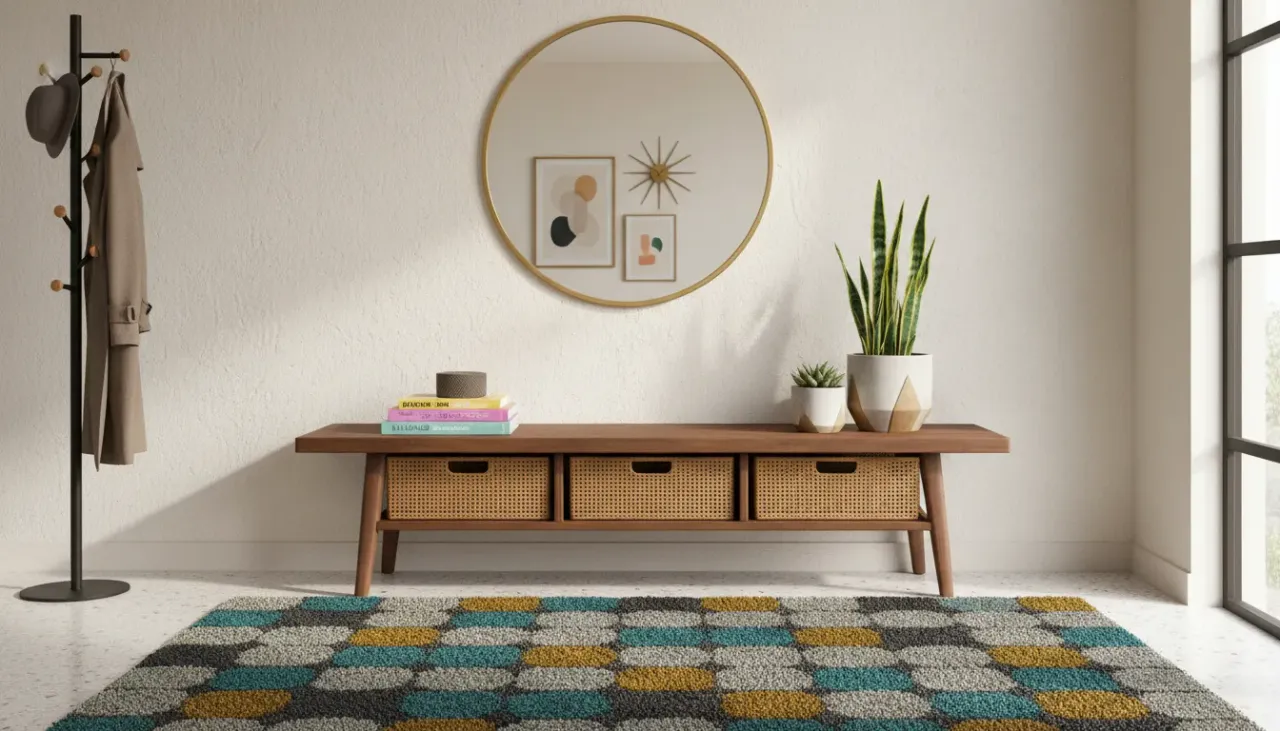
Feb 4, 2026 - Written by: linda wise

The entryway is the handshake of the home. It is the first space guests encounter and the final touchpoint before you step out into the world. Despite its importance, this transitional area often suffers from a crisis of identity, caught between the need for utilitarian storage and the desire for aesthetic beauty. The solution to this common interior design dilemma lies in a furniture piece that seamlessly marries form and function: the mid-century modern entryway bench with storage.
Characterized by clean lines, organic curves, and the iconic tapered leg, mid-century modern (MCM) design has maintained a stranglehold on the world of interiors for decades. It is not merely a trend but a design standard that champions accessibility and elegance. When applied to an entryway bench, this style transforms a simple drop zone into a curated vignette. This comprehensive guide explores the enduring appeal of these retro-inspired pieces, dissecting why they work, how to choose the right materials, and the best ways to integrate them into your home organization strategy.
The Enduring Allure of Mid-Century Modern Design
To understand the value of a mid-century bench, one must first appreciate the architectural philosophy that birthed it. Emerging roughly between the mid-1930s and the mid-1960s, this movement was a rebellion against the heavy, ornate styles of the pre-war era. Designers sought to create furniture that was lighter, more functional, and specifically tailored to the shrinking footprints of post-war housing.
Form Follows Function
The guiding principle of “form follows function” is nowhere more evident than in entryway furniture. A bench in the foyer cannot simply look good; it must perform. In the mid-century aesthetic, storage components are rarely clumsy add-ons. Instead, they are integrated into the silhouette of the piece. Cubbies are proportioned to fit standard objects, flip-top seats conceal deep wells without disrupting the visual line, and drawers feature minimal hardware to maintain a sleek profile.
The Iconic Tapered Leg
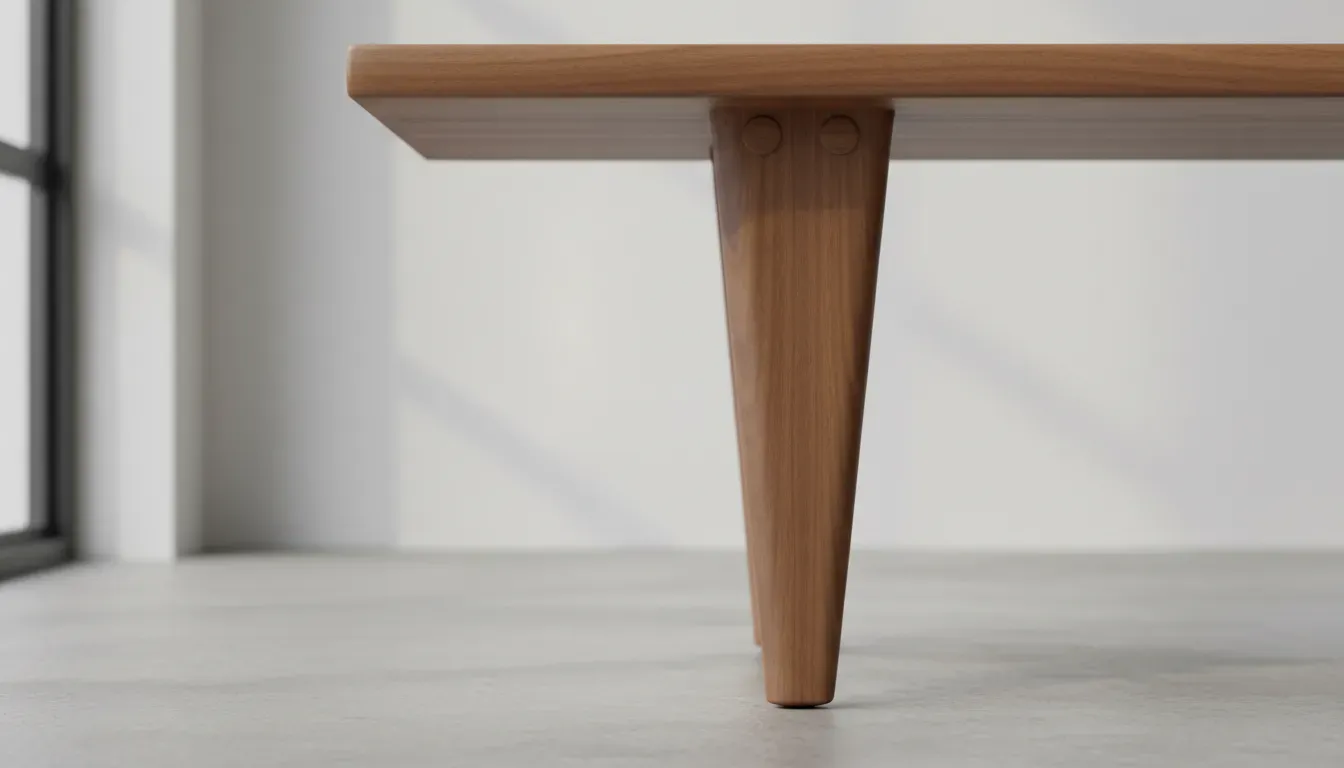
Perhaps the most defining feature of this genre is the tapered leg. Often angled slightly outward (splayed) and narrowing as it reaches the floor, the tapered leg serves a vital visual purpose. It elevates the body of the furniture, creating negative space between the cabinet and the floor. In a typically cramped entryway, this “floating” effect tricks the eye into perceiving the room as more spacious. Heavy, blocky furniture anchors a room but can make it feel smaller; a bench on tapered legs maintains an airy, open atmosphere essential for a welcoming entrance.
Why the Entryway Bench is a Home Essential
Beyond aesthetics, the necessity of an entryway bench is rooted in household logistics. The entry point is a high-traffic zone prone to clutter accumulation—shoes, mail, keys, bags, and seasonal accessories. Without a designated system, this chaos migrates into the living areas.
The “Drop Zone” Solution
A storage bench acts as the anchor for your “drop zone.” It provides a dedicated surface for momentarily placing groceries or bags while offering a comfortable seat for putting on or taking off shoes. This encourages a “shoes-off” policy in the home, which preserves your flooring and reduces cleaning time. By incorporating storage, the bench actively combats clutter.
If you are looking for a quintessential example of this design philosophy, consider checking availability for a classic piece: Check Price on Amazon
Versatility Across the Home
While labeled for the entryway, these benches are remarkably versatile. The retro appeal allows them to transition seamlessly into other rooms. They can serve as end-of-bed storage in a master suite, a window seat in a living room, or even seating in a dining nook. This adaptability makes investing in a high-quality mid-century piece a wise long-term decision, as the furniture can evolve with your living situation.
Key Features to Look For in MCM Storage Benches
When shopping for the perfect bench, the nuances of construction and material selection distinguish a high-end investment from a temporary fix.
Material Matters: Wood Tones and Finishes
Mid-century design is synonymous with warm, rich wood tones. Teak, walnut, rosewood, and oak are the standard bearers of the style.
- Walnut and Acorn: These darker, warmer finishes provide a sophisticated, grounding look. They contrast beautifully with lighter walls and add a sense of history to a new build.
- Ash and Birch: For a “Scandi-mod” approach—a blend of Scandinavian minimalism and mid-century modern—lighter woods offer a fresher, airier look.
- Veneers vs. Solid Wood: Vintage pieces are often solid wood or high-quality veneer over solid cores. Modern reproductions may use engineered wood with veneers. While solid wood is more durable, high-quality veneers are stable and resistant to warping, making them suitable for entryways where temperature fluctuations occur near the door.
Upholstery and Texture
Many mid-century benches feature upholstered cushions. Historically, these designs utilized durable, textured fabrics like tweed or boucle, often in earthy tones like olive green, mustard yellow, or burnt orange. Leather (or high-quality vegan leather) is another staple, offering easy cleanup—a significant advantage in a mudroom setting. When selecting upholstery, consider tufting; button-tufted cushions are a hallmark of the 1950s aesthetic and add depth to the furniture.
Storage Configurations
The “storage” aspect can manifest in three primary ways:
- Open Cubbies: Ideal for shoe storage. This allows for quick access and visibility but requires you to keep your shoes organized to maintain a tidy look.
- Flip-Top Compartments: The seat lifts on a hinge to reveal a deep chest. This is perfect for bulky items like winter scarves, blankets, or bags that you want hidden entirely from view.
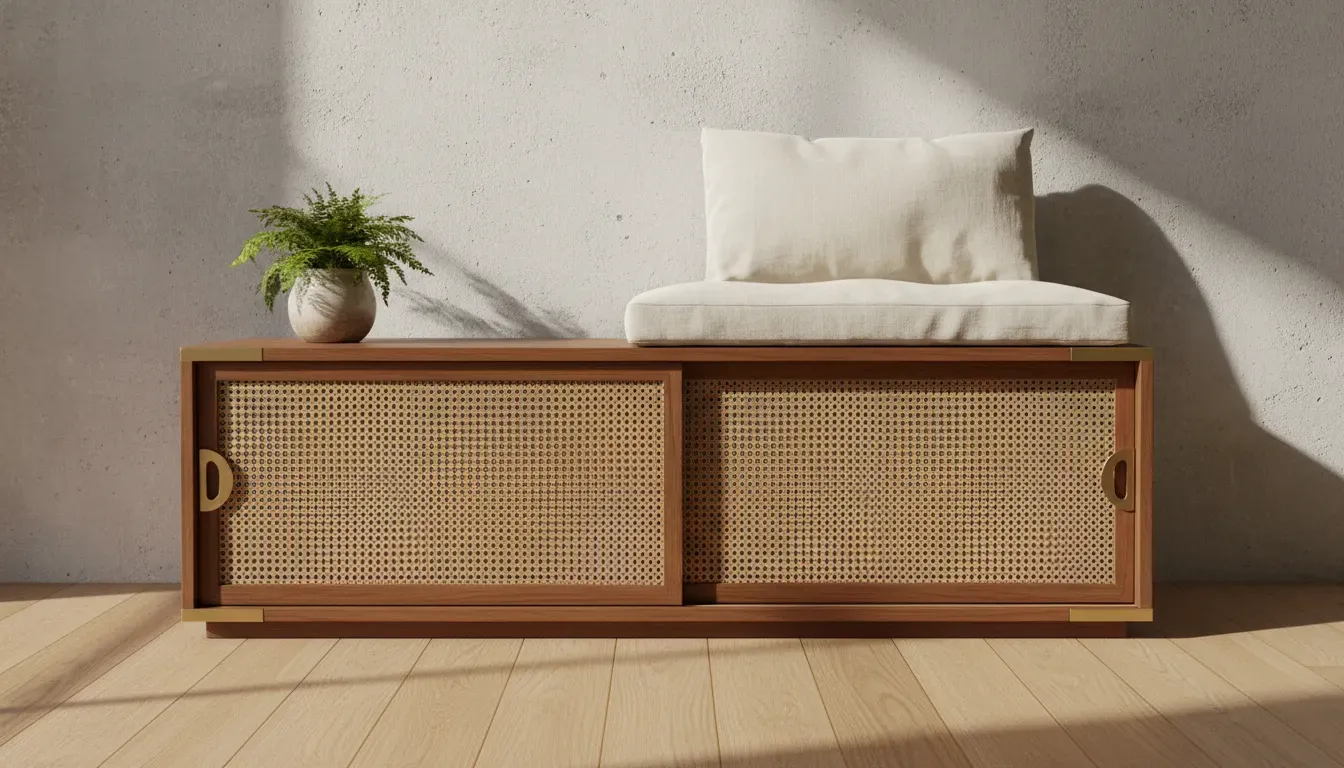
- Drawers and Sliding Doors: These offer the cleanest look. Sliding doors are particularly effective in narrow hallways where opening a drawer or cabinet door might block the path.
For those needing a compact solution with hidden compartments, this style is often a favorite: Check Price on Amazon
Styling Your Mid-Century Entryway
Once you have selected the bench, the next challenge is integrating it into your space. Mid-century modern design thrives on curation rather than clutter.
Establishing a Color Palette
The MCM palette is diverse, ranging from pastels to deep earth tones.
- The Neutral Base: Let the wood of the bench be the star. Keep walls white or cream to allow the silhouette of the tapered legs to pop.
- The Accent Wall: If your bench is a lighter wood, consider a dark moody wall color like charcoal or navy behind it to create drama.
- Pop of Color: Use the bench cushion or throw pillows to introduce color. Teal, chartreuse, and rust are period-appropriate choices that bring energy to the foyer.
Accessorizing with Intent
Do not let the bench stand alone. Create a vignette that draws the eye.
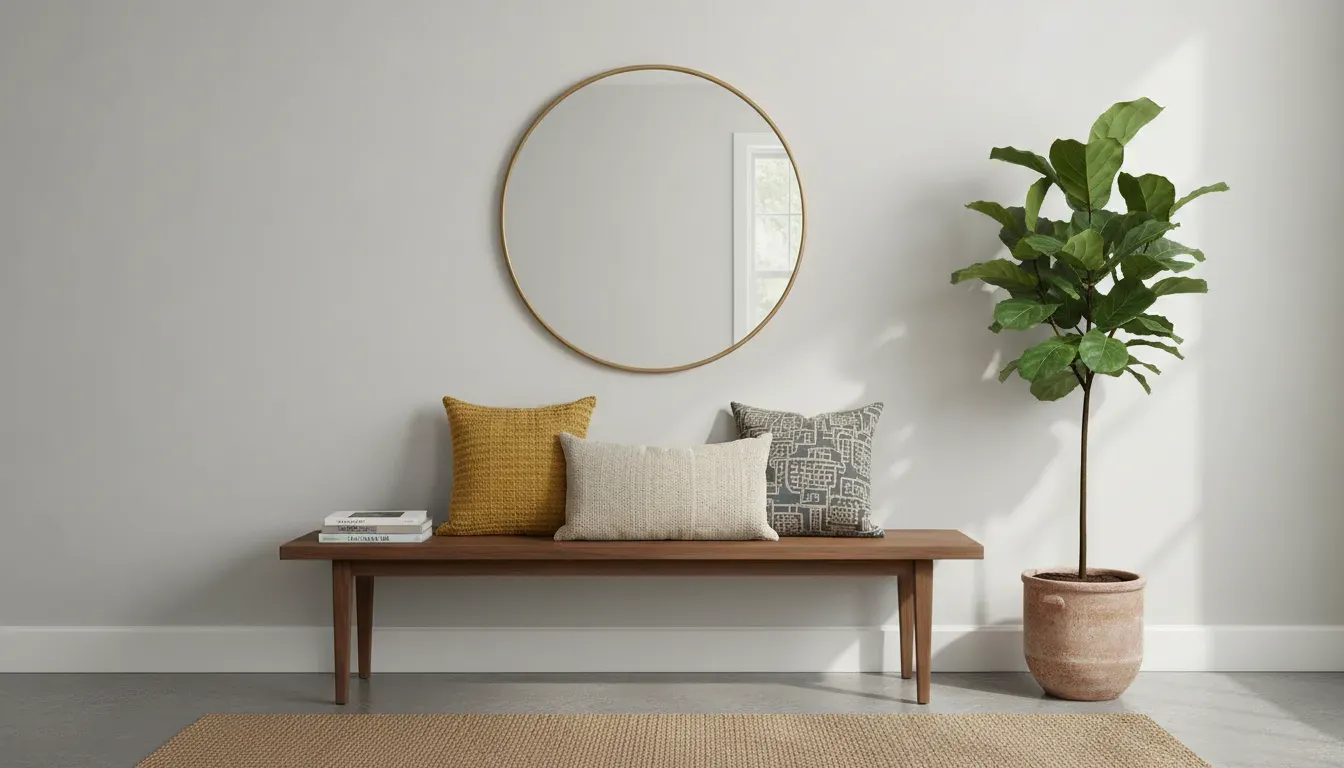
- The Mirror: Hang a large, geometric mirror (round or sunburst styles work best) above the bench. This allows for a final outfit check and reflects light, making the entryway feel larger.
- Lighting: A floor lamp with a brass finish or a pendant light with a globe shade complements the retro vibe.
- Greenery: The organic nature of MCM design pairs perfectly with plants. A Snake Plant or Fiddle Leaf Fig in a ceramic planter next to the bench adds life and height variance.
- Rugs: Place a runner with a geometric pattern or a vintage kilim rug in front of the bench to define the zone.
For more ideas on maximizing space in tight areas, read our guide on small foyer organization techniques.
Small Spaces vs. Grand Foyers
The scalability of mid-century design makes it applicable to various home sizes, but the selection criteria differ.
Maximizing Compact Entryways
In an apartment or a home with a small vestibule, the visual lightness of the tapered leg is non-negotiable. Look for benches that are “leggy”—meaning the storage compartment is shallower, showing more leg. This reduces visual bulk.
- Width: Ensure the bench allows for at least 36 inches of clearance for door swings and walkways.
- Multi-functionality: A bench with a built-in coat rack or a wall-mounted shelf above it maximizes vertical space without eating up floor area.
Statement Pieces for Large Halls
In a grand foyer, a small bench might look lost. Here, you can opt for longer benches (60 inches or more). You can also flank the bench with matching mid-century side tables or tall planters to extend the visual footprint of the arrangement. Darker woods like walnut command more attention and anchor large, airy spaces effectively.
The Intersection of Durability and Aesthetics
An entryway bench sees heavy use. It withstands the weight of people sitting, the abrasion of denim and zippers, and the moisture from damp coats or shoes.
Construction Quality
When evaluating a bench, check the joinery. Mid-century pieces often utilize dowel or mortise-and-tenon joints, which are stronger than staples or simple screws.
- Leg Attachment: The point where the tapered leg meets the body is a stress point. Ensure this connection is reinforced with a metal plate or a solid wood apron.
- Finish Durability: Polyurethane or lacquer finishes are more resistant to water and scratches than oil finishes, making them better suited for high-traffic entryways.
Fabric Performance
If opting for an upholstered bench, look for “performance fabrics.” These are textiles treated to resist stains and repel water. High-rub count fabrics (often used in commercial settings) ensure that the seat won’t fray after a few months of daily use.
For maintaining the look of your entryway, having the right care products or a bench with removable, washable covers is beneficial: Check Price on Amazon
DIY and Upcycling: The Vintage Route
For the purist, nothing beats an authentic vintage piece. Scouring flea markets, estate sales, and online marketplaces for original mid-century benches can be rewarding.
Restoring Vintage Finds
Often, you may find a mid-century coffee table or low cabinet that can be repurposed into a bench.
- Structural Integrity: Before converting a table to a bench, ensure it can support human weight. Many coffee tables were not designed for sitting. You may need to reinforce the frame.
- Adding a Cushion: A custom cushion can transform a low credenza into a comfortable seating area.
- Refinishing: Sanding down scratches and reapplying Danish oil can restore the glow to 60-year-old walnut.
The “Franken-Bench”
A popular DIY trend involves taking a simple storage box (like a generic white cabinet) and attaching aftermarket tapered legs. This allows for a customized height and look at a fraction of the cost of a designer piece. However, ensure the base of the cabinet is solid wood or reinforced plywood to hold the screws for the legs securely.
Top Trends in Retro Entryway Furniture
While the core of MCM design is timeless, current interpretations incorporate modern trends.
Mixed Materials
Contemporary mid-century benches often mix wood with other materials.
- Brass and Gold: Gold-capped legs (sabots) are a glamorous nod to the Hollywood Regency style that overlapped with mid-century modernism.
- Cane and Rattan: Woven cane door fronts or detailing provides texture and hides storage while maintaining airflow—ideal for shoe storage to prevent odors.
- Marble Tops: Some benches feature a stone top for durability, softening the look with wood legs.
The Return of Velvet
Velvet upholstery in jewel tones (emerald, sapphire, amethyst) is seeing a resurgence. It adds a layer of luxury and softness to the angular lines of mid-century furniture. While beautiful, velvet requires more maintenance in an entryway setting.
Organization Hacks for Your Storage Bench
Buying the bench is step one; organizing it is step two.
- Basket Inserts: If your bench has open cubbies, use felt or wicker baskets to hide clutter. This maintains the clean lines of the design.
- Shoe Risers: Inside a cabinet door, use small risers to stack shoes, doubling the capacity.
- Drawer Dividers: For benches with drawers, use dividers to separate keys, sunglasses, and mail. This prevents the “junk drawer” phenomenon.
- Scent Sachets: Place cedar blocks or lavender sachets inside the storage compartments to keep shoes and scarves smelling fresh.
For further inspiration on keeping your entrance tidy, explore our article on hidden storage solutions for mudrooms.
Frequently Asked Questions
Q: Can a mid-century bench support the weight of heavy winter boots and gear? A: Yes, provided the construction is solid. Look for benches with a weight capacity of at least 250-300 lbs. If storing heavy items inside, ensure the bottom of the drawer or compartment is reinforced.
Q: How do I mix a mid-century bench with a farmhouse or industrial interior? A: Mid-century design is surprisingly transitional. To mix with farmhouse, choose a bench with a more rustic wood grain and pair it with a woven rug. For industrial spaces, look for benches that combine wood with black metal hairpin legs or leather upholstery.
Q: Is it necessary to match the wood tone of the bench to my floor? A: No. In fact, matching too closely can make the furniture disappear. Aim for contrast. If you have dark floors, opt for a lighter acorn or oak bench. If you have light maple floors, a dark walnut bench will create a stunning focal point.
Q: What is the ideal height for an entryway bench? A: The standard seat height is between 18 and 20 inches. This is comfortable for the average adult to sit and tie shoes. If you add a thick cushion, factor that into the total height.
Conclusion
The mid-century entryway bench with storage is more than a piece of furniture; it is a declaration of style and a commitment to order. By combining the nostalgic elegance of tapered legs and rich wood tones with the modern necessity of organization, these benches resolve the conflict between beauty and practicality.
Whether you choose a sleek walnut piece with hidden drawers, a tufted upholstered bench with a flip-top, or a vintage restoration project, the result is the same: a welcoming, clutter-free entrance that sets a sophisticated tone for the rest of your home. In the world of interior design, trends come and go, but the marriage of retro appeal and smart storage is a union built to last. Investing in this classic silhouette ensures your entryway remains functional and fashionable for years to come.