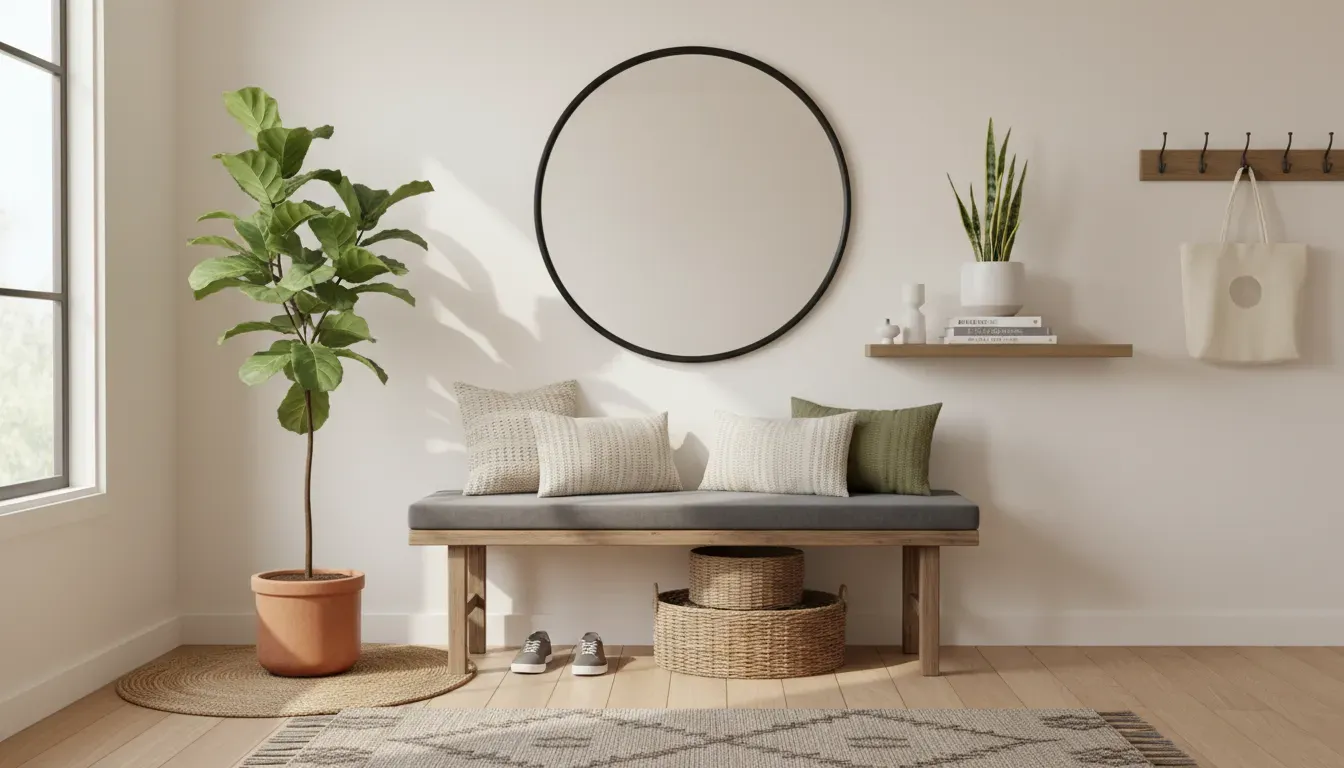
Using Entryway Benches with Storage to Conquer Seasonal Clutter
Discover how to transform your foyer into an organized sanctuary using entryway benches with storage to manage seasonal transitions and daily messes.
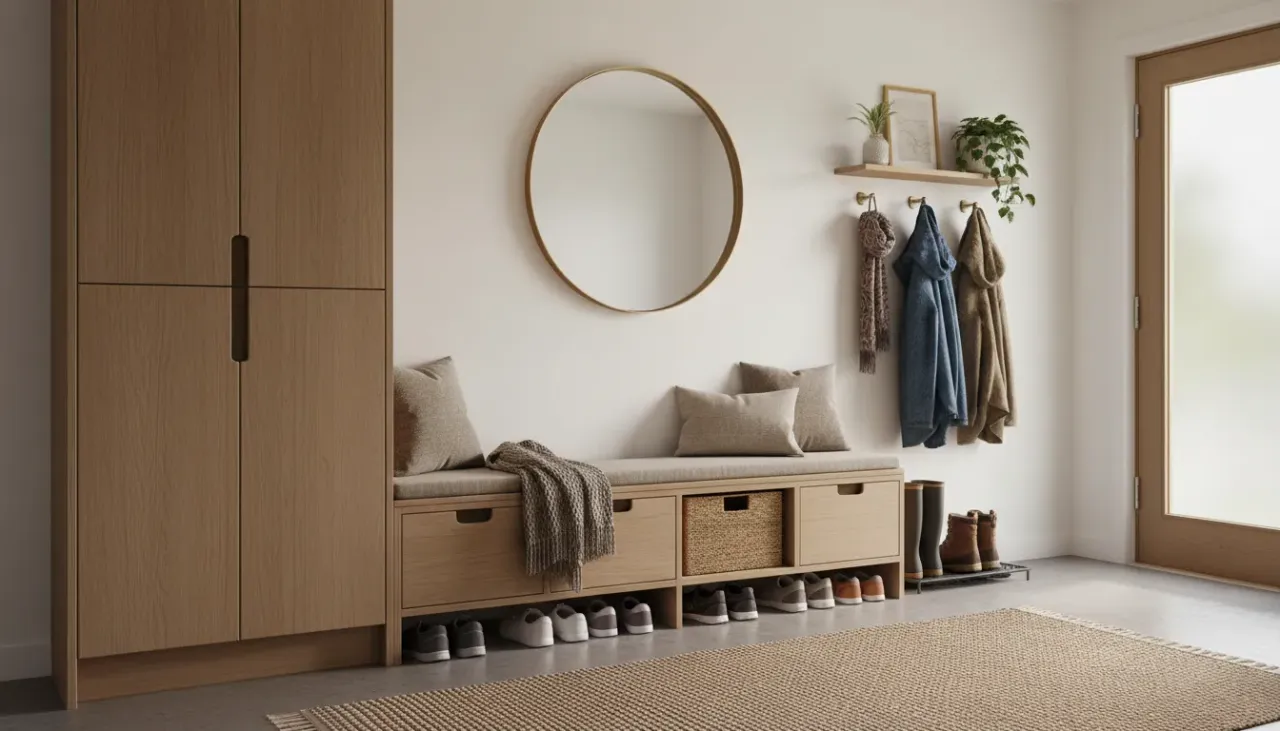
Feb 4, 2026 - Written by: linda wise

The entryway is the handshake of the home. It is the first space that greets you after a long day and the final impression guests receive upon departure. Yet, functionally, it often serves as a chaotic catch-all zone. It is a transitional threshold where the outside world meets the interior sanctuary, and as such, it accumulates the detritus of daily life. From muddy boots in the winter to sandy sandals in the summer, the foyer bears the brunt of seasonal shifts.
Managing this influx of items requires furniture that is as hardworking as it is aesthetically pleasing. The entryway bench with storage stands out as a premier solution for this perpetual problem. It is a dual-purpose powerhouse, offering a place to sit while removing shoes and a hidden repository for the items that typically clutter the floor.
In this comprehensive guide, we will explore how to leverage storage benches to maintain a pristine home entrance regardless of the season. We will delve into design selection, organizational strategies, and maintenance tips to ensure your entryway remains a welcoming beacon rather than a cluttered obstacle course.
The Anatomy of the Seasonal Drop Zone
To understand why an entryway bench is essential, one must first understand the nature of the “drop zone.” This is the area within five feet of the door where items are instinctively discarded. Psychologically, humans are wired to unburden themselves immediately upon entering a safe space. We drop keys, shed coats, and kick off shoes.
Without a designated system, this behavior results in piles. The content of these piles changes with the calendar, creating a rotating inventory of clutter that requires a dynamic storage solution.
Winter: The Heavyweight Challenge
Winter presents the most significant volume of clutter. Heavy wool coats, bulky scarves, thick gloves, and substantial boots consume immense amounts of space. Furthermore, these items are often wet or soiled with road salt and snow. A standard shoe rack is often insufficient for tall boots, and coat hooks can easily become overcrowded.
Spring: The Mud and Rain Season
As the snow melts, the challenge shifts from bulk to debris. Umbrellas, raincoats, and galoshes introduce water and mud into the home. Organization during this season requires materials that are moisture-resistant and easy to clean.
Summer: The Sand and Sport Season
Summer clutter is often underestimated. It consists of beach towels, sunscreen bottles, gardening tools, and an endless array of flip-flops. While these items are lightweight, they are numerous and tend to migrate throughout the house if not corralled immediately at the door.
Autumn: The Layering Transition
Fall brings a mix of light jackets, school backpacks, and sports equipment. It is a season of high traffic, particularly for families with children. The entryway must accommodate the rapid pace of school mornings and the accumulation of layers as temperatures fluctuate.
Why the Storage Bench is the Superior Solution
While console tables and wall hooks have their place, the storage bench addresses the two primary needs of an entryway: seating and concealment.
Ergonomics and Comfort
Removing footwear, particularly tight boots or laced shoes, is difficult while standing. A bench provides a stable, comfortable surface for this task. For households with elderly family members or young children, this seating is not a luxury; it is a necessity for safety and ease of movement.
Visual Calm through Concealment
The primary advantage of a storage bench over open shelving is the ability to hide visual noise. Open shoe racks, even when organized, can look busy and cluttered. A bench with doors, drawers, or opaque baskets creates a clean line of sight. By tucking items away, you instantly elevate the sophistication of the space.
Maximizing Vertical and Horizontal Space
In narrow hallways, floor space is at a premium. A bench utilizes the horizontal footprint efficiently. When paired with wall-mounted hooks or a shelf above, it creates a complete “mudroom” functionality without requiring a dedicated room.
Choosing the Right Type of Storage Bench
Not all benches are created equal. The market offers a variety of mechanisms and configurations, each suited to different storage needs and spatial constraints.
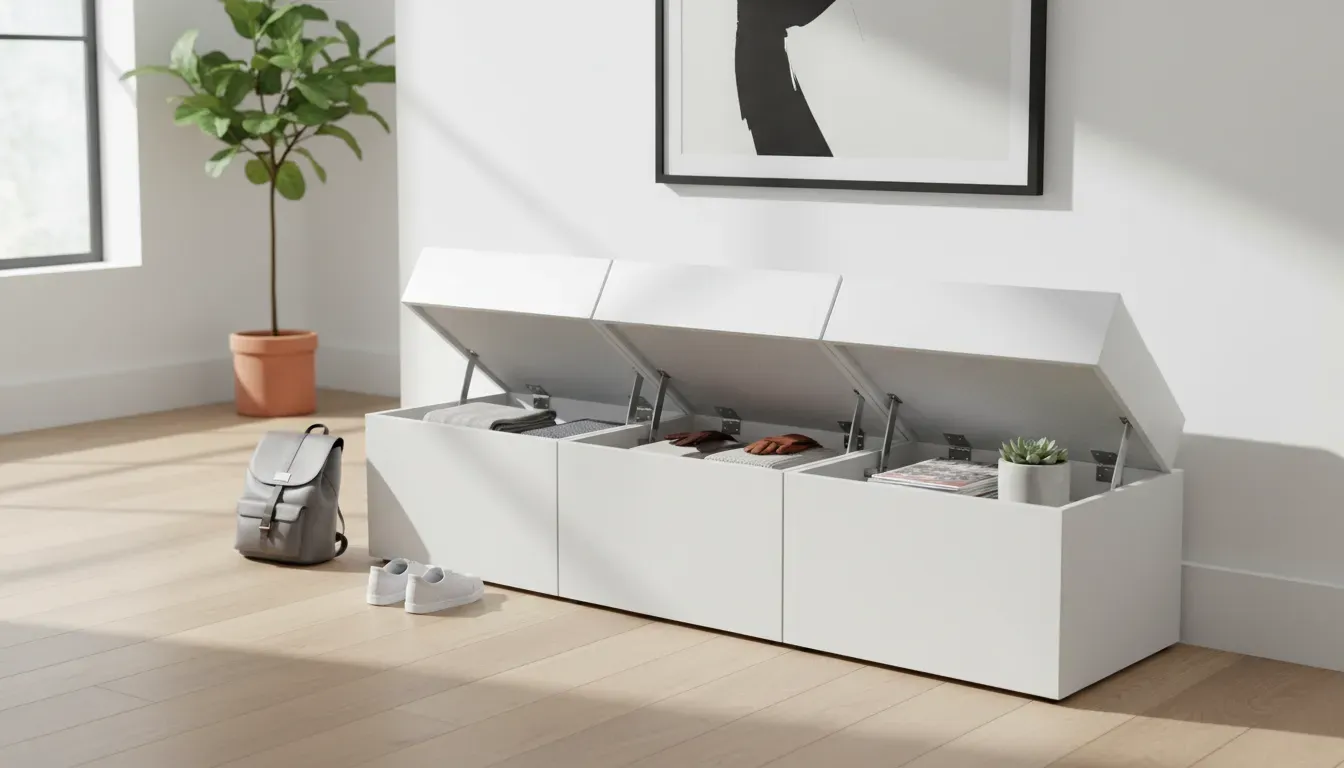
1. The Flip-Top Bench
This is the classic chest-style bench. The seat is hinged and lifts to reveal a deep, cavernous compartment.
- Pros: Excellent for large, bulky items like blankets, off-season coats, or sports gear.
- Cons: You cannot access the storage if someone is sitting on it. It can become a black hole where small items get lost at the bottom.
- Best For: Storing items that are not accessed daily, or large seasonal gear.
2. The Cubby Bench
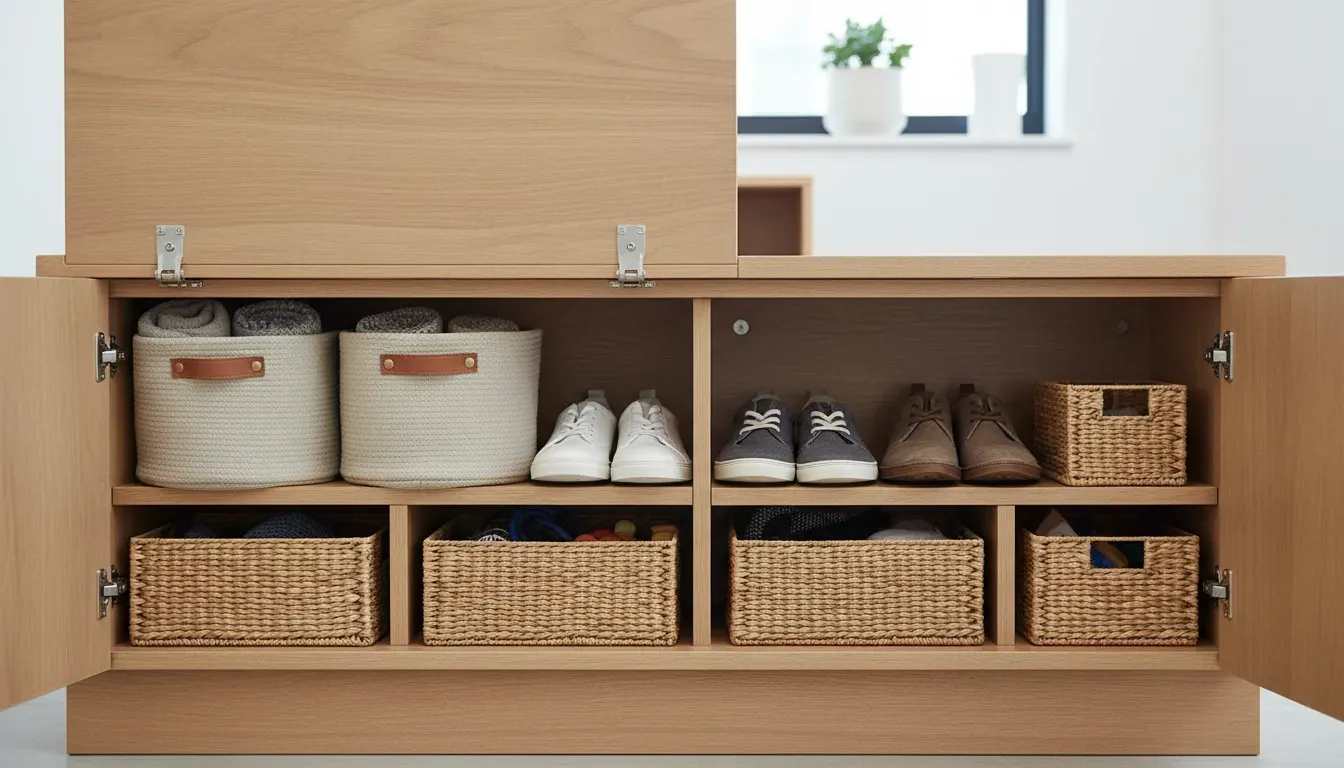
This style features open compartments underneath the seat, often sized to fit standard baskets or bins.
- Pros: Highly customizable. You can use baskets to hide clutter or leave cubbies open for easy shoe access. It allows for categorization (one basket per family member).
- Cons: Without baskets, it can look cluttered.
- Best For: High-traffic homes where speed is essential.
For those looking to implement a cubby system, finding a sturdy unit is key. You might consider looking into a versatile option like this: Check out this Cubby Storage Bench on Amazon
3. The Drawer Bench
These benches feature pull-out drawers built into the base.
- Pros: Offers the cleanest look. Great for organizing smaller items like gloves, hats, dog leashes, and mail.
- Cons: Drawers have mechanical parts that can fail if overloaded. Usually offers less total volume than a flip-top.
- Best For: Formal entryways where aesthetics are prioritized over heavy-duty storage.
4. The Shoe Rack Bench
Designed specifically for footwear, these have tiered shelves beneath the seat.
- Pros: keeps shoes ventilated and accessible.
- Cons: Does not hide the shoes (unless it has doors).
- Best For: “Shoes-off” households.
Selecting Materials for Durability and Style
The material of your bench dictates its longevity and how much maintenance it will require. The entryway is a high-impact zone, so durability should be a primary concern.
Solid Wood
Hardwoods like oak, maple, and walnut offer timeless beauty and immense structural integrity. They can withstand heavy weight and, if scratched, can be refinished. However, wood is susceptible to water damage. If you choose a wooden bench for a rainy climate, ensure it is sealed with a high-quality marine-grade varnish or polyurethane.
Engineered Wood and Laminate
These are cost-effective options that come in a wide variety of finishes. While they can mimic the look of real wood, they are generally less durable. If the laminate chips, water can seep into the particleboard core, causing it to swell. This material is best for dry climates or adult-only households.
Metal and Industrial Styles
Metal benches are incredibly durable and easy to clean. They fit well in modern, industrial, or farmhouse aesthetics. They are impervious to mud and water, making them ideal for harsh winters. However, they can feel cold and uninviting without the addition of textiles like cushions or throws.
Upholstered Benches
An upholstered bench adds a touch of luxury and softness to the entryway. However, fabric in a mudroom is a risk. If you opt for upholstery, choose performance fabrics treated for stain resistance, or leather/faux leather which can be wiped down. Avoid velvet or linen in high-traffic zones.
Strategic Placement and Sizing
Before purchasing a bench, precise measurements are critical. A bench that is too large will impede traffic flow, while one that is too small will look out of proportion and offer insufficient storage.
Measuring for Flow
Ensure there is at least 36 to 48 inches of clearance between the front of the bench and the opposite wall or door. This allows people to walk past comfortably while someone else is sitting to put on shoes.
The “Door Swing” Factor
Check the swing radius of your front door. The bench should not obstruct the door from opening fully. If your entryway is tight, look for a shallow bench (12 to 14 inches deep) rather than the standard 16 to 18 inches.
Visual Weight
Consider the visual weight of the piece. In a small, dark hallway, a heavy, solid wood chest might feel oppressive. A bench with legs and open space underneath, or a lighter color palette, can make the space feel larger.
For narrow spaces requiring a slim profile, you might investigate a compact solution: View Narrow Entryway Benches on Amazon
Organizational Strategies: Inside the Bench
Buying the bench is only step one. How you organize the interior determines whether it conquers clutter or merely hides it.
The Basket System
For cubby benches, baskets are essential. They act as drawers but are portable.
- Assign by Person: Give every family member a designated basket. This teaches children responsibility for their own gear.
- Assign by Category: Use one basket for “Winter Warmth” (hats/gloves), one for “Pet Supplies,” and one for “Outdoor Play.”
The Seasonal Rotation
You cannot store everything in the entryway year-round. Establish a rigorous rotation system.
- The Switch-Over: Twice a year (Spring and Fall), empty the bench completely. Move off-season items to deep storage (closets, attic, or under-bed bins).
- Deep Clean: This is also the time to vacuum out the interior of the bench to remove sand, dust, and dried mud.
Sub-Compartmentalization
In large flip-top benches or deep drawers, small items get lost. Use smaller internal organizers:
- Drawer Dividers: Keep keys separate from sunglasses.
- Mesh Bags: Use distinct bags for matching pairs of gloves so they don’t get separated.
- Boot Trays: If storing shoes inside a cabinet bench, use plastic trays to catch drips and protect the wood.
Styling Your Entryway Bench
A functional bench should also be a beautiful focal point. Styling helps integrate the piece into your home’s decor.
Textiles and Softness
Add a seat cushion if the bench is hard wood or metal. This adds comfort and an opportunity to introduce color or pattern. Throw pillows can add height and texture, but ensure they don’t take up so much room that there is no place to sit.
The “Power Wall” Above
The space above the bench is prime real estate.
- Mirror: A mirror allows for a final outfit check and reflects light, making the entryway appear larger.
- Hooks: Install a row of sturdy hooks 60 inches from the floor for coats and bags.
- Art: If you have a coat closet elsewhere, use the space above the bench for welcoming artwork.
Lighting
If your entryway lacks natural light, consider a wall sconce above the bench or a tall floor lamp adjacent to it. Good lighting is essential for finding items inside deep storage compartments.
For additional inspiration on maximizing small areas, you might find our guide on Small Space Organization helpful.
Maintenance and Care
To keep your storage bench looking new, regular maintenance is required, tailored to the season.
Dealing with Moisture
In winter and spring, moisture is the enemy. Never put soaking wet boots directly into a wooden enclosed bench. Use a boot tray on the floor for the initial drying phase, or wipe boots down before storage. Ideally, place a moisture-absorbing product (like silica gel packets or a small dehumidifier bucket) inside closed storage compartments to prevent mold and mildew.
Odor Control
Shoe storage can inevitably lead to odors.
- Ventilation: If possible, choose a bench with slat doors or a breathable back panel.
- Sachets: Place cedar blocks or lavender sachets inside drawers and bins. Cedar also helps repel moths from woolens.
- Cleaning: Wipe down the interior surfaces with a disinfectant spray monthly to kill bacteria brought in from the street.
Scratch Prevention
Grit and sand from summer activities can scratch wood finishes. Place a felt liner or a rubber mat at the bottom of drawers and cubbies. This creates a barrier between the furniture and the abrasive debris on shoes and toys.
Advanced Tips for Specific Households
Different families have different “clutter profiles.” Here is how to adapt the storage bench for specific needs.
The Pet Owner
For dog owners, the entryway is “walk central.” Use a drawer or a basket specifically for leashes, waste bags, and treats. If you have a large bench, the space underneath can sometimes be modified to house a dog bed, turning the bench into a crate/seating hybrid.
The Large Family
If you have three or more children, a single bench may not suffice. Consider an L-shaped corner bench configuration to maximize seating and storage. Alternatively, pair a bench with a vertical locker system. Assigning specific hooks and bins is crucial here to prevent turf wars over space.
The Apartment Dweller
In rentals or small apartments, multi-functionality is key. Look for a bench that can double as extra dining seating when guests are over. Lightweight, backless benches are easiest to move around the room.
If you require a heavy-duty solution that acts as a comprehensive furniture piece, consider a hall tree which integrates the bench into a larger unit: Explore Hall Trees with Storage Benches on Amazon
DIY Customization
If you cannot find the perfect bench, consider customizing a stock piece.
- Hardware Swap: Change generic knobs and pulls for high-end brass or matte black hardware to match your home’s lighting fixtures.
- Paint: A coat of semi-gloss paint can transform a thrifted bench. High-contrast colors (like navy blue or charcoal) hide scuffs better than white.
- Cushion Re-upholstery: Stapling a new fabric over a drop-in seat cushion is one of the easiest DIY projects and allows you to coordinate with your living room textiles.
For more ideas on creating a cohesive look throughout your corridors, read our article on Hallway Decor Ideas.
Conclusion: Reclaiming the Threshold
The entryway sets the tone for your entire home. When it is cluttered, it creates a subconscious sense of stress the moment you walk through the door. When it is organized, it offers a breath of relief.
Using an entryway bench with storage is not just about buying a piece of furniture; it is about implementing a system. It allows you to conquer seasonal clutter by providing a designated home for the items that otherwise land on the floor. Whether you choose a rustic wooden chest, a sleek modern cubby, or an industrial metal seat, the key is consistency. By rotating items seasonally and adhering to a “place for everything” philosophy, you can transform your entryway from a chaotic drop zone into a serene and welcoming introduction to your life.
Invest in the right bench, customize the interior organization, and enjoy the peace of mind that comes with a clutter-free entrance.