Hall Tree Vs Coat Rack: Which Is Better?
An expert structural and spatial comparison between hall trees and coat racks. Learn load capacities, spatial footprints, and installation mechanics to choose your perfect entryway storage.
Jul 29, 2026 · Linda Wise
5 min readThe entryway is your home’s handshake. It is also the primary battleground against household clutter.
When you cross the threshold, your gear needs a landing zone. Keys, coats, muddy boots, backpacks, and umbrellas all demand immediate placement. If your entryway lacks a dedicated system, these items inevitably colonize your kitchen island, dining chairs, or living room floor.
Choosing the right storage system comes down to a classic design duel: the hall tree vs. the coat rack.
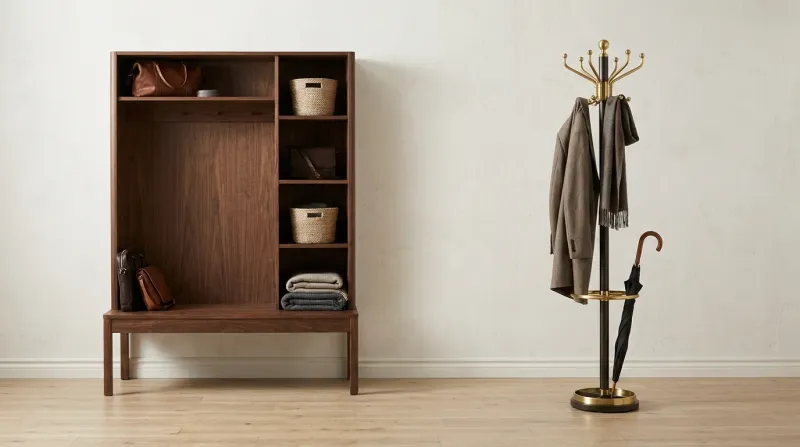
A hall tree is an all-in-one furniture piece featuring a bench, hooks, shelving, and sometimes a mirror. A coat rack is a streamlined, vertical post with hooks, or a wall-mounted rail designed solely for hanging garments.
Which is better? The answer is not a simple matter of taste. It is a calculated decision based on floor area, wall structure, household size, load tolerances, and budget. This guide breaks down the structural physics, spatial constraints, and real-world utility of both options to help you choose the best system for your home.

Quick Comparison: Top Picks & Benchmarks
Before dissecting the engineering and design differences, look at how the top performers on the market stack up across key categories.
| Product | Footprint & Type | Key Materials | Load Capacity | Rating | Check Price |
|---|---|---|---|---|---|
| VASAGLE Industrial Hall Tree with Bench | Large / Freestanding All-in-One | Engineered Wood, Alloy Steel | Bench: 220 lbs, Hooks: 6.6 lbs each | 4.7/5 | Check Price on Amazon |
| Frenchi Home Furnishings Wooden Coat Rack | Micro / Freestanding Pole | Solid Rubberwood | Overall: 50 lbs (evenly balanced) | 4.5/5 | Check Price on Amazon |
| Kings Brand Metal Entryway Storage Organizer | Medium / Hybrid Bench & Rack | Powder-Coated Steel, Wire Grid | Bench: 180 lbs, Hooks: 10 lbs each | 4.6/5 | Check Price on Amazon |
Decoding the Fundamentals: Anatomy & Mechanics
To choose between these two storage solutions, you must first understand how they function under load and how they interact with your space.
The Hall Tree: The Integrated Heavyweight
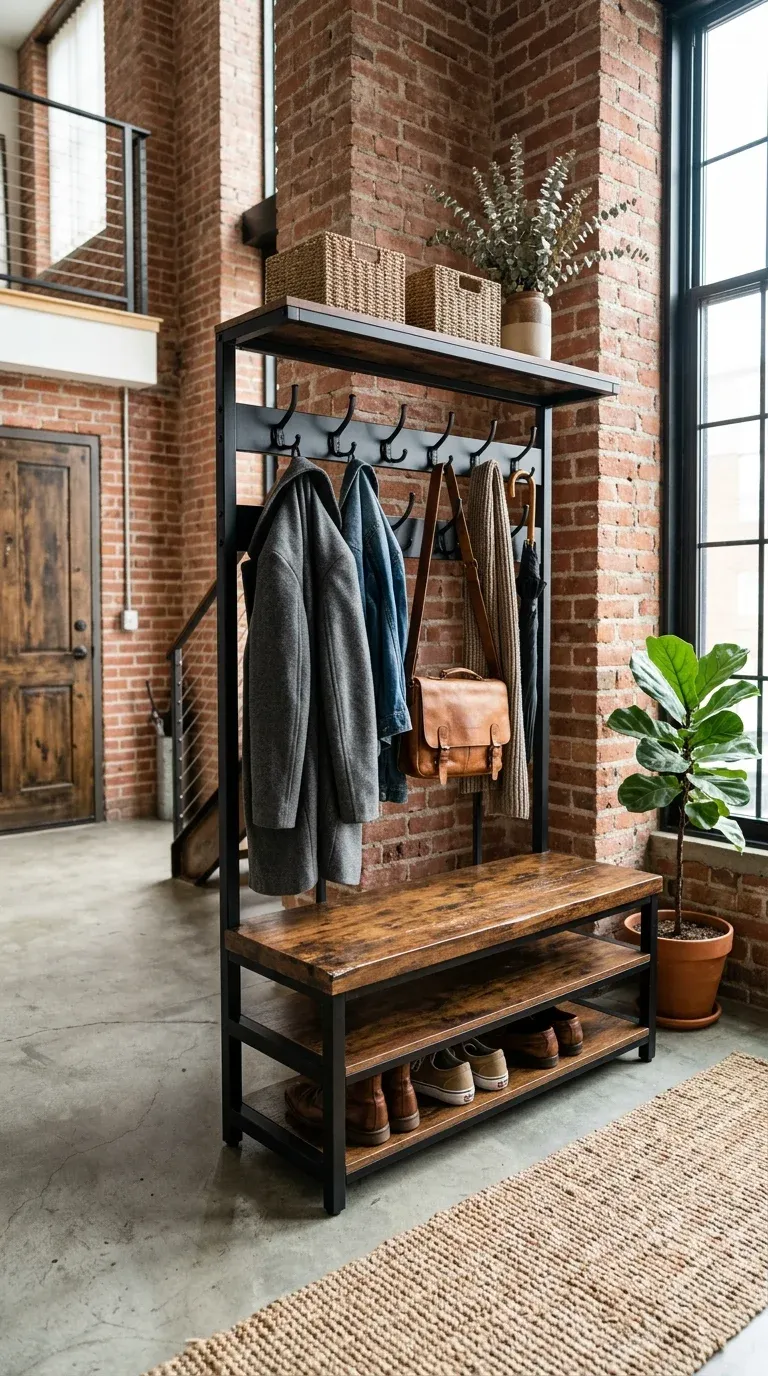
A hall tree is a multi-functional hub. It is designed to handle multiple tasks at once: seating, hanging, shoe storage, and organizing small items.
+----------------------------------------+
| Top Shelf |
+----------------------------------------+
| [Hook] [Hook] [Hook] | <-- Upper Hanging Zone (Coats, Scarves)
| |
| Back Panel |
| (Beaded Board / Metal Grid) |
| |
+----------------------------------------+
| Bench Top | <-- Seating Zone (200+ lbs capacity)
+----------------------------------------+
| [Cubby 1] | [Cubby 2] | <-- Lower Shoe & Basket Storage
+----------------------------------------+
The engineering of a classic hall tree relies on a wide, low center of gravity. The heavy base—often consisting of a storage bench or shoe cubbies—acts as an anchor.
This weight distribution makes hall trees incredibly stable. High-quality models feature a solid back panel, which prevents side-to-side wobble (known as racking).
The hooks on a hall tree are mounted directly into structural backboards or steel crossbeams. This design allows them to support heavy winter coats and loaded backpacks without bending or pulling out of the frame.
The Coat Rack: The Vertical Minimalist
Coat racks prioritize vertical space over horizontal storage. They fall into two main categories: freestanding poles and wall-mounted rails.
[Freestanding Pole] [Wall-Mounted Rail]
/ \
| * | <-- Crown Hooks +-------------------------------+
| | | [H] [H] [H] [H] [H] | <-- Hooks
| | +-------------------------------+
| | | |
| | v v
/ \ (Mounted directly to studs)
/ \
/_________\ <-- Weighted Base
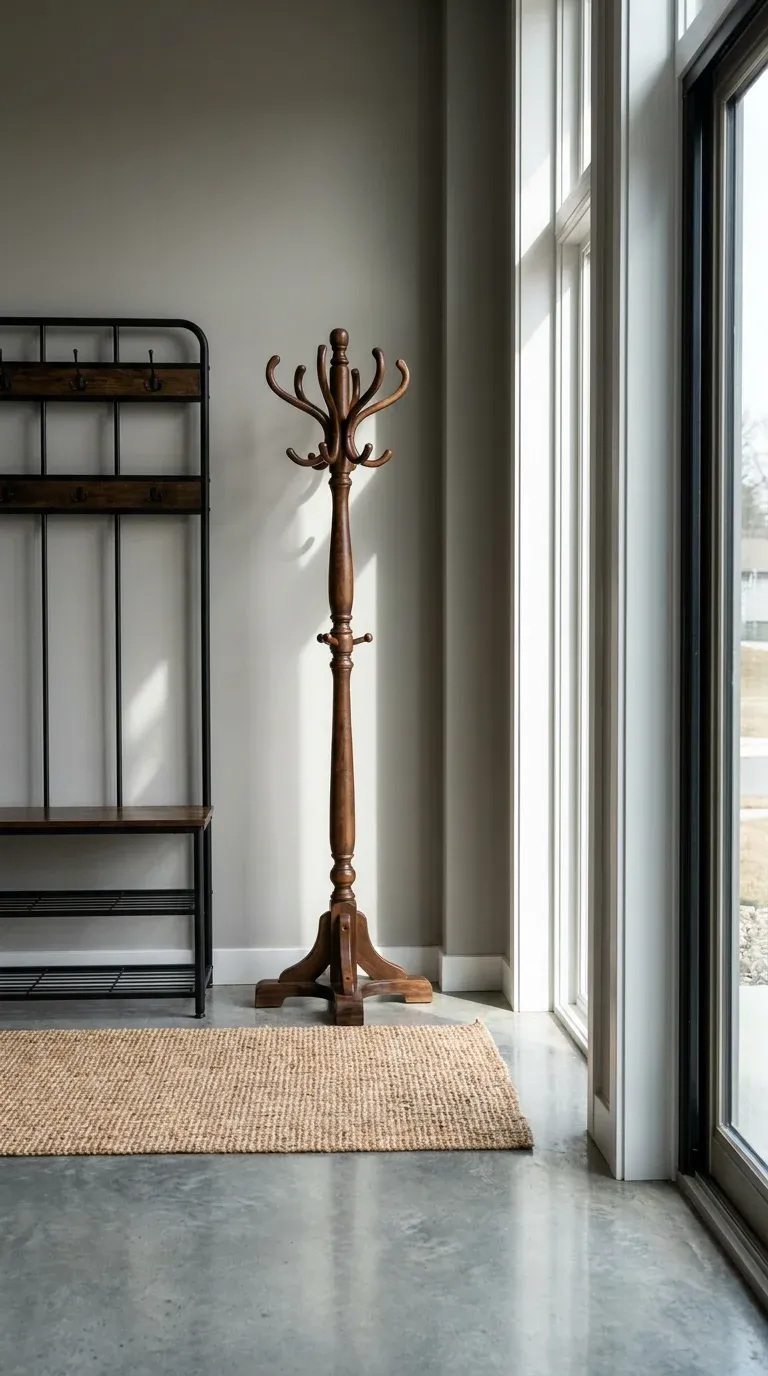
- Freestanding Coat Racks: These rely on a single central pole (the trunk) supported by a weighted base or a tripod leg configuration. The hanging hooks are clustered at the top in a crown pattern. This design requires careful weight balancing. If you hang a heavy wet coat on one side without a counterweight on the other, the unit can easily tip over.
- Wall-Mounted Coat Racks: These eliminate the floor footprint entirely. They consist of a horizontal rail with hooks that mounts directly to the wall. The stability of a wall-mounted rack depends entirely on the quality of the installation. For maximum security, it must be screwed directly into wooden wall studs or secured with heavy-duty toggle bolts.
Architectural, Spatial & Material Comparison
Choosing the right option requires analyzing your entryway’s dimensions, wall construction, and flooring.

Footprint and Spatial Clearances
In tight entryways, every inch counts.
A standard freestanding hall tree requires a floor footprint of about 36 to 48 inches in width and 15 to 20 inches in depth. It also needs clear vertical space, usually standing between 70 and 78 inches tall.
You must also consider clearance for using the unit. Because a hall tree features a bench, you need at least 30 to 36 inches of clear floor space in front of it so someone can comfortably sit down and take off their shoes without blocking the hallway.
A freestanding coat rack takes up much less space. It requires a floor footprint of only 12 to 18 inches in diameter.
However, you still have to account for “visual footprint” and “garment flare.” When hung with bulky winter coats, a coat rack can expand to 28 inches in diameter.
If you are dealing with a tight hallway, a wall-mounted coat rack is often the best choice. It has a floor footprint of zero.
For those trying to squeeze storage into highly awkward layouts, reading about maximizing style in small spaces with corner storage can open up clever design options you might not have considered.
Material Dynamics and Structural Integrity
The materials used to build your entryway storage will determine how long it lasts and how much weight it can hold.
- Engineered Wood (MDF/Particle Board): Often used in budget-friendly hall trees. While cost-effective, MDF is heavy and prone to sagging under sustained loads. It is also sensitive to moisture from wet raincoats or snowy boots. If water gets past the laminate seal, the wood fibers can swell and split.
- Solid Wood (Oak, Birch, Rubberwood): Solid wood offers superior screw holding power and structural stiffness. Solid wood joints (like mortise-and-tenon or doweled joints) handle daily wear and tear much better than the cam-lock systems found in flat-pack furniture.
- Powder-Coated Steel: Found in industrial-style hall trees and modern coat racks. Steel frames provide the highest strength-to-weight ratio. Powder coating protects the metal from rust caused by wet umbrellas and damp outerwear.
When choosing materials, it is also important to consider how the piece fits into your home’s aesthetic. Take a look at our guide on choosing the right color and finish for your furniture to ensure your selection complements your existing decor.
Material Strength vs. Moisture Resistance:
+-------------------+-------------------------+-------------------------+
| Material Class | Structural Rigidity | Moisture Resilience |
+-------------------+-------------------------+-------------------------+
| MDF / Particle | Medium-Low (Flexes) | Low (Swells/Delaminates)|
| Solid Hardwood | High (Excellent Hook) | Medium (Needs Sealant) |
| Powder-Coat Steel | Extreme (No Sagging) | High (Rust-Resistant) |
+-------------------+-------------------------+-------------------------+
Deep Dive Product Reviews: Real-World Field Analyses
Let’s take a closer look at three top-performing entryway storage solutions. These products represent different styles, price points, and installation requirements.
1. The Heavy-Duty Organizer: VASAGLE Industrial Hall Tree with Bench
For busy households with high storage needs, this industrial-style hall tree is a reliable workhorse.

- Design & Architecture: This unit features a matte black alloy steel frame paired with rustic engineered wood panels. It includes nine adjustable hooks arranged in two rows, a built-in bench, and two wire mesh shoe shelves at the base.
- Technical Specifications:
- Dimensions: 12.6” D x 27.6” W x 68.9” H
- Bench Weight Capacity: 220 lbs
- Hook Weight Capacity: 6.6 lbs per hook
- Frame Tubing: 20mm x 20mm square steel profile
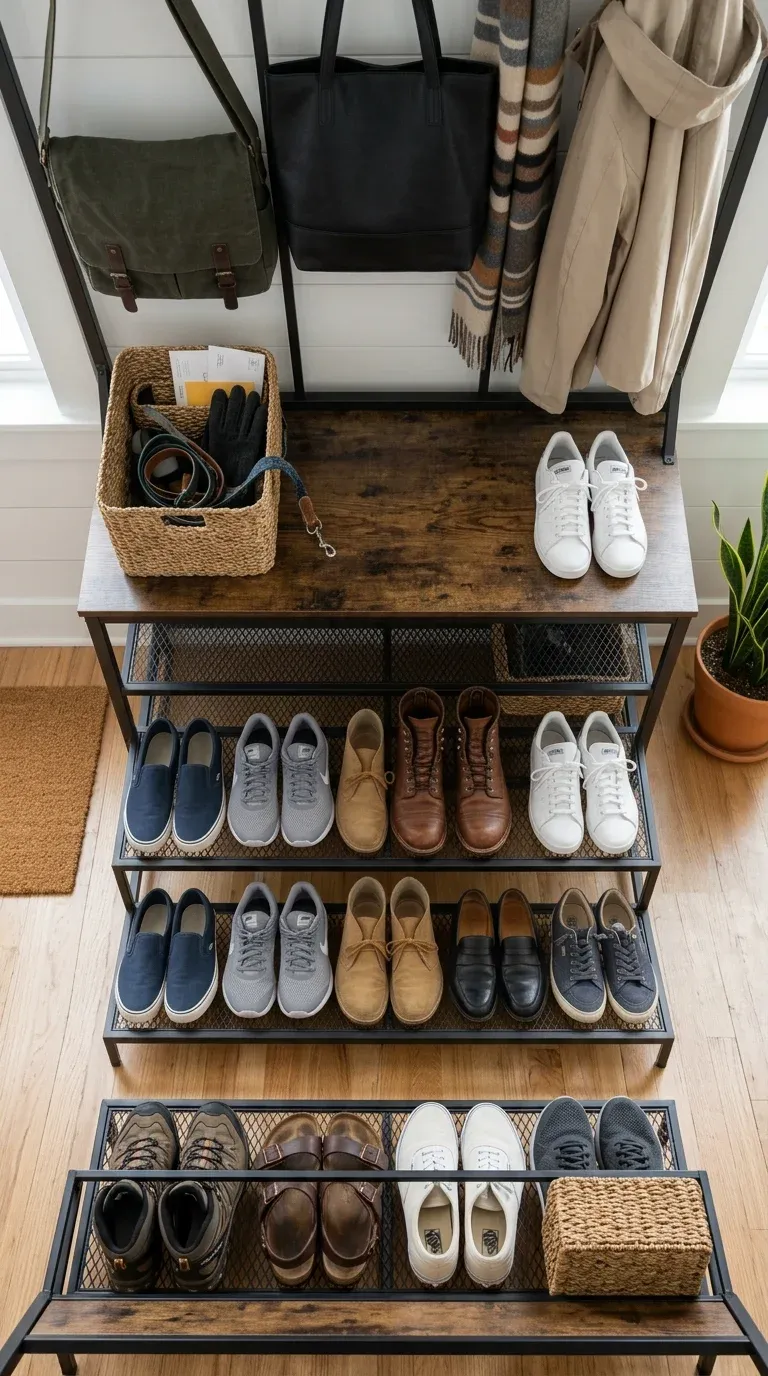
- Performance Evaluation: The steel cross-bracing on the back panel makes this unit remarkably stable for its price. The bench easily supports an adult without bowing or shifting. The wire mesh shelves are great for wet shoes because they allow air to circulate and let dirt fall through to the floor for easy cleaning.
- Key Trade-offs: The hooks are made of plastic rather than cast metal. While they are sturdy enough for standard coats, they may bend under the weight of heavy, gear-filled backpacks. Upgrading to aftermarket metal hooks is an easy fix if you need extra durability.
2. The Traditional Space-Saver: Frenchi Home Furnishings Wooden Coat Rack
If you have a small entryway and prefer a classic look, this traditional wooden coat rack is an excellent, compact choice.

- Design & Architecture: A classic turned-wood pole made from solid rubberwood. It features a tri-leg base and 12 hanging hooks split across three tiers.
- Technical Specifications:
- Height: 69.5 inches
- Base Footprint: 19.5” x 19.5” (diagonal spread of legs)
- Material: Solid Rubberwood
- Finish: Dark Cherry / Espresso lacquer
- Performance Evaluation: The solid wood construction gives the central pole excellent rigidity. The mid-level hooks are placed at a convenient height for children’s coats or small bags. The lacquer finish protects the wood from damp clothing, and the legs are spaced wide enough to prevent tipping under normal use.
- Key Trade-offs: The tripod base can be a tripping hazard in narrow hallways. It also requires balanced loading. If you hang a heavy wet wool coat on one side without balancing it on the other, the rack will lean and could tip over.
3. The Compact Hybrid: Kings Brand Metal Entryway Storage Organizer
This hybrid unit is an ideal choice if you want the features of a hall tree but have limited space.

- Design & Architecture: This hybrid unit combines a tall, multi-hook coat rack with a small, built-in bench and a bottom shoe shelf. The frame is constructed from round steel tubing.
- Technical Specifications:
- Dimensions: 13” D x 24.5” W x 71.5” H
- Bench Weight Capacity: 180 lbs
- Hooks: 10 welded metal ball-tip hooks
- Material: Alloy Steel
- Performance Evaluation: This unit is a great option for narrow entryways. It offers the seating and shoe storage of a hall tree but has a footprint that is only 24.5 inches wide. The welded steel hooks are highly durable and won’t pull loose over time.
- Key Trade-offs: Because the unit is narrow and lightweight, it must be anchored to the wall using the included safety straps to prevent it from tipping when you pull coats off the hooks.
Installation, Stability & Assembly Dynamics
The performance of your entryway storage depends on how well it is assembled and installed. A poorly anchored hall tree or an off-balance coat rack can easily become a safety hazard.
Managing the Center of Gravity and Tipping Hazards
Every tall, narrow piece of furniture is subject to tipping forces.
When you hang a heavy bag on a hook, you create a lever arm that pulls the top of the unit forward and down.
Tipping Force Diagram:
[Hook] <==== (Pulling force of heavy bag: F)
||
||
|| (Height of Hook: H)
||
||
||
+--||--+
| Base | <=== (Pivot Point at front edge)
+------+
To prevent tipping: (F x H) must be LESS than (Weight of Base x Depth of Base)
To prevent tipping, the tipping force must be lower than the stabilizing force of the base.
Because hall trees have a deep bench base, they are naturally more stable than freestanding coat racks. However, they should still be anchored to the wall—especially if you have children who might try to climb them.
Field Note on Wall Anchors: Do not rely on plastic drywall anchors for tall furniture. They can easily pull out of the wall under a heavy load. Instead, use a stud finder to locate a wall stud and secure the unit with a 2.5-inch wood screw driven directly into the wood. If a stud isn’t available, use heavy-duty steel toggle bolts, which spread the load across the back of the drywall.
Drywall Anchor Load Capacities:
+-------------------+-------------------------+-------------------------+
| Anchor Type | Tension Limit (Pullout) | Shear Limit (Downward) |
+-------------------+-------------------------+-------------------------+
| Plastic Conical | 10 - 15 lbs | 20 - 30 lbs |
| Self-Drilling Zip | 25 - 35 lbs | 40 - 50 lbs |
| Steel Toggle Bolt | 90 - 110 lbs | 120 - 150 lbs |
+-------------------+-------------------------+-------------------------+
Dealing with Uneven Floors
Most floors are not perfectly level, especially in older homes.
Even a slight slant in your flooring can cause a tall hall tree or coat rack to lean, putting extra stress on the joints and making it unstable.
- Adjustable Leveling Feet: Look for hall trees that feature threaded leveling glide feet under the frame. These allow you to adjust the height of each corner individually to compensate for uneven floors.
- Shimming Coat Racks: Freestanding coat racks rarely come with adjustable feet. If you are placing a coat rack on an uneven floor or a transition strip between wood and carpet, you may need to place small felt pads or plastic shims under the base to level it out.

The Ultimate Buyer’s Decision Framework
To decide which option is best for your home, evaluate your space and needs across these three key areas.
1. Spatial Clearances and Layout Constraints
First, measure your entryway and check your clearances.
- The Narrow Hallway (Under 40 inches wide): A standard hall tree will make a narrow hallway feel cramped and block foot traffic. Instead, opt for a wall-mounted coat rack paired with a slim, low-profile shoe bench.
- The Open Foyer: An open entryway is the perfect spot for a full-sized hall tree. It acts as an architectural anchor, defining the space and creating a clear “drop zone.” For design inspiration, check out our curated list of stunning farmhouse hall trees.
- The Corner Space: If you have an unused corner next to your door, a corner-style hall tree is a great way to maximize your storage without blocking the main walkway.
If you are still planning your layout, it is helpful to explore the best hall trees for every entryway type to find a style and size that matches your home’s footprint.
2. Household Size and Daily Storage Needs
Next, consider who will be using the space daily.
- Single Residents or Couples: A coat rack is usually plenty of storage for one or two people. It easily holds a few daily jackets, bags, and umbrellas without cluttering the space.
- Families with Kids: Families need the extra storage of a hall tree. The built-in bench provides a place for kids to sit while putting on shoes, and the lower cubbies keep shoes, backpacks, and sports gear organized and off the floor.
3. Structural and Budget Considerations
Finally, consider your budget and DIY skills.
- Rental Homes: If you are renting, you want to avoid drilling large holes in the walls. A freestanding coat rack or a lightweight, freestanding hall tree with safety straps is ideal because they are easy to move and leave minimal wall damage.
- Homeowners looking for a permanent solution: If you own your home, a built-in or heavy-duty, wall-anchored hall tree is a great investment. It adds functional storage and can boost your home’s resale value by making the entryway look neat and organized.
Decision Matrix:
+------------------------+--------------------+--------------------+
| Criteria | Hall Tree | Coat Rack |
+------------------------+--------------------+--------------------+
| Floor Space Required | Moderate to High | Very Low |
| Budget Range | $120 - $600+ | $25 - $120 |
| Primary Function | Seating + Storage | Hanging Only |
| Installation Effort | High (Heavy/Anchor)| Low (Simple Setup) |
| Portability | Low (Heavy) | High (Lightweight) |
+------------------------+--------------------+--------------------+
For a deeper dive into materials, styles, and dimensions, check out our comprehensive hall tree buying guide.
Maintenance, Wear-and-Tear & Longevity
Because entryway furniture sits right by the front door, it is constantly exposed to dirt, moisture, and daily wear. Keeping your storage system in good shape requires regular maintenance.

Protecting Your Wood and Metal Finishes
Water is the main enemy of wood entryway furniture.
Wet coats, snowy hats, and muddy boots can quickly ruin wood finishes.
- Caring for Wood: If you choose a wooden hall tree or coat rack, apply a high-quality furniture wax or polyurethane topcoat once a year. This creates a protective barrier that keeps moisture from soaking into the wood grain and causing it to swell or warp. Always wipe up standing water on benches or shelves immediately.
- Caring for Metal: Wipe down metal frames with a damp microfiber cloth to remove salt and dirt carried in from outside. If you notice any scratches in the powder coating, touch them up with rust-preventative paint to stop rust before it starts.
Checking and Tightening Hardware
Daily use puts a lot of stress on the joints and hooks of your entryway storage.
Over time, hanging heavy bags and sitting on the bench can cause screws and fasteners to work themselves loose.
- Quarterly Hardware Check: Every few months, inspect your hall tree or coat rack. Use an Allen wrench or screwdriver to tighten any loose bolts, hooks, or leveling feet.
- Inspecting Wall Anchors: If your unit is anchored to the wall, check the bracket occasionally to make sure the screws aren’t pulling loose from the drywall or stud.

Key Maintenance Checklists
To keep your entryway storage looking and performing its best, follow these simple maintenance routines.
Weekly Entryway Reset
- Wipe down the bench surface with a damp cloth to remove dust and dirt.
- Clear away any shoes that aren’t worn daily to keep the lower shelves organized.
- Shake out any fabric storage baskets to remove loose dirt and debris.
- Check that coats are hung evenly to keep the unit balanced.
Bi-Annual Deep Clean and Inspection
- Empty all hooks, shelves, and cubbies.
- Vacuum the floor under and behind the unit to remove hidden dust bunnies.
- Tighten all hook screws, frame bolts, and wall anchor brackets.
- Inspect wood surfaces for scratches or water damage, and touch up the finish if needed.
- Clean and lubricate any drawer glides or cabinet hinges.
The Verdict: Which Is Better?
The winner of this matchup depends on your space and storage needs:
- Choose a Hall Tree if: You have a busy household, a spacious entryway, and need an all-in-one storage solution for coats, shoes, and gear. The added convenience of a built-in bench makes it a great addition to any family home.
- Choose a Coat Rack if: You live in a small space, have a tight budget, or prefer a minimalist look. A wall-mounted or freestanding coat rack provides plenty of storage for your daily outerwear without taking up precious floor space.
Frequently Asked Questions
Do hall trees need to be anchored to the wall?
Yes. Any hall tree over 60 inches tall should be anchored to the wall using safety straps or L-brackets. The weight of heavy coats hung on the upper hooks can shift the unit’s center of gravity forward, creating a tipping hazard—especially if children climb on the bench.
Can a freestanding coat rack hold heavy winter coats?
Yes, but you must balance the load. A high-quality solid wood or steel coat rack can easily support several heavy coats, but you must distribute the weight evenly around the hooks to prevent the rack from tipping.
How much weight can a hall tree bench support?
Most standard hall tree benches are designed to support between 180 and 250 pounds. Always check the manufacturer’s weight limit before buying, especially if you plan to use the bench as regular seating.
Are wall-mounted coat racks better than freestanding ones?
Wall-mounted coat racks are generally more stable and take up zero floor space, making them the best choice for narrow hallways. However, they require secure installation into wall studs to prevent them from pulling out of the drywall under heavy loads. Freestanding coat racks are more portable and don’t require drilling into your walls.
How do I prevent water damage on a wooden hall tree?
To protect wood furniture from wet shoes and coats, use plastic boot trays on the shoe shelves and wipe up any standing water on the bench immediately. Applying a protective wax or water-resistant polyurethane sealer once a year will also help shield the wood from moisture damage.
Can I mix a coat rack and a bench instead of buying a hall tree?
Yes. Mixing a separate wall-mounted coat rack and a low shoe bench is a great alternative to a classic hall tree. This modular setup gives you the same functionality but is easier to fit into small or awkward entryway layouts.
Top Picks: Best Entryway Essentials
Editor's shortlist with verified ratings. Prices and availability below — clicking an Amazon link earns us a small commission at no extra cost to you.
| # | Product | Rating | Reviews | Tag | Check Price |
|---|---|---|---|---|---|
| 1 | Vasagle Industrial Entryway Bench | 8,420 | Top Pick | View on Amazon | |
| 2 | Crosley Furniture Seaside Hall Tree | 5,410 | — | View on Amazon | |
| 3 | Seville Classics 12-Pair Shoe Rack | 6,420 | Best Storage | View on Amazon | |
| 4 | Franklin Brass Wall Hooks (5-Pack) | 9,820 | — | View on Amazon | |
| 5 | Simplihome Artisan Solid Wood Bench | 3,127 | Editor's Pick | View on Amazon |
Affiliate disclosure: As an Amazon Associate we earn from qualifying purchases.
Tag: entreyway-20 — change in src/data/topPicks.ts.