
No-Gap and Heavy-Duty: The New Standard for Compact Folding Benches
Why compromise space for stability? We analyze the engineering shift behind the new wave of no-gap, heavy-duty folding benches that rival commercial gym gear.
Feb 25, 2026 - Written by: Linda Wise

For years, the phrase “folding bench” was synonymous with “wobbly death trap.” If you were building a home gym in a tight space—be it a garage, a spare bedroom, or a repurposed entryway—you generally had two distinct choices. You could buy a commercial-grade beast that took up half the room and never moved, or you could buy a flimsy, rattling folding bench that fit in the closet but felt like it might collapse under a heavy press.
That binary choice is dead.
We are currently witnessing a massive shift in fitness engineering. The market has finally responded to the reality that serious lifters often live in not-so-serious square footage. The new standard is zero-compromise: No-Gap pad systems and Heavy-Duty structural integrity, all wrapped in a chassis that folds away in seconds.
I’ve spent the last decade testing home gym equipment, ranging from budget Amazon finds to fabricated steel behemoths. The evolution I’m seeing right now isn’t just a minor upgrade; it’s a total reimagining of what compact equipment can handle.
The “No-Gap” Revolution: Why It Matters
If you have ever used an adjustable bench (FID: Flat, Incline, Decline), you know the annoyance of “The Gap.” It’s that two-to-three-inch crevice between the seat pad and the back pad.
On an incline press, you barely notice it. But the moment you lay the bench flat for a standard bench press, gravity plays a cruel joke. Your hips or lower back inevitably slide right into that void. It breaks your kinetic chain. You lose arch tension. It’s uncomfortable, and frankly, it’s a distraction you don’t need when you have 225 pounds hovering over your trachea.
The Engineering Fix
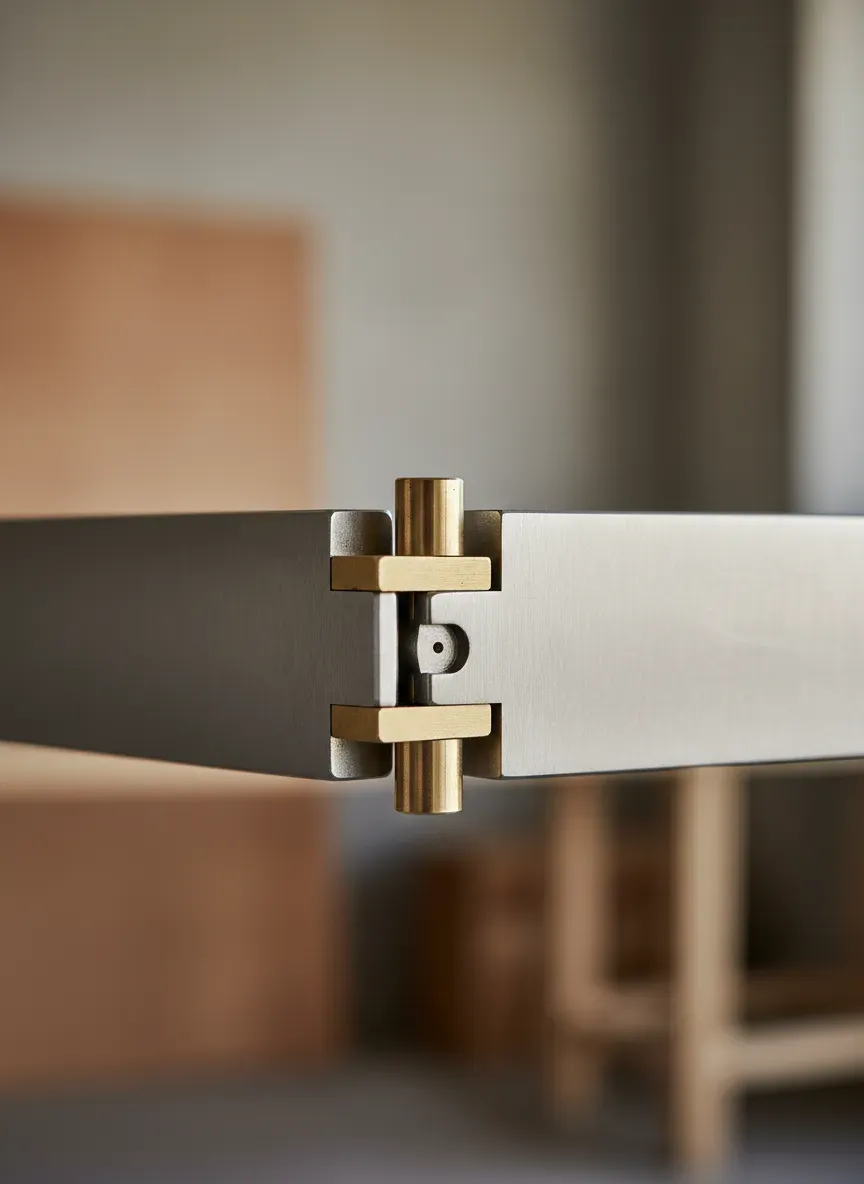
Manufacturers used to ignore this, claiming it was necessary for the hinge to function. That’s no longer an acceptable excuse. The new standard utilizes a sliding seat mechanism. When you adjust the angle, the seat pad slides on a rail system to meet the back pad, eliminating the space entirely.
Pro Tip: When shopping for a zero-gap bench, look for a “pop-pin” sliding mechanism rather than a friction knob. Pop-pins are faster to adjust and less likely to slip during heavy lateral movements.
This technology used to be reserved for $1,000+ commercial pieces. Now, we are seeing it integrated into folding benches that can be stored vertically. This means you get the surface stability of a fixed flat bench with the versatility of an adjustable one.
Defining “Heavy-Duty” in a Foldable World
“Heavy-duty” is a marketing buzzword that gets thrown around loosely. You’ll see a $60 bench claiming to be “heavy-duty.” Do not believe it. In the context of the new standard, we are looking for specific metallurgical and structural benchmarks.
The 11-Gauge Rule
If the steel isn’t 11-gauge (or thicker, meaning a lower number), walk away. Standard commercial gym equipment is built with 11-gauge steel (approx. 3mm thick). Older folding benches often used 14-gauge or even 16-gauge steel to save weight and cost. That creates flex.
When you are pressing heavy, you want the bench to feel like it is bolted to the concrete. The new wave of compact benches utilizes 11-gauge steel frames, yet they remain portable thanks to better balance points and high-quality wheels.
Weight Capacity vs. ASTM Ratings
There is a massive difference between “Static Weight Capacity” and “ASTM Tested.” A cheap bench might claim a 1,000lb capacity, but that’s a static load—meaning they gently placed a 1,000lb block on it and it didn’t crush.
Real lifting is dynamic. You drop into the bench; you shift your weight; you struggle. The new standard benches are passing ASTM structural integrity tests for loads exceeding 1,000lbs. This provides a safety factor that lets you lift with absolute confidence.
Storage: The Art of Disappearing
The magic of these benches lies in their ability to vanish. However, where you put them matters just as much as how they fold.
If you are tucking this into a dual-purpose room, like a mudroom or a garage entryway, you need to be ensuring adequate depth for storage so the bench doesn’t protrude into the walking path. The best new benches feature a “stand-up” mode where the footprint shrinks to less than 1.5 square feet.
Wall-Mounted vs. Free-Standing Folding
There are two schools of thought here:
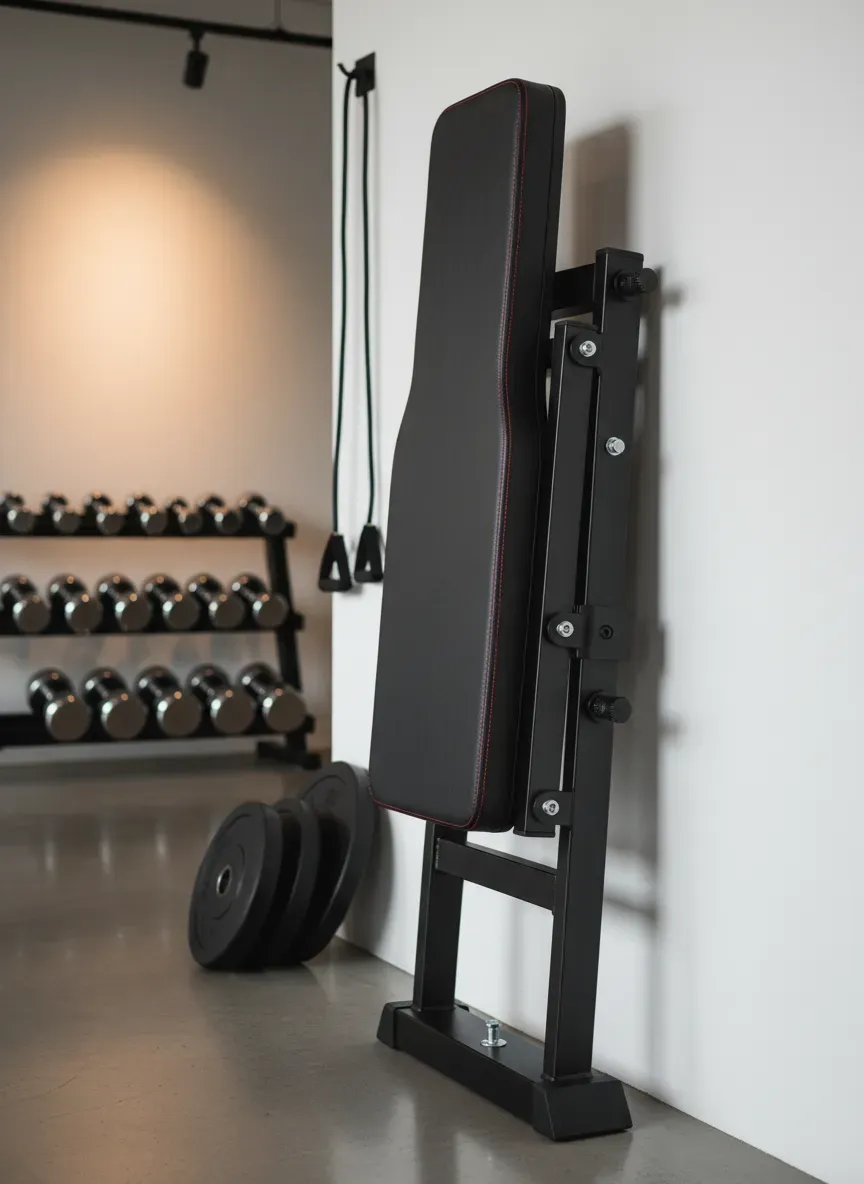
- The Vertical Stand: The bench folds flat and stands on its own end, usually supported by a wide footplate. This is ideal for renters or those who rearrange their gym frequently.
- The Wall-Mount: Companies like PRx Performance have popularized benches that bolt to the wall and fold down. These are incredibly stable but require permanent installation.
When setting up your power rack, knowing the ideal spacing between equipment is critical so you can actually fold the bench up without hitting the uprights or your weight tree. I’ve seen too many people buy a great folding bench only to realize they have to drag it ten feet away just to fold it up.
Top Contenders: The Gear That Actually Delivers
I don’t recommend products lightly. I look for the intersection of value, durability, and that “tank-like” feel. Here are three benches that exemplify the new No-Gap, Heavy-Duty standard.
1. The Gold Standard for Home Gyms
If you want a bench that feels exactly like the one at your local Gold’s Gym but disappears when you’re done, the REP Fitness AB-3000 2.0 FID Adjustable Bench is, in my opinion, the current king of the hill. It features a true updated zero-gap design, rock-solid 11-gauge steel construction, and it’s incredibly stable. The updated version has improved the pad density significantly, meaning you don’t sink into it during max effort lifts.
2. The Budget-Friendly Heavy Hitter
You don’t always have to spend a fortune to get safety. The Fitness Reality 2000 Super Max XL brings high-capacity specs to a lower price point. While the finish isn’t as premium as the REP, it boasts an impressive weight capacity and a no-gap feature that punches way above its weight class. It’s a fantastic entry point for those upgrading from a starter bench.
3. The Versatile Space Saver
For those who need extreme compactness without sacrificing the incline options, check out the FLYBIRD Adjustable Weight Bench. While lighter than the others, newer models have reinforced the hinge points to reduce wobble significantly. It’s perfect for HIIT-style workouts or secondary stations where you need to move the bench quickly between exercises.
Ergonomics and Pad density
We need to talk about what’s under the vinyl. Old folding benches used soft, squishy foam that bottomed out immediately. This is terrible for your shoulders. When your back sinks into the pad, your scapulae (shoulder blades) get pinned, preventing them from moving naturally.
The new standard uses high-density, bonded foam or polyurethane composites. These pads are stiff. To a novice, they might feel “hard,” but to an expert, they feel “supportive.”
The “Grippy” Vinyl
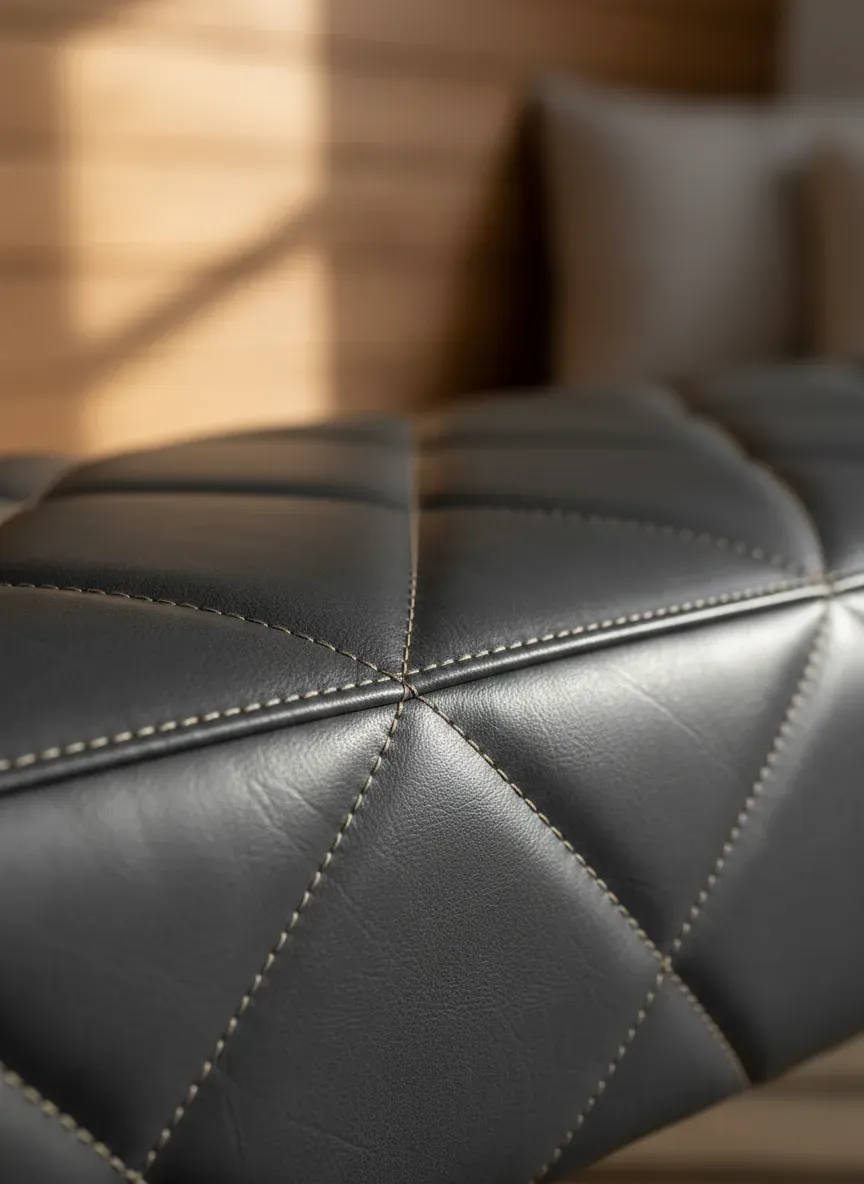
Another subtle upgrade in this class of benches is the texture. Slick vinyl is a safety hazard. If you are arching for a bench press and you slide backward, you lose your drive. Manufacturers are now using grippy, textured vinyl that holds you in place like Velcro. This is a direct trickle-down from competitive powerlifting specs.
Deciding where exactly you should place the bench relative to your mirror and rack often depends on the lighting and how the vinyl interacts with your shirt. It sounds trivial, but high-friction vinyl combined with a stiff pad allows for 100% force transfer from your legs to the bar.
Stability: The Tripod vs. Four-Post Debate
When you are looking at heavy-duty folding benches, you will notice two main base designs:
- Three-Point (Tripod): One wide foot at the back, one single post at the front.
- Four-Point: Standard wide feet at both ends.
I personally prefer the Tripod design for home gyms. Why? Because you have freedom for your feet. When you are setting up for a press, a wide front foot gets in the way of your foot placement. A single front post allows you to tuck your feet back and get a solid arch.
However, the engineering challenge is making a folding tripod stable. The new generation has solved this by widening the rear foot significantly—often to 20 inches or more. This prevents the “tipping” feeling when you are doing single-arm dumbbell rows on the side of the bench.
Safety Mechanisms and Locks
A folding bench has moving parts. Moving parts are pinch points.
The old style of locking pins (the ones you had to unscrew and screw back in) are gone. They were tedious and often stripped out. The new standard uses spring-loaded pull pins or “ladder” style adjustments for the backrest.
The Ladder System: This is a series of steel teeth that a support arm drops into. It is the fastest and safest way to adjust a bench. Gravity does the work. There are no pins to lose, and no threads to strip.
Key Takeaway: If you have little ones running around, consider designing a kid-friendly zone where the bench is locked in the upright position or wall-mounted. A heavy bench falling from a vertical storage position is a serious hazard. Always ensure the stow-lock is engaged.
Installation and Maintenance
You bought the bench. Now, how do you keep it performing?
Unlike a fixed bench, a folding bench has hinges that need love. Once a month, check the main pivot bolt. It should be tight enough to prevent wobble, but loose enough to allow movement without grinding.
Lubrication: Do not use WD-40. It attracts dust and gunk. Use a silicone-based lubricant or white lithium grease on the pivot points and the wheel axles.
Vinyl Care: Sweat destroys vinyl. The salt dries it out, leading to cracks. Wipe your bench down after every session with a mild soap and water solution, or a dedicated vinyl cleaner. Avoid harsh alcohol-based cleaners as they will strip the “grippy” texture we love so much.
The Bottom Line
The era of choosing between “compact” and “commercial quality” is over. You no longer have to apologize for your equipment just because it lives in a garage or a spare room.
The integration of no-gap rail systems and 11-gauge steel frames into folding designs has democratized professional-grade training. You can now press 300+ pounds on a bench that folds up behind a door.
When you are shopping, keep your criteria strict:
- No-Gap mechanism (preferably sliding seat).
- 11-Gauge Steel Frame.
- 1,000lb+ Weight Rating.
- High-Density Pad.
Your home gym is an investment in your longevity. Don’t build it on a shaky foundation. Get a bench that supports the work you are putting in.