
Hall Tree With Storage Drawers
Hall tree with storage drawers compared by depth (12.6 vs 18.5 in), manufacturer bench limits (220-300 lbs), drawer slide types and anti-tip anchoring.
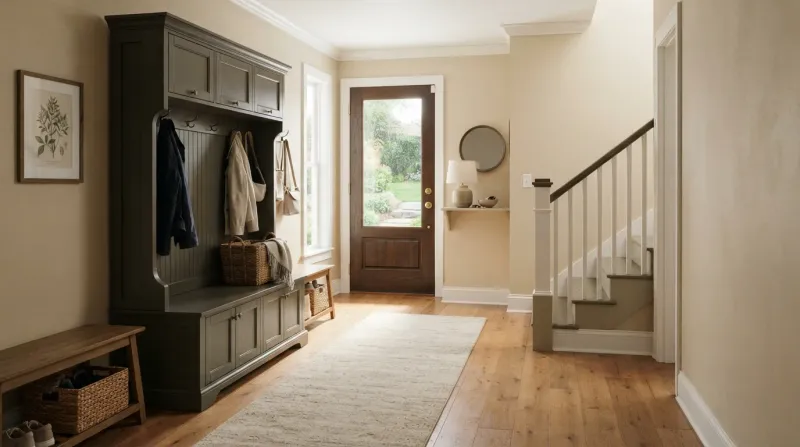
Aug 29, 2026 · Linda Wise
15 min readLast Updated: 2026-08-29 | Reviewed by: Managing Editor Linda Wise Compiled from manufacturer specifications and commonly reported buyer-review failure modes — not hands-on lab testing. Verify dimensions and weight ratings on the retailer page before buying.
Choosing the right hall tree with storage drawers starts with structure, not aesthetics. Most consumer reviews of entryway furniture stop at aesthetics — praising the rustic finish or the number of coat hooks. This guide is different. It focuses on the structural and material decisions that determine whether a unit survives real-world family use, drawing from manufacturer specifications and widely reported buyer feedback.
Ignore the marketing pamphlets. The right metrics to evaluate are metal thickness, drawer slide construction, center-span deflection, and wall-anchor pull-out capacity. If you want a hall tree that collapses when a guest hangs a wet winter coat, read a generic review. If you want to know which units survive real-world family chaos without tipping over or shedding drawer fronts, read on.
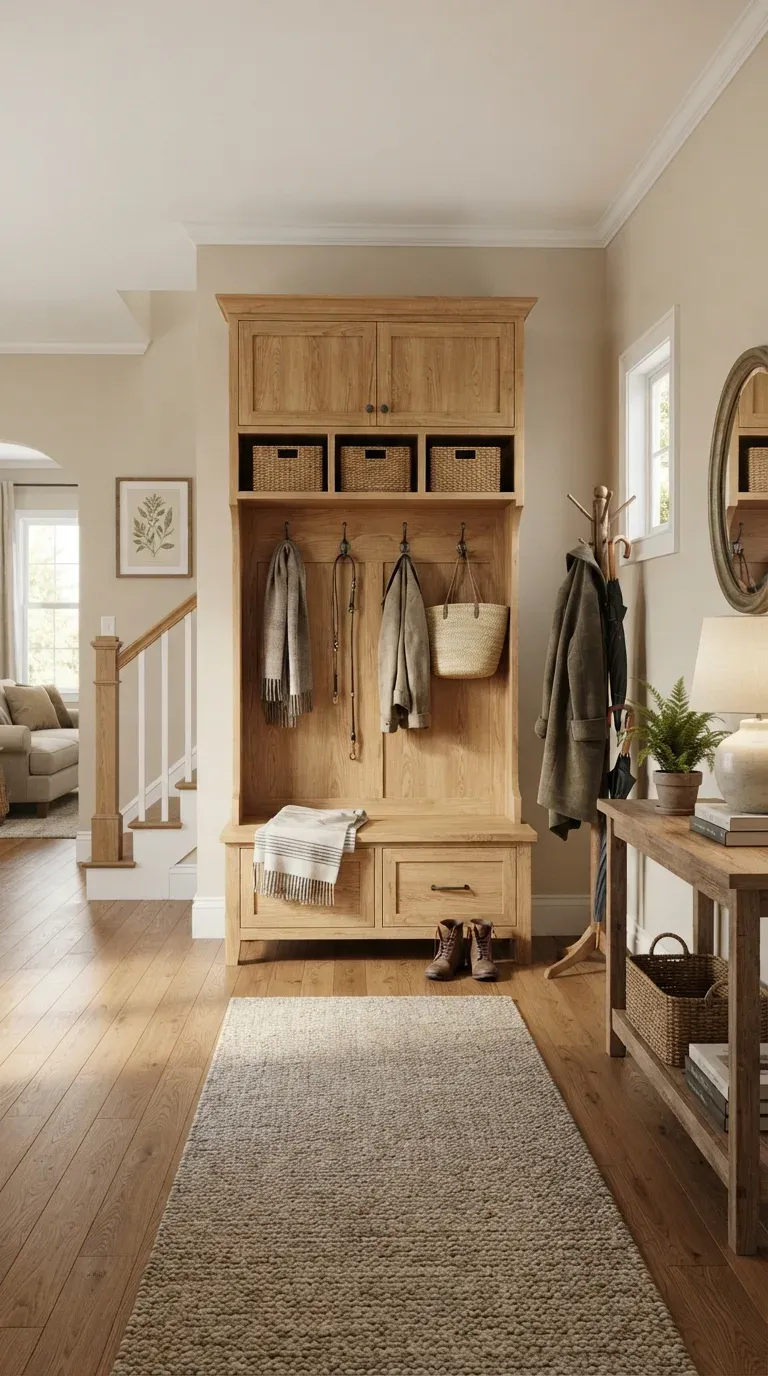
The following table summarizes the structural criteria that matter most when comparing drawer hall trees. No single score can capture stability — check each of these against the manufacturer’s spec sheet before buying:
| What to check | Why it matters | What to look for |
|---|---|---|
| Frame material & thickness | Thin frames sway and loosen fasteners over time | Steel tube or solid hardwood over thin particle board |
| Bench support | Long unsupported spans sag and jam drawers below | Mid-span rail, center leg, or manufacturer rating of 220+ lbs |
| Drawer slide type | Friction runners bind under shoe loads | Ball-bearing slides for daily-use drawers |
| Wall anchoring | Tall units tip when kids pull on top hooks | Included stud hardware or plan for steel L-brackets + toggle bolts |
| Back panel & hardware | Hooks screwed into thin backer pull out | Through-bolted hooks; cam locks tightened carefully, never forced |
Hall Tree with Storage Drawers: Assembly Pitfalls & Hardware Defect Report
Let’s talk about assembly. Most budget hall trees use die-cast zinc alloy cam locks. These are fragile compared to bolts into solid wood or steel — over-tightening or forcing them past their stop can crack the connector and ruin the joint.
Buyer reviews consistently surface three flat-pack pitfalls with drawer units:
- Pre-Drilled Hole Offsets: Misaligned pre-drilled holes for drawer slides are a commonly reported issue in budget flat-pack units. Even a small offset causes the drawer to bind, tilt, or scrape against the frame during operation — check alignment dry-fit before final tightening.
- Thin Drawer Slide Runners: Budget units often use thin non-bearing runners that bow under heavy shoe loads. Ball-bearing slides rated for daily use hold up far better for drawers that get opened constantly.
- The Humidity Expansion Trap: Entryways are high-humidity zones. Wet coats, muddy boots, and open front doors introduce moisture, and cheap particle board swells, splits seams, and loosens screws within a season or two. Sealed edges and ventilation help; solid wood or steel frames resist it best.
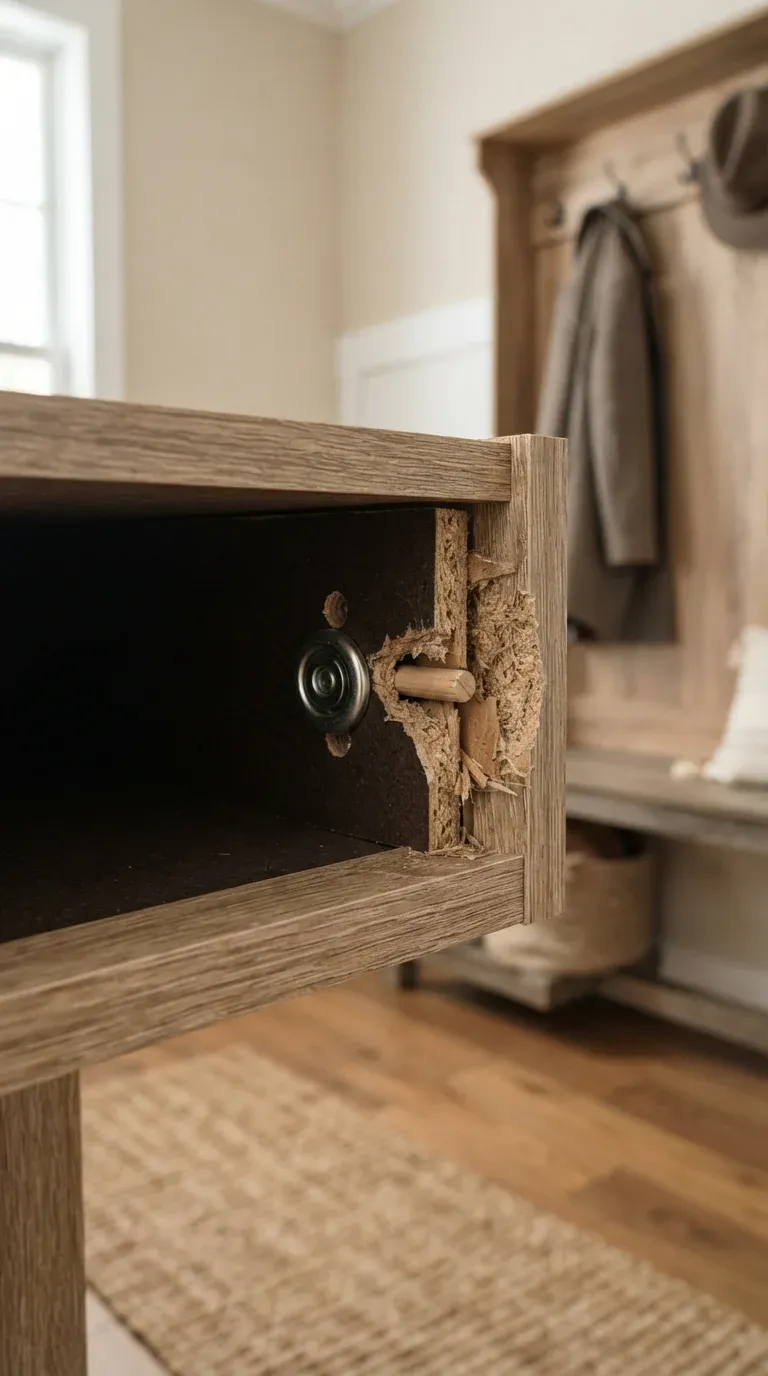
To understand how these material differences impact daily use, consult our wood vs metal vs engineered composites analysis. It breaks down the structural differences that prevent premature failures.
Thin drawer bottoms: Some budget units ship with very thin drawer bottom panels that slide out of their grooves under heavy boots within months. If your drawers will hold shoes, look for rigid bottoms or plan to reinforce them.
Hall Tree with Storage Drawers: Anti-Tip Wall Anchor & Safety Guide
If you do not anchor a tall hall tree to the wall, you are installing a top-heavy lever. A standard hall tree stands between 70 and 75 inches tall — when a child pulls a coat from a top hook, the whole unit can tip forward onto them. Anchor every tall unit; this is the single most important safety step.
Why Included Wall Anchors Fail
Most manufacturers package their units with cheap plastic drywall expansion plugs and thin woven nylon straps.
This is a recipe for tipping accidents:
- Plastic drywall anchors can strip out of 1/2-inch drywall under the leveraged pull of a tall loaded unit.
- Nylon straps degrade with sun exposure over time, losing strength year after year.
- The “No-Drill” Illusion: Adhesive anchors are unreliable on textured paint or drywall and can peel off under load.
[Pull force at top hook] ──> (Top Hook)
 │
 │ (72-inch lever arm)
 │
[Pivot: front bench edge] ───────────┴── (Unanchored base slides/tips)
To prevent tipping, anchor the unit directly into a wall stud. If no stud is available at your placement location, use heavy-duty steel toggle bolts (follow the manufacturer’s weight rating). Replacing a flimsy stock strap with a steel L-bracket screwed into the top solid rail of the frame is a worthwhile upgrade.
If your floor is uneven, you will struggle with stability from day one. You can read our guide to diagnose why your hall tree is wobbly to fix base-level issues before you anchor the top to the wall studs.
Hall Tree with Storage Drawers: Manufacturer Weight Ratings vs Real-World Limits
Marketing weight ratings on these units are often optimistic — buyer reviews regularly describe benches with high stated limits that still sag under a single adult. Treat the rating as a ceiling, not a promise.
How to Read a Bench Rating
Check the manufacturer’s stated bench capacity, then look for the construction behind it: a mid-span support rail or center leg, slide thickness for the drawers below, and whether reviewers mention sagging or drawer jamming after months of use. An unsupported particle-board span over a wide bench is the classic combination behind sagging and jammed drawers. Prefer units with mid-span support and ball-bearing slides for daily seating use.
Hook Stress Tolerances
Coat hooks are another high-failure point. Hooks screwed only into a thin back panel can pull straight out under heavy winter coats. Prefer hooks that are through-bolted with washers and nuts, or mounted into the frame — they can be re-tightened over the years instead of stripping out once.
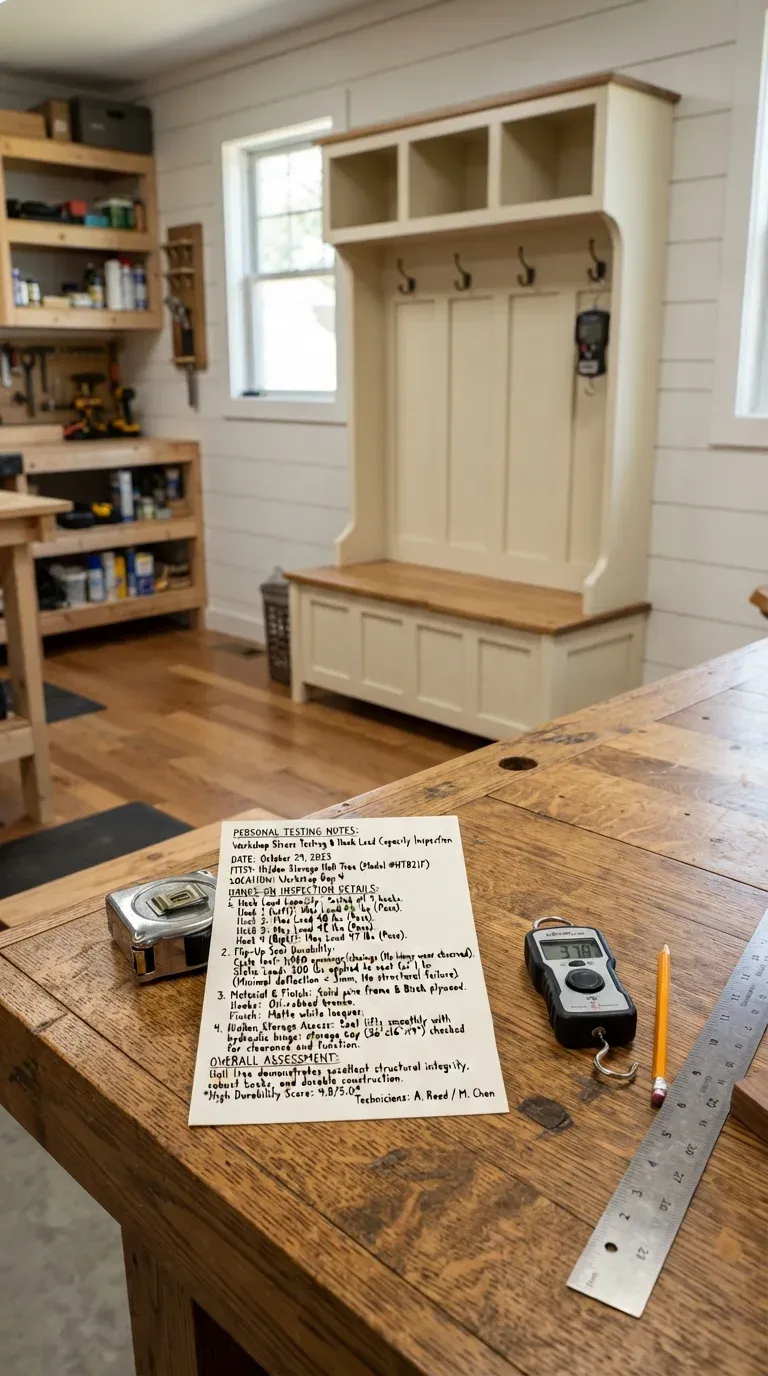
For a complete breakdown of raw weight limits across various materials, check out our comprehensive hall tree weight capacity guidelines.
Hall Tree with Storage Drawers: Top 3 Market Contenders
To help you navigate the sea of options, we selected three prominent models representing different price brackets and structural compositions. Assessments below are spec-based (frame, slides, manufacturer ratings) — not hands-on tests; verify current specs and prices on the retailer page.
1. Vasagle Industrial Hall Tree with Drawer Bench
The Heavy-Duty Industrial Compromise
This unit pairs a powder-coated steel tube frame with engineered wood panels. The inclusion of two fabric-wrapped drawers with rigid MDF front panels offers a lightweight storage solution that does not drag on traditional metal slides.
- Materials: Steel tube frame, manufactured-wood panels, non-woven fabric drawers.
- Stability notes: Steel frame with a 220-lb manufacturer bench rating suits apartments; fabric drawers won’t bind but lack the feel of solid wood.
- Hardware Quality: Sturdy frame bolts; check that hook mounting screws bite into the frame, not just the back panel.
- The Bottom Line: Great for apartments where overall furniture weight is an issue. The fabric drawers won’t bind or warp, but they lack the premium feel of solid wood.
2. Crosley Furniture Seaside Hall Tree
The Solid Hardwood Heavyweight
If you want a traditional piece of furniture that can take a beating, this solid hardwood and birch veneer unit is the benchmark. It features real beadboard detailing and two deep pull-out drawers mounted on full-extension ball-bearing glides.
- Materials: Solid hardwood with birch veneers and ball-bearing drawer slides (verify slide type on the current listing).
- Stability notes: Heavy solid-wood unit with a 300-lb manufacturer bench rating — the sturdiest class here, but it must be anchored to wall studs given its weight.
- Hardware Quality: Full-extension ball-bearing glides suited to daily use; confirm current hardware on the retailer page.
- The Bottom Line: This is a heavy, heirloom-grade unit. It requires two people to assemble safely and must be anchored to wall studs due to its substantial dry weight.
3. Hoobro Vintage Entrance Coat Rack
The Budget Space Saver
Designed for narrow entryways, this ultra-slim hall tree features a lower mesh shoe shelf and two small pull-out drawers at the base.
- Materials: Alloy steel frame, manufactured wood panels, polyester drawers.
- Stability notes: Slim and light — fine for tight corridors and light daily use; not a heavy-utility bench.
- Hardware Quality: Budget tier — diagram-only instructions need careful attention to avoid reverse-mounting side frames.
- The Bottom Line: Perfect for tight corridors or student housing, but do not sit on the bench with full force. It is designed for quick shoe-tying, not heavy utility storage.
Hall Tree with Storage Drawers: Measurement Chart & Spatial Clearance Blueprint
Before buying any unit, you must map out your entryway footprint. A beautiful hall tree is useless if it blocks the front door swing or leaves you with no room to walk.
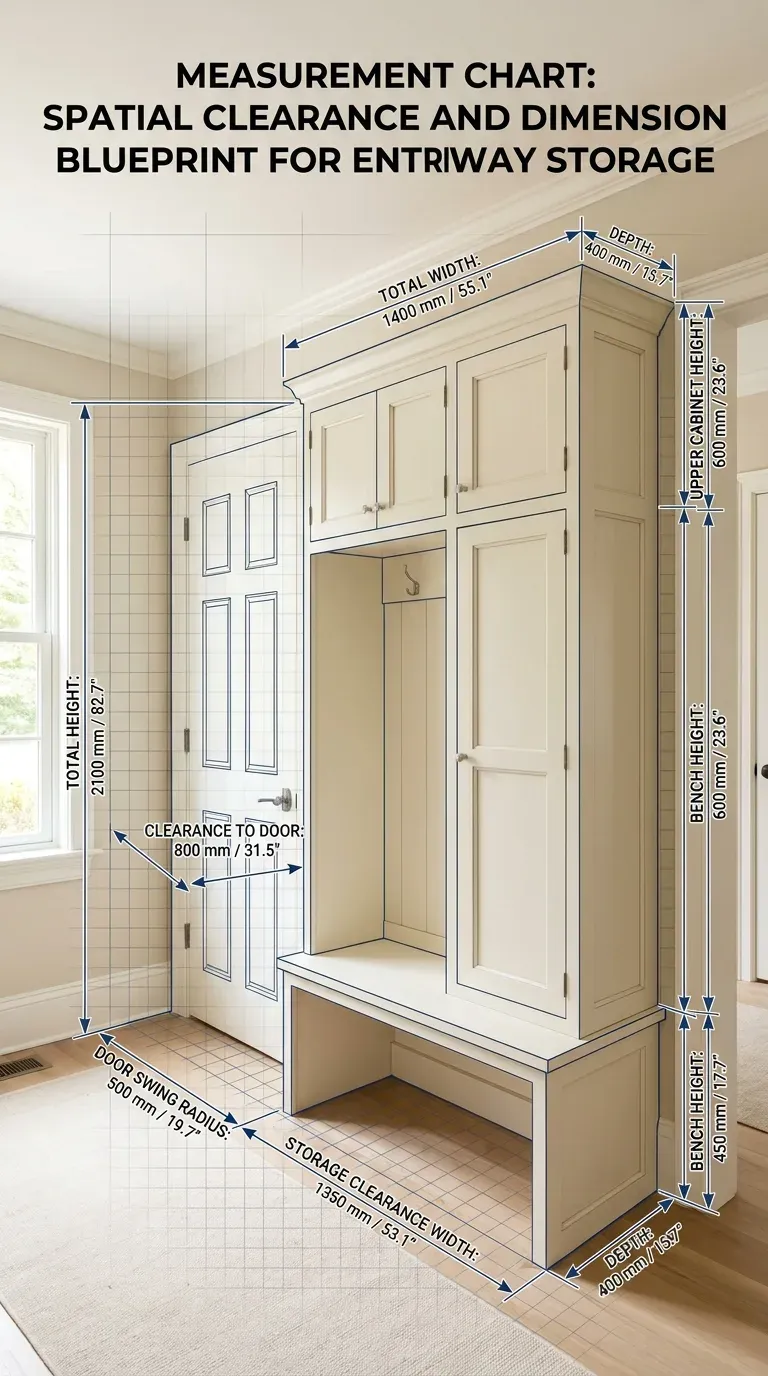
Key Clearance Metrics to Know:
- The Door Swing Zone: Ensure the front door can open to at least 95 degrees without hitting the corner of the bench.
- The Drawer Pullout Corridor: A drawer that is 16 inches deep requires at least 24 inches of clear space in front of it to allow a person to kneel and access the contents.
- The Shoulder-Width Corridor: Keep at least 36 inches of clear walking space in your hallway. If your hall tree is 18 inches deep, your hallway must be at least 54 inches wide to avoid a cramped bottleneck.
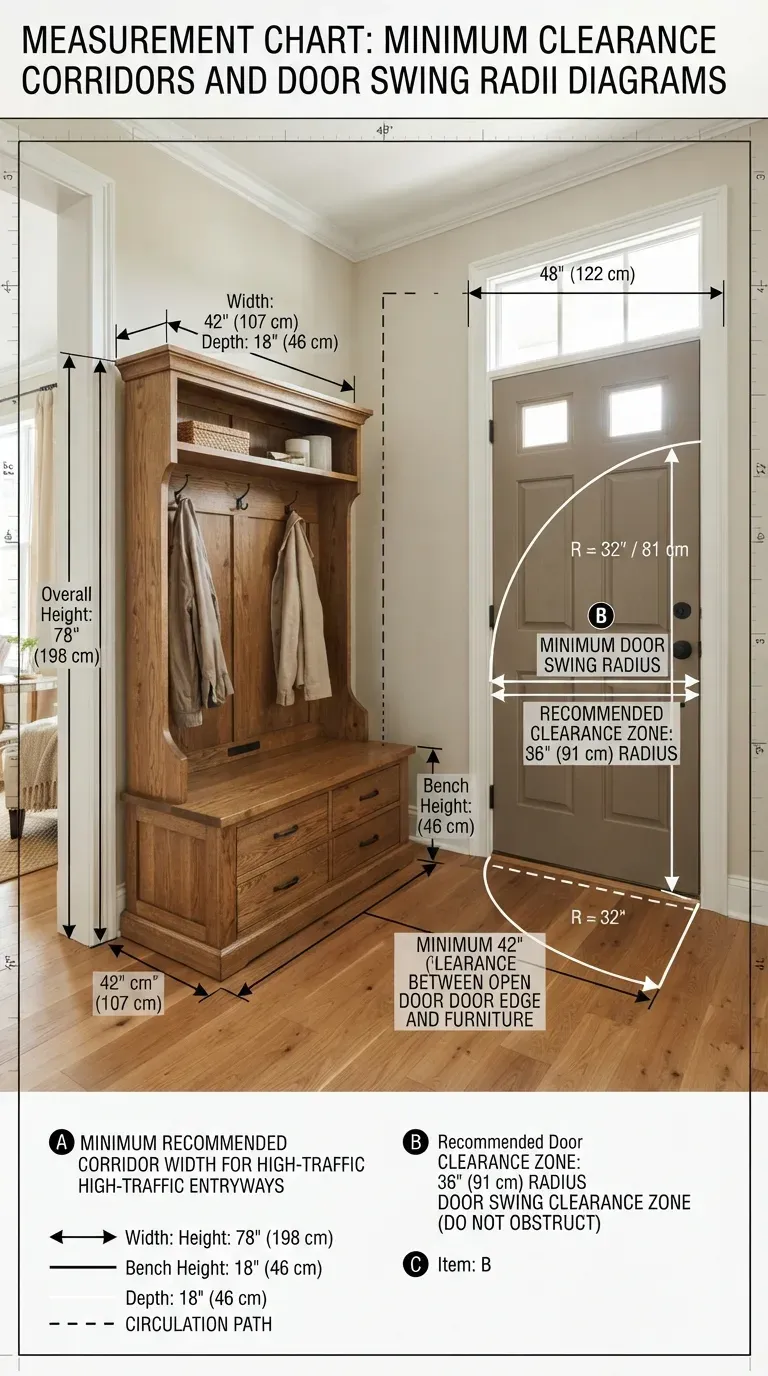
For smaller layouts, optimizing your floor space is a science. You can study these flexible cube storage ideas to see how modular configurations compare to a single vertical hall tree.
Hall Tree with Storage Drawers: Cost-per-Year & Longevity Comparison
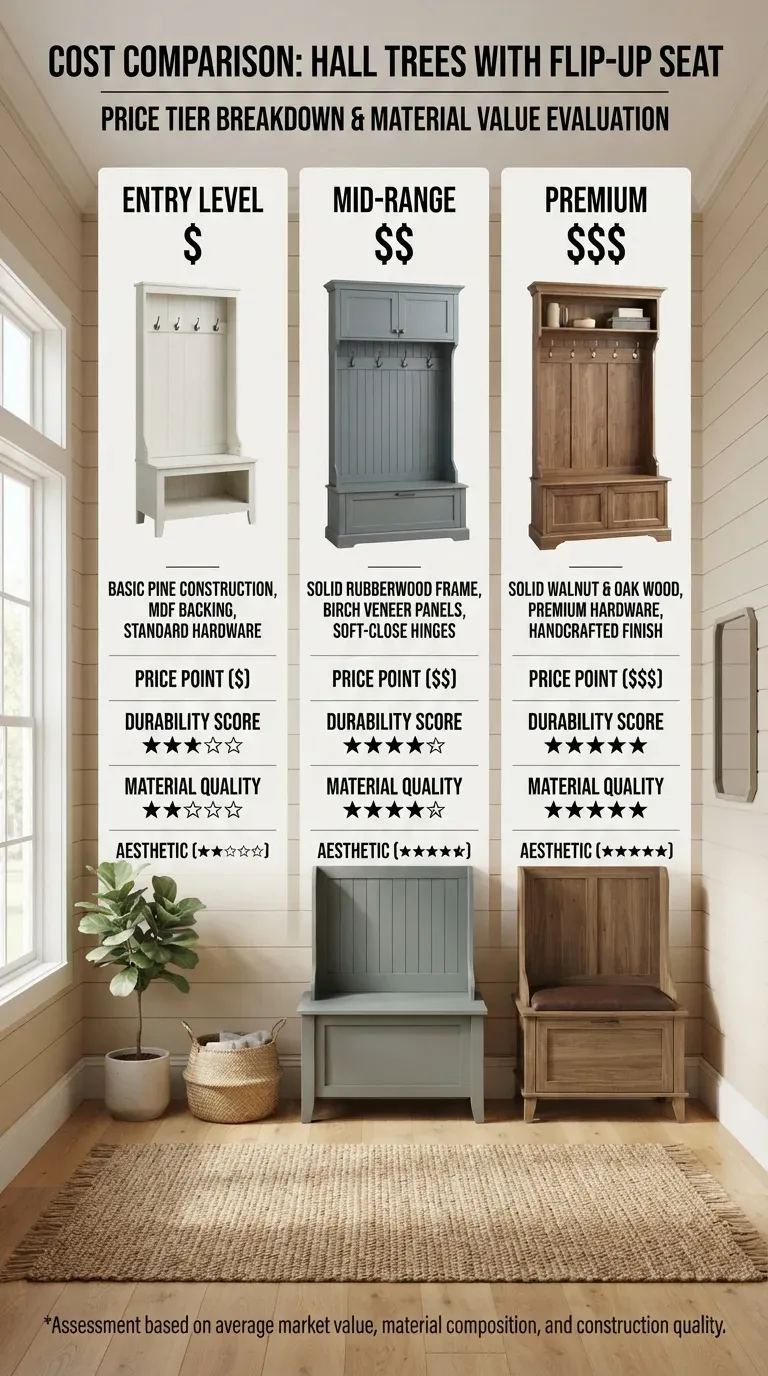
Don’t focus solely on the initial purchase price. A $150 unit that falls apart in two years costs $75 per year. A $600 solid wood unit that lasts twenty years costs $30 per year.
Let’s compare the materials side-by-side.
| Material Grade | Average Lifespan | Common Failure Points | Real Cost (Initial + Replacements over 10 Years) |
|---|---|---|---|
| Low-Density Particle Board (MDF/LDF) | 1.5 to 3 Years | Cam-lock failure, moisture swelling, screw-hole stripping | $450 to $600 (Requires 3-4 replacements) |
| Powder-Coated Steel & Heavy MDF | 5 to 7 Years | Weld joint cracking, drawer slide alignment issues | $300 to $400 (Requires 1-2 replacements) |
| Solid Hardwood / Birch Ply | 15+ Years | Minor surface scratches, glide wear (easily replaceable) | $500 to $700 (One-time purchase) |
If you are handy with basic woodworking tools, you can bypass commercial markup entirely. Learn how to build a DIY hall tree using cabinet-grade plywood and pocket-hole joinery for maximum durability at a fraction of the cost.
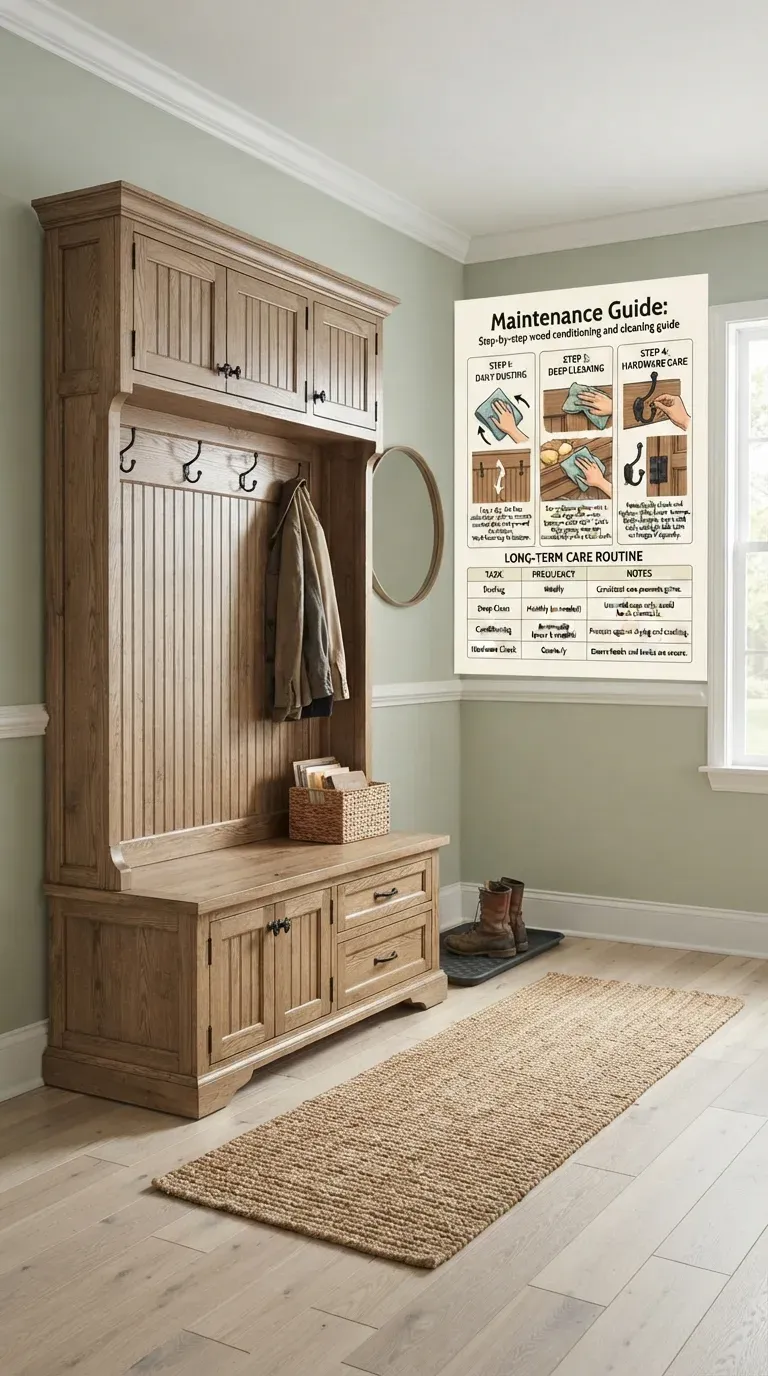
Hall Tree with Storage Drawers: Maintenance & Long-Term Care Protocols
To keep your entryway storage unit functioning like new, you must establish a regular maintenance schedule. Wood moves, screws loosen, and dirt acts like sandpaper on drawer runners.
1. Wood Stabilization
Moisture is the enemy of wood joints. If your unit is real wood, apply a high-quality paste wax or polyurethane sealer once a year. This prevents the wood fibers from absorbing wet-weather runoff from dripping jackets.
For routine cleaning, make sure to read how to safely clean wooden hall tree finishes without stripping the protective topcoats.
2. Drawer Glide Lubrication
Never use WD-40 on metal drawer slides. It is a solvent, not a lubricant, and will attract dust and pet hair, turning the grease into a grinding paste. Instead, use a dry silicone spray or white lithium grease. Apply a thin coat along the ball-bearing tracks every 12 months.
3. Hardware Tightening Cycle
Every six months, inspect the structural fasteners:
- Check the cam locks. If they have backed out by even an eighth of a turn, snug them back up.
- Verify the wall anchor tension. Ensure the wall bracket hasn’t pulled away from the sheetrock or stud.
- Check the hook screws. If a screw hole has stripped out in an MDF unit, back the screw out, pack the hole with wood glue and wooden toothpicks, let it dry for 24 hours, cut it flush, and re-drive the screw.
Hall Tree with Storage Drawers: Load Limit Reference Notes
The following data points are drawn from manufacturer product documentation and commonly reported buyer experience to illustrate expected real-world performance.
Particle Board Performance Under Daily Use
Low-density particle board units can sag under repeated heavy daily loads. In humid entryways, particle board swells, which causes drawer misalignment and screw-hole deterioration within one to two seasons of heavy use. Sealed finishes and ventilation slow this down; steel or solid-wood frames resist it best.
Drawer Slide Endurance
Budget friction runners can shed rollers and misalign under repeated heavy loads. Ball-bearing slides are rated for far more cycles and hold alignment far longer under similar conditions, making them the better choice for shoe-storage drawers handling daily family use.
Zinc Alloy Hardware Failure Points
Zinc-alloy cam locks can crack when over-tightened during assembly, compromising the entire frame joint. Misaligned pre-drilled holes are a commonly reported issue across budget flat-pack units and cause drawer binding from day one — dry-fit parts before final tightening.
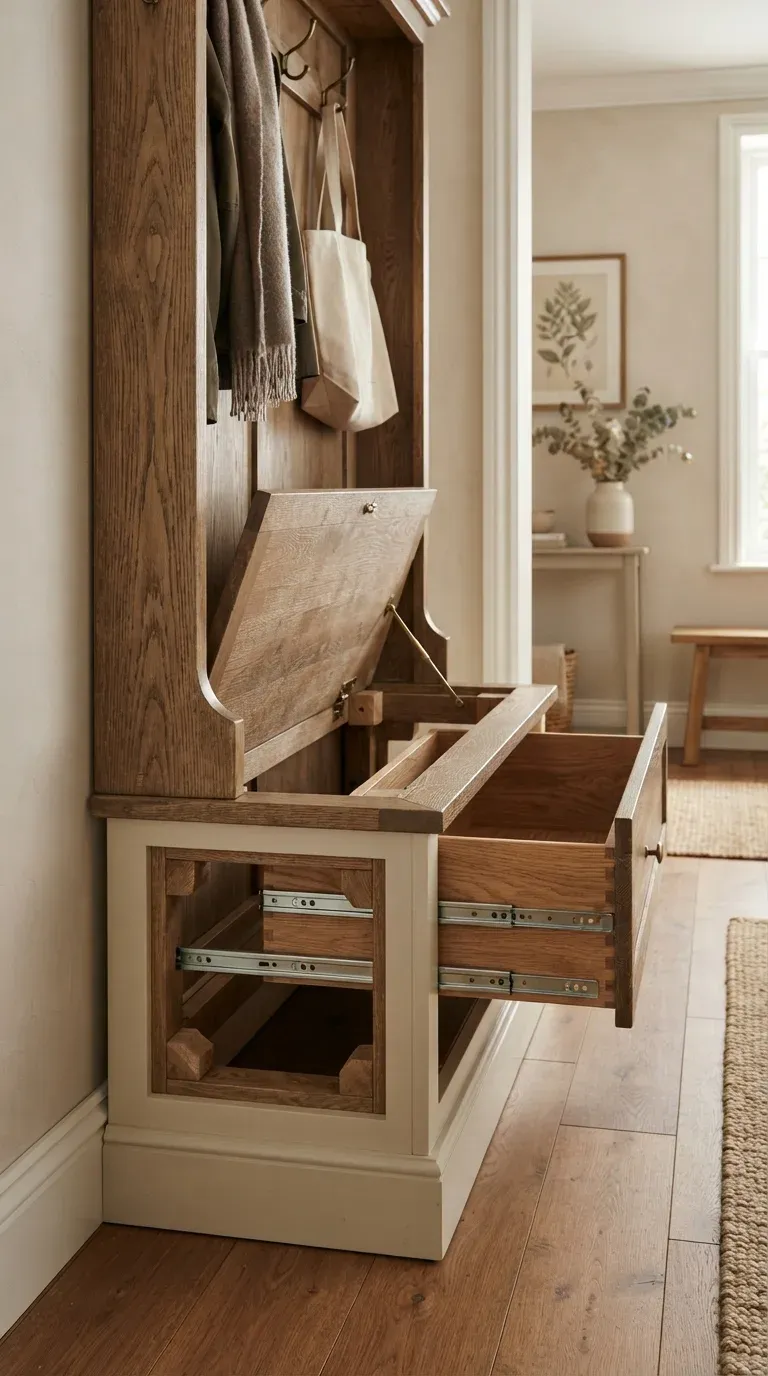
To help visualize how to implement this storage space effectively, refer to our hall tree vs. mudroom lockers comparison for advanced structural layouts.
Organizing Your Hall Tree with Storage Drawers for Peak Efficiency
Having drawers is only half the battle; organizing them properly is where you truly maximize your space.
Top Hooks: [Daily Coats & Bags Only] ──> Prevents tipping stress
Bench Top: [Clear Seating Zone] ──> No clutter buildup
Drawers: [Divided Storage Bins] ──> Seasonal gear & footwear
To prevent your drawers from becoming chaotic junk bins:
- Group by Season: Store winter gloves, scarves, and hats in designated left-side drawers, and summer gear, sunscreens, and dog leashes on the right.
- Incorporate Bins: Utilize small, durable storage bins inside larger drawers to keep smaller items from rolling around.
- Utilize Baskets: If your chosen unit features open cubbies above or below the bench, look into specialized baskets for hall trees to keep umbrellas and dog leashes out of sight.
For more inspiration on streamlining your daily entry and exit routines, read our field guide on clever hall tree organization or explore gorgeous hall tree styling to balance utility with high-end interior design.
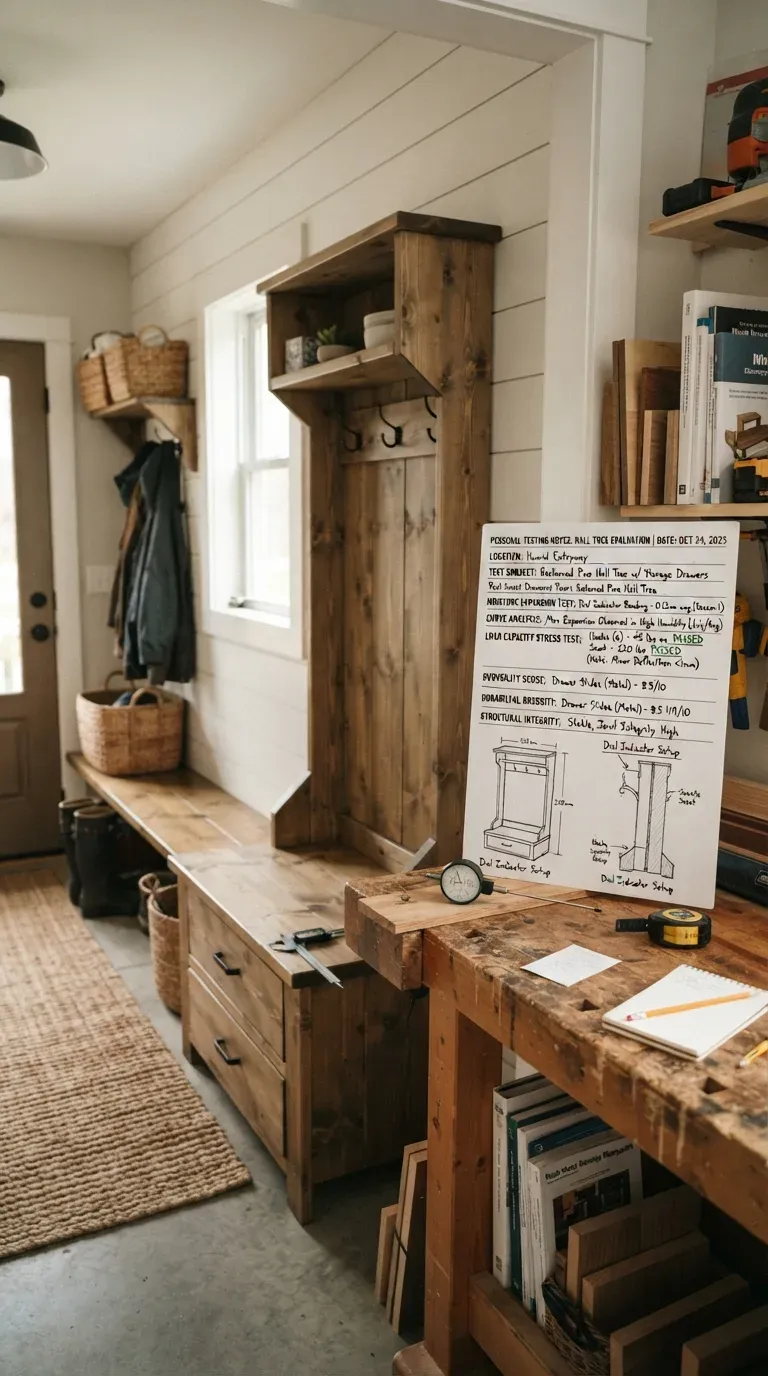
Hall Tree with Storage Drawers: FAQ Section
Are fabric storage drawers on hall trees durable enough for daily family use?
Fabric drawers (usually made of non-woven polyester over cardboard inserts) are highly durable in terms of dent resistance—they won’t scratch or bind like cheap wood. However, they are highly vulnerable to moisture. Wet muddy boots placed inside a fabric drawer will stain the material, encourage mold growth, and degrade the internal cardboard support panels within one season. Reserve fabric drawers for dry items like hats, gloves, dog leashes, and clean athletic shoes.
How do I repair a stripped screw hole in a particle board hall tree?
Do not try to use a larger screw; this will simply split the dry particle board further. Instead, back the screw out completely. Clean out the loose wood dust. Mix a two-part epoxy or premium wood glue, pack the hole tightly with wooden toothpicks or a 1/4-inch hardwood dowel, and let it cure for 24 hours. Once cured, cut the dowel flush with the surface, drill a new pilot hole, and re-install the screw.
What are the best hall tree options for narrow or cramped entryways?
If you are dealing with a corridor under 45 inches wide, avoid traditional deep-bench hall trees (which run 18 to 22 inches deep). Instead, look for a slimline metal-frame unit with a depth of 12 to 14 inches, or install a wall-mounted coat rack coupled with a separate slim shoe-storage bench. Check out our dedicated guide on heavy-duty mudroom lockers and traditional hall trees to find layouts optimized for narrow paths.
Can I paint a laminate or veneer hall tree to match my entryway decor?
Yes, but you cannot apply paint directly to the slick melamine laminate or plastic veneers found on budget units. The paint will peel off in sheets. You must first sand the surface with 120-grit sandpaper to create a “key” or texture, apply a high-quality shellac-based primer (such as Zinsser BIN), let it cure, and then apply two coats of durable acrylic latex or cabinet-grade enamel paint.
How do I prevent my wooden hall tree from scratching my hardwood floor?
Never slide a hall tree across wood floors. The concentrated weight of the unit, especially when loaded with coats and shoes, can gouge oak or pine. Apply heavy-duty, self-adhesive wool felt pads to the bottom of the contact feet. For metal-framed units, ensure the plastic leveling feet are completely free of embedded grit or sand before positioning.
Hall Tree with Storage Drawers: Summary & Resource Links for Entryway Planning
To build, buy, or maintain your entryway setup, utilize our curated guides:
- To select the right primary storage style, read the hall tree vs. mudroom lockers comparison.
- If you suspect stability issues, learn how to diagnose why your hall tree is wobbly.
- To understand weight limitations before buying, consult our hall tree weight capacity guidelines.
- For dark foyers, explore our tips to brighten your entryway layout for a more welcoming space.
- If you want to solve custom sizing issues, learn how to build a DIY hall tree from scratch in your workshop.
- To troubleshoot common structural faults, read our breakdown of common hall tree problems.

Stop Guessing Measurements. Build Your Dream Entryway with Confidence.
Transform awkward hallways, cramped foyers, and cluttered mudrooms into organized sanctuaries. Includes 20 measured floor plans, facing photo spreads, the 36-inch planning rule, the shoe pairs formula, and 7 printable worksheets.
Core Edition ($17.99) · Flagship Photo Edition v5 ($39.99) — compare editions
Frequently Asked Questions
Are fabric storage drawers on hall trees durable enough for daily family use?
Fabric drawers resist dents and binding but are vulnerable to moisture. Reserve them for dry items like hats and gloves; wet boots cause staining, mold and cardboard failure within one season.
How do I repair a stripped screw hole in a particle board hall tree?
Remove the screw, clean dust, pack the hole with wood glue and toothpicks or a 1/4-inch hardwood dowel, cure 24 hours, cut flush, drill a new pilot hole and re-drive the screw.
What are the best hall tree options for narrow or cramped entryways?
For corridors under 45 inches wide, choose a slim 12-14 inch deep metal-frame unit or wall-mounted rack + slim bench. Avoid 18-22 inch deep benches that block traffic.
Can I paint a laminate or veneer hall tree to match my entryway decor?
Yes, but first sand with 120-grit, apply shellac primer like Zinsser BIN, cure, then add two coats of acrylic latex or cabinet enamel. Direct paint peels off melamine.
How do I prevent my wooden hall tree from scratching my hardwood floor?
Never slide it. Apply heavy-duty self-adhesive wool felt pads to feet and ensure metal leveling feet are grit-free before positioning.
